Final 10 from Ha Giang

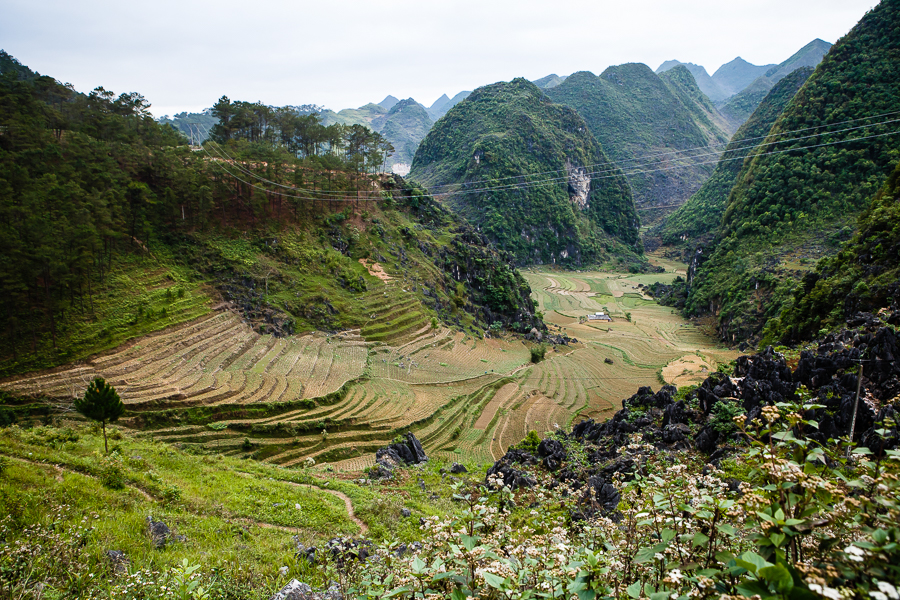
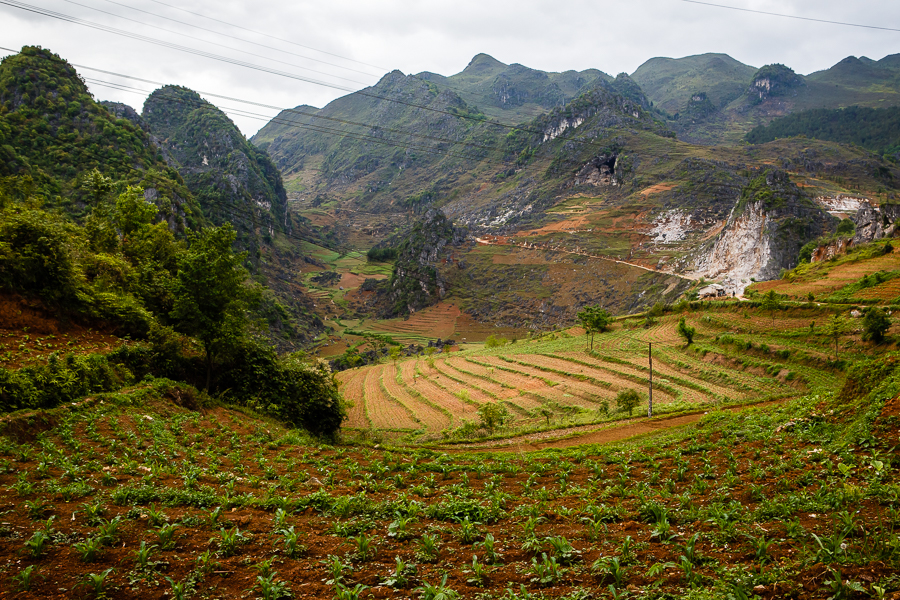
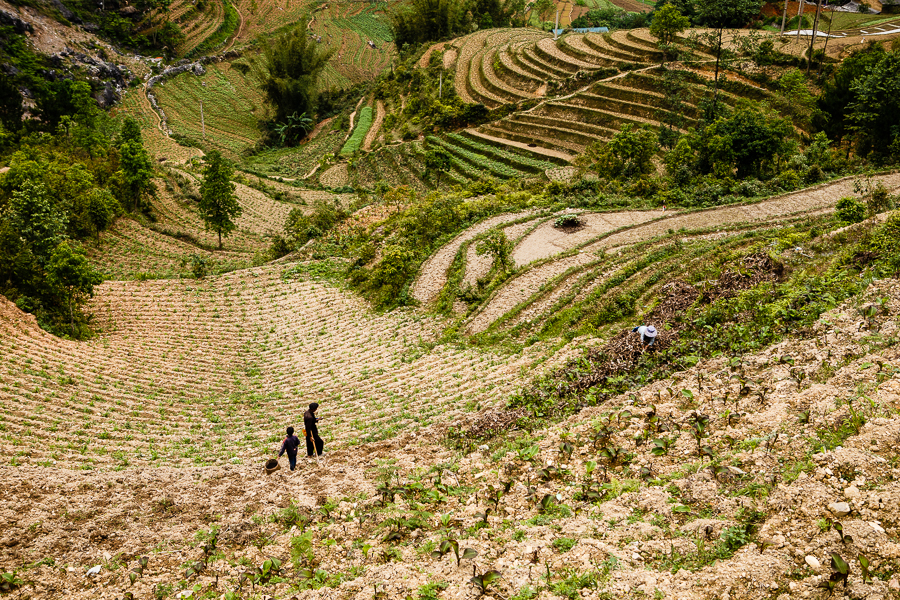
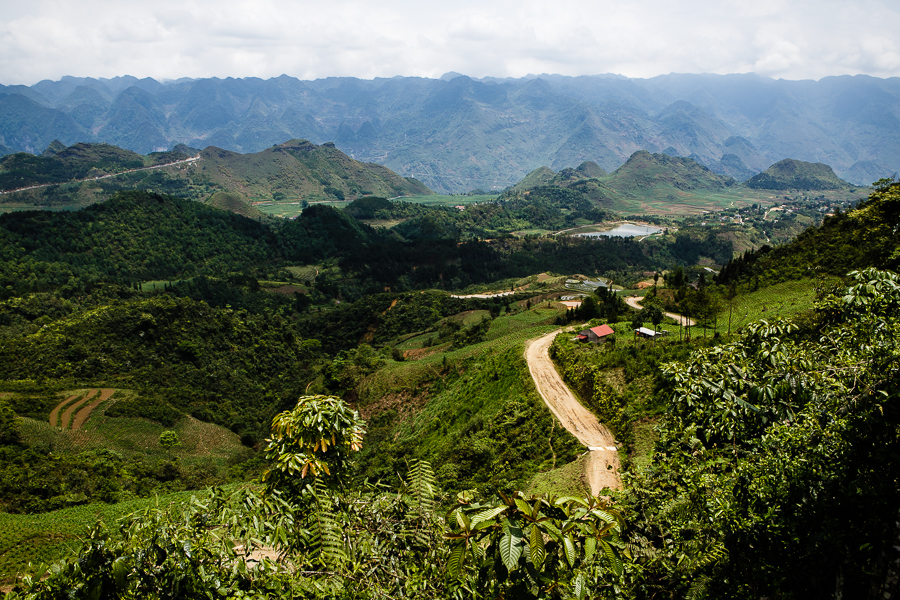
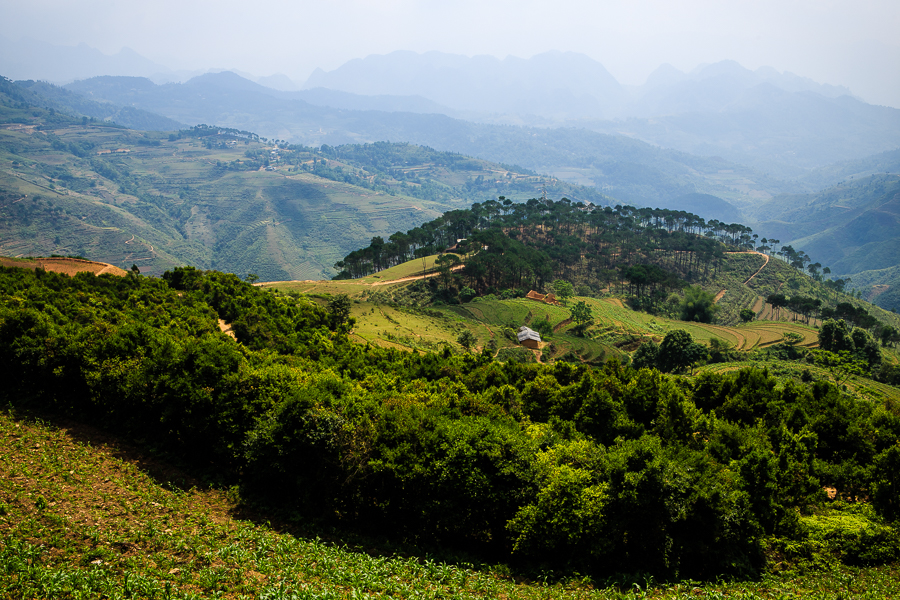
This is my final set of landscape pictures from my April / May trip to Ha Giang province in northern Vietnam; these were all taken on the road from Meo Vac to Yen Minh.
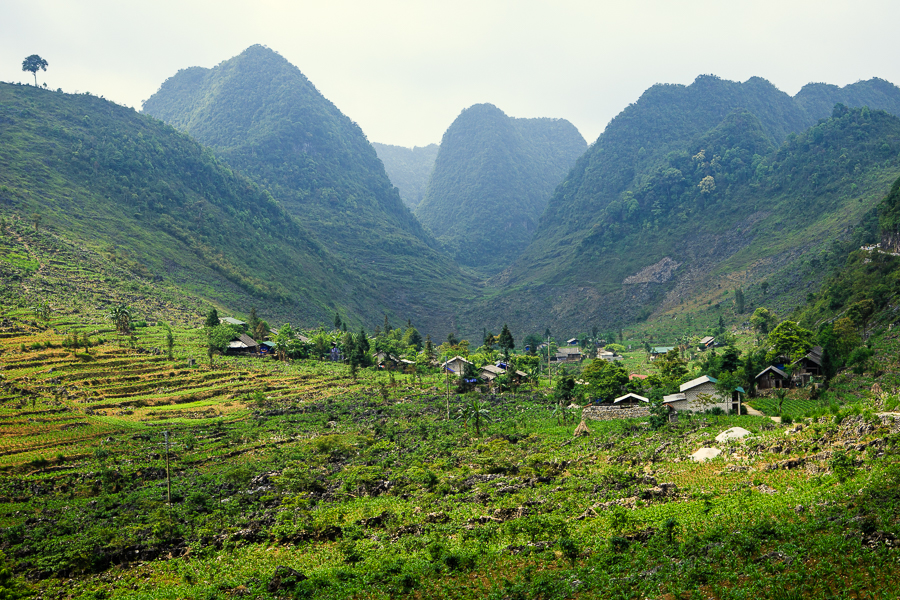

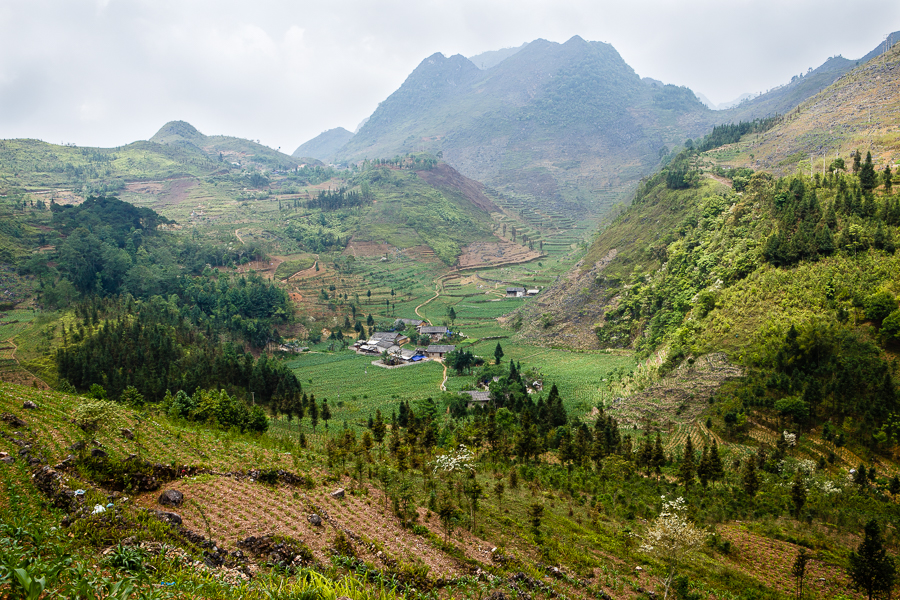
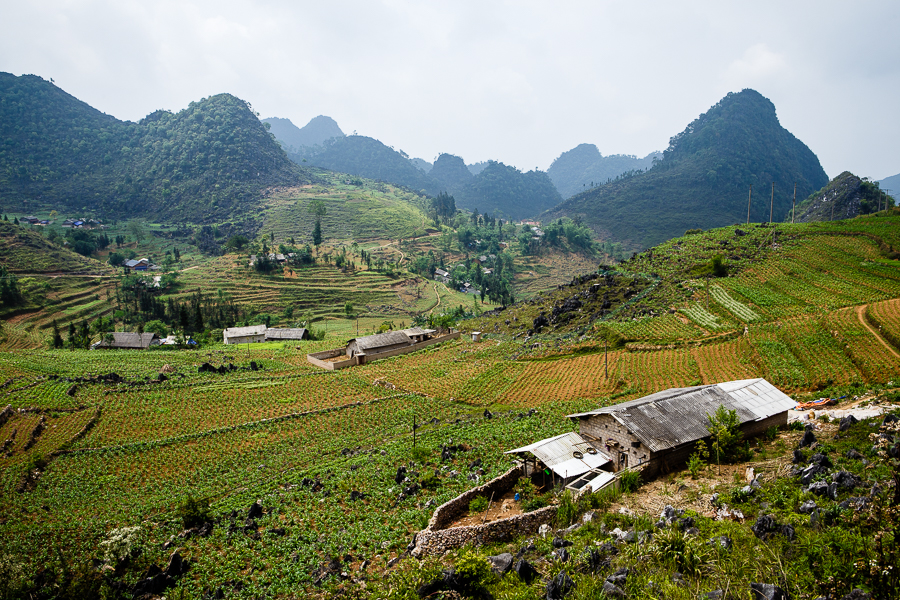


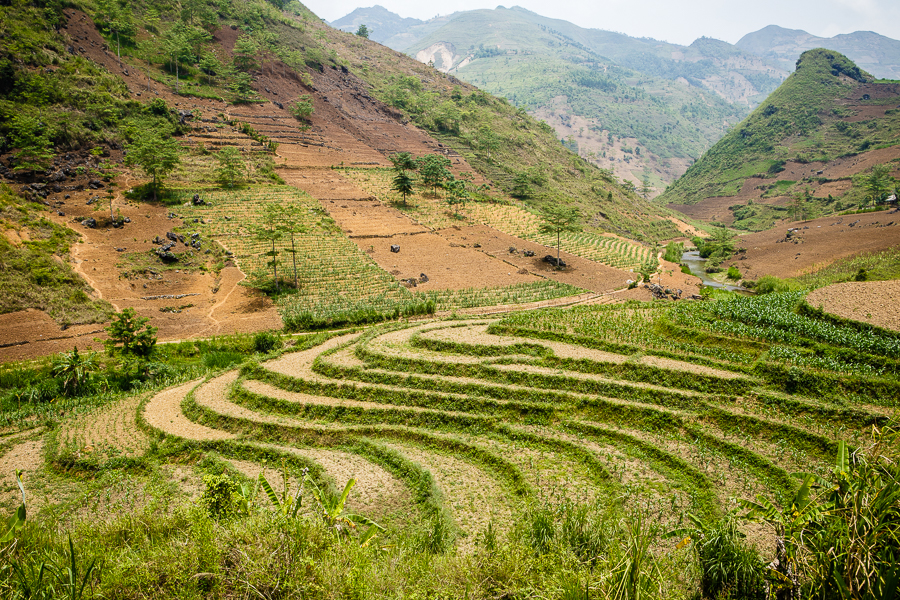
This is my final set of landscape pictures from my April / May trip to Ha Giang province in northern Vietnam; these were all taken on the road from Meo Vac to Yen Minh.

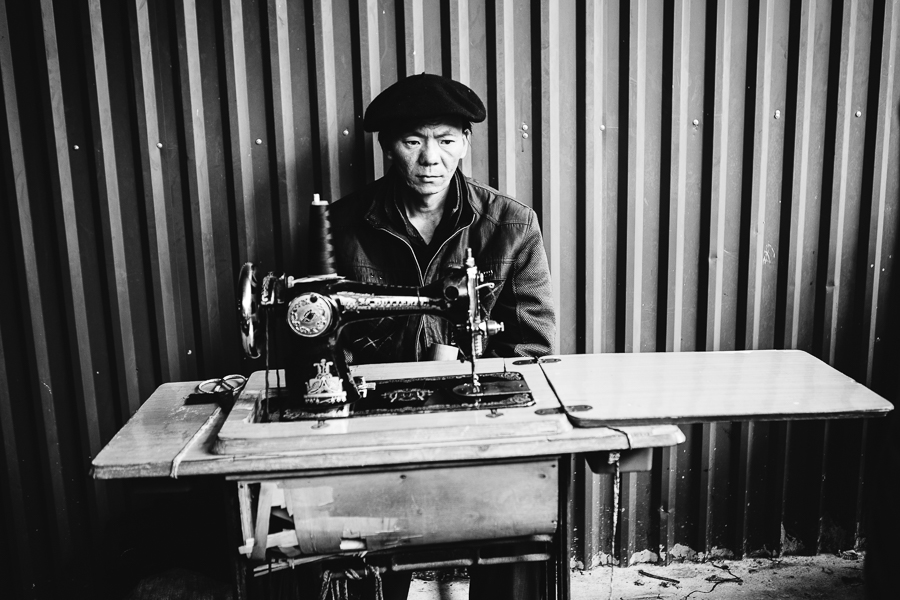
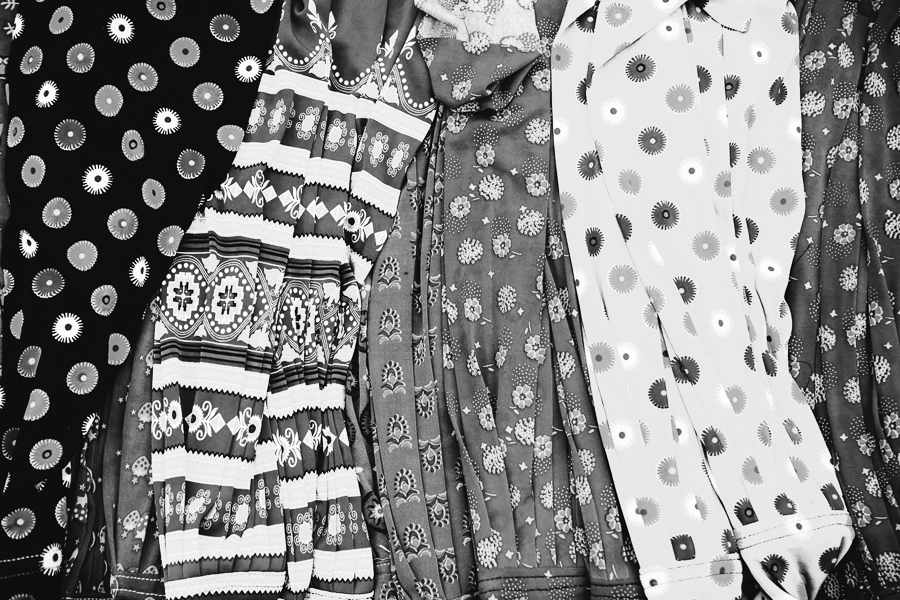
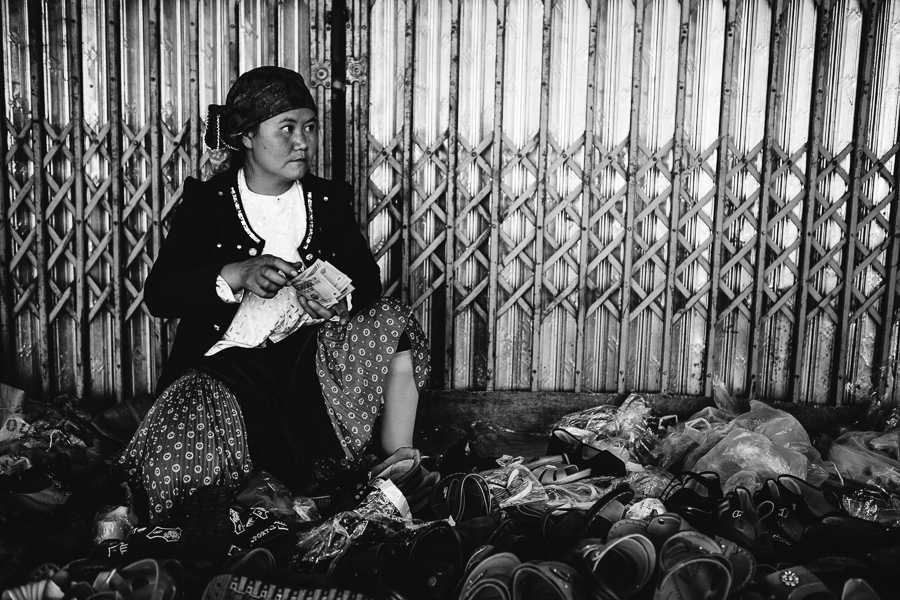
This final set of pictures from Meo Vac market focuses on another aspect of this hectic, sprawling weekly gathering in the mountains of northern Vietnam: clothes and shoes. Just inside the covered area of the market, seamstresses and seamsters (if that’s a word) hunched over old pedal-operated sewing machines, making clothes to order from material bought at stalls nearby. Elsewhere, shoppers haggled over traditional skirts, knock-off jeans and plastic shoes.


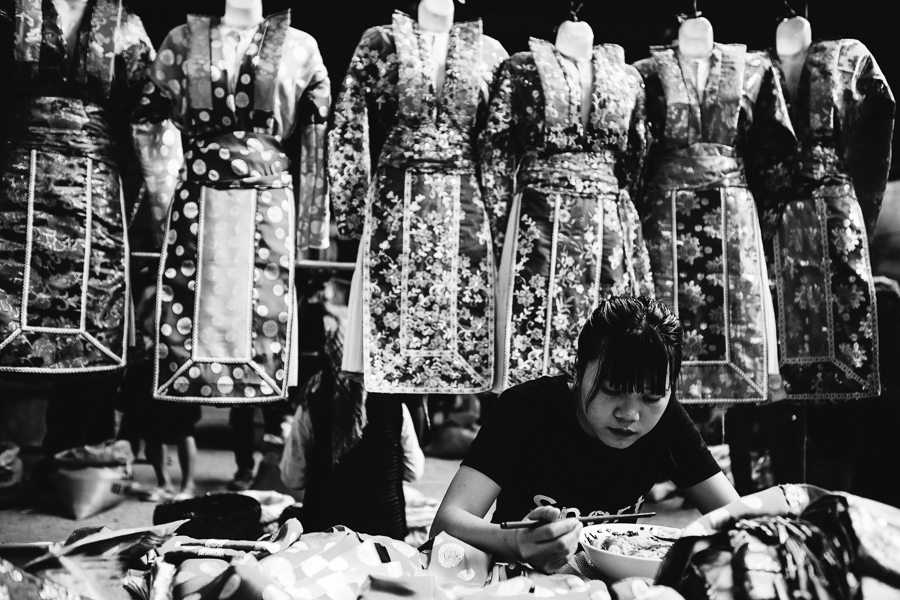





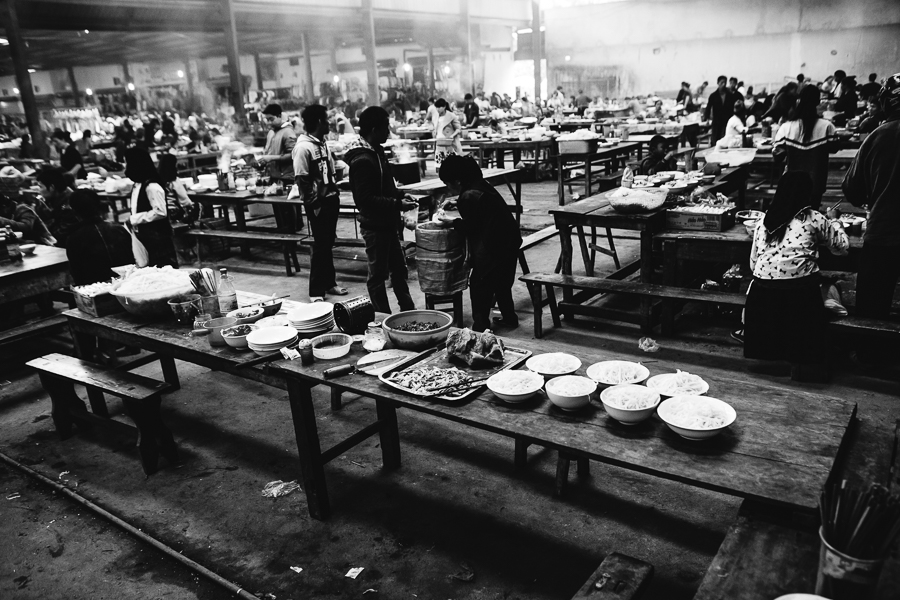
While cows and pigs are being traded outside under the early morning sun, the inside area of Meo Vac market is full of activity of a different kind. As I mentioned in my previous post, the Sunday market gets going very early in the morning; this means that there are hundreds of people all needing breakfast. The centre of the market is a huge covered area, much of it taken up by dozens of kitchens where traders and customers take a break from market business to enjoy a bowl of noodles.


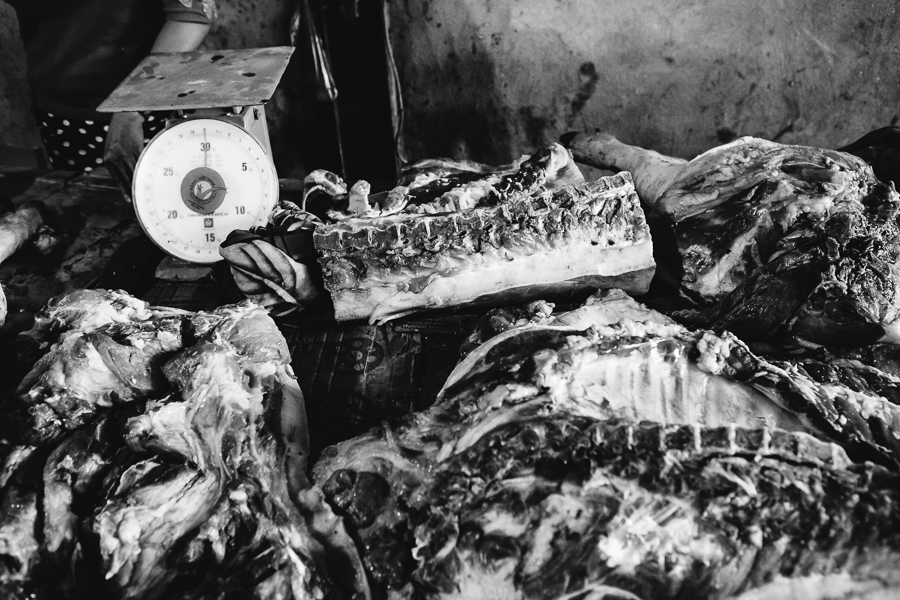
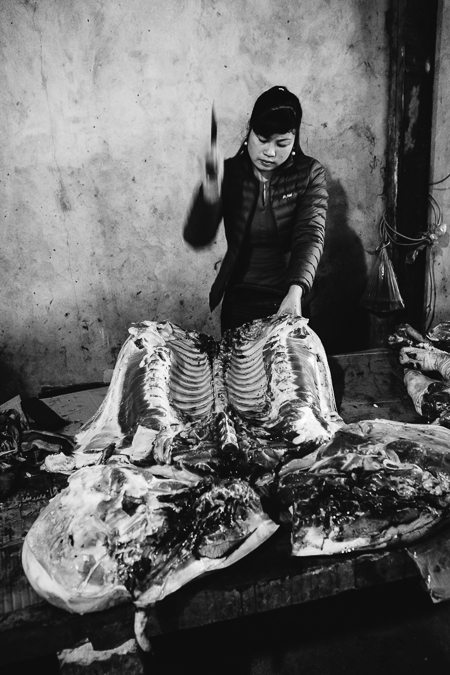
While live animals are bought and sold outside, there is freshly butchered meat available inside.



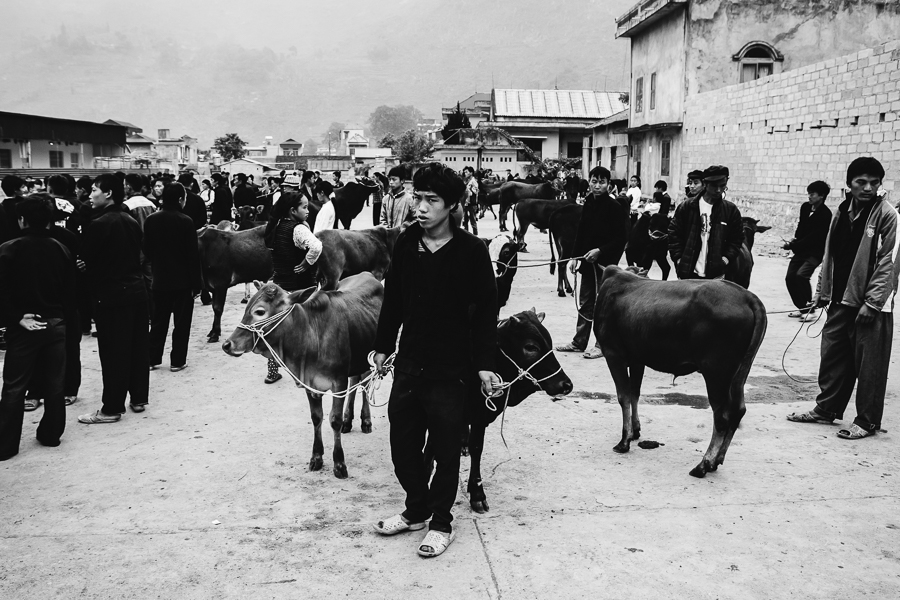
One of the things I most wanted to do on this last trip to Ha Giang was to visit the Sunday morning market in Meo Vac. I planned the whole trip so that I would reach Meo Vac on a Saturday afternoon, and be ready for an early start the next day. Even though I got to the market before six, it was already busy, as numerous villagers arrived in town, some by truck, some by motorbike and some on foot, but all with goods to sell.
There are countless regular markets throughout the province. Some are weekly while some, confusingly, are held every six days. Some are in large-ish towns like Meo Vac or Dong Van, some in tiny villages. These markets are an essential part of life in Ha Giang. They’re where town and country meet, as farmers from different villages and ethnic groups gather together to trade with each other and the people of the towns. It’s not all business of course – the market has an important social function, and there was plenty of gossiping, flirting and boozing going on too.
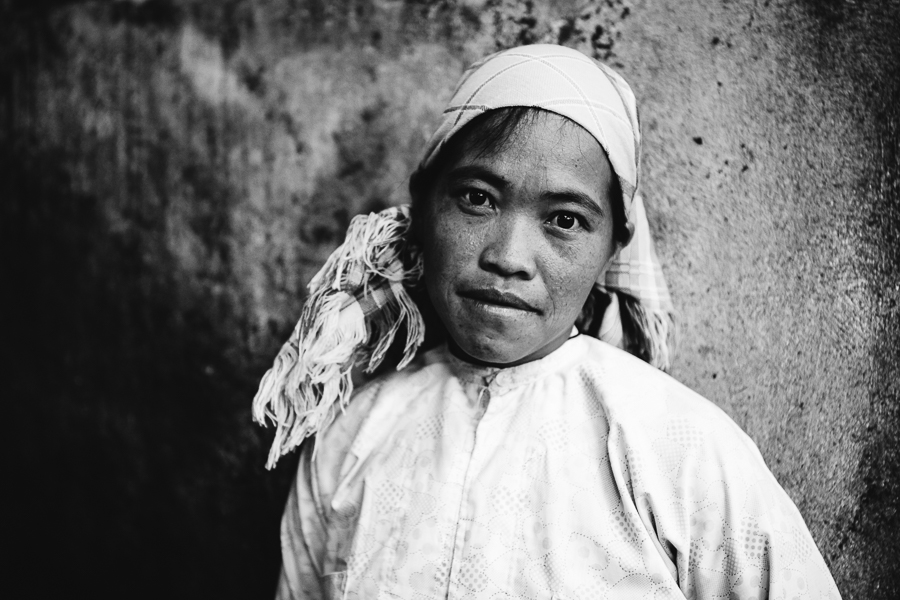
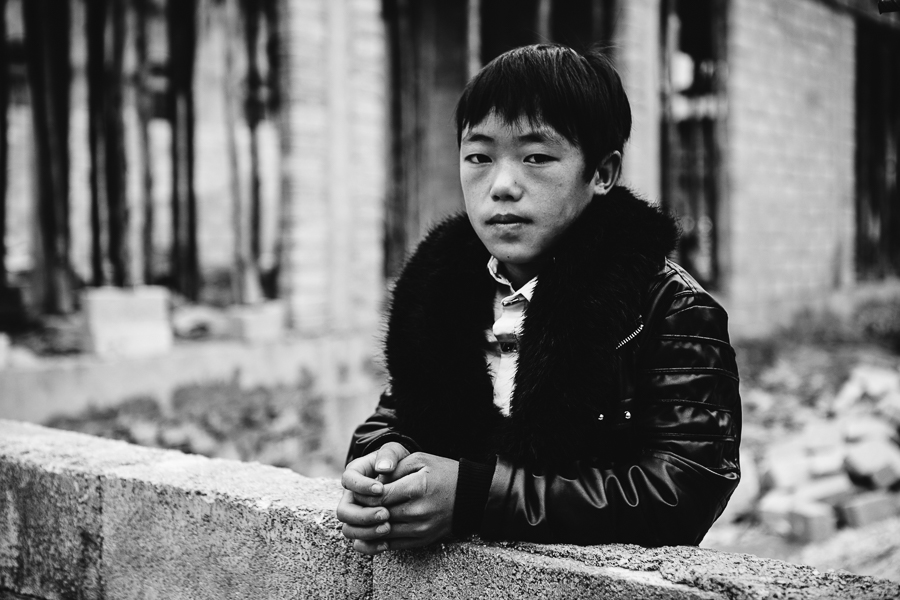
This market was chaotic, crowded, smelly, utterly engrossing and a little overwhelming. In photography terms, it was a complete change of pace from the preceding few days, when I’d been mainly photographing landscapes. Suddenly, I was surrounded by people and animals, by rapid movement and fleeting moments. There were potential pictures everywhere, and there were times when it was difficult to know where to turn. For the most part, the market people were far too busy going about their business to concern themselves with the tall, clumsy photographer in their midst. I decided to shoot in more of a documentary style – mostly up close with wide angles, observing and recording rather than interacting, though I did occasionally engage with people for a few of my customary portraits.
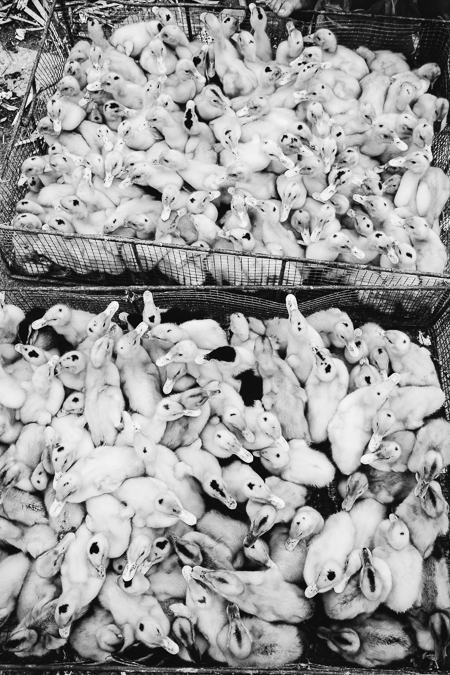
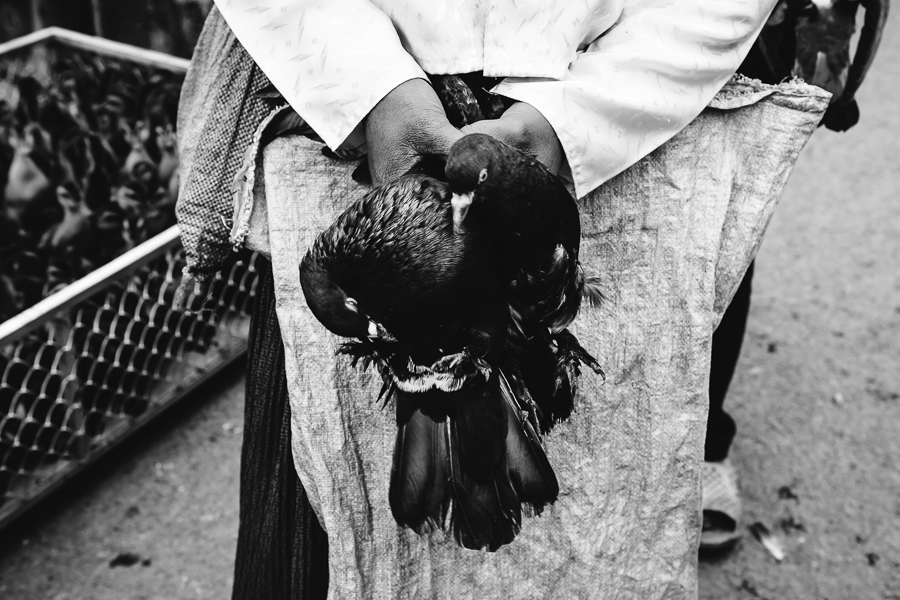
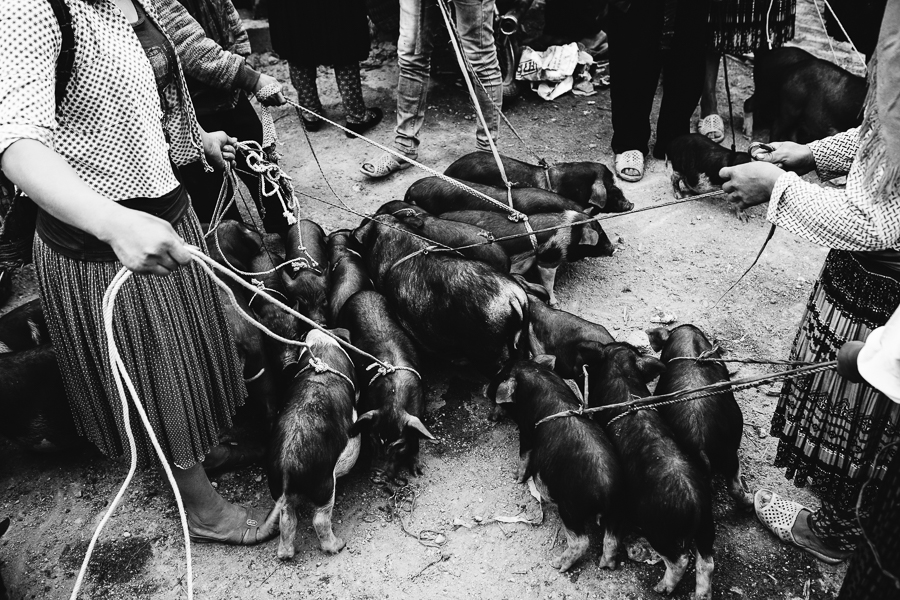
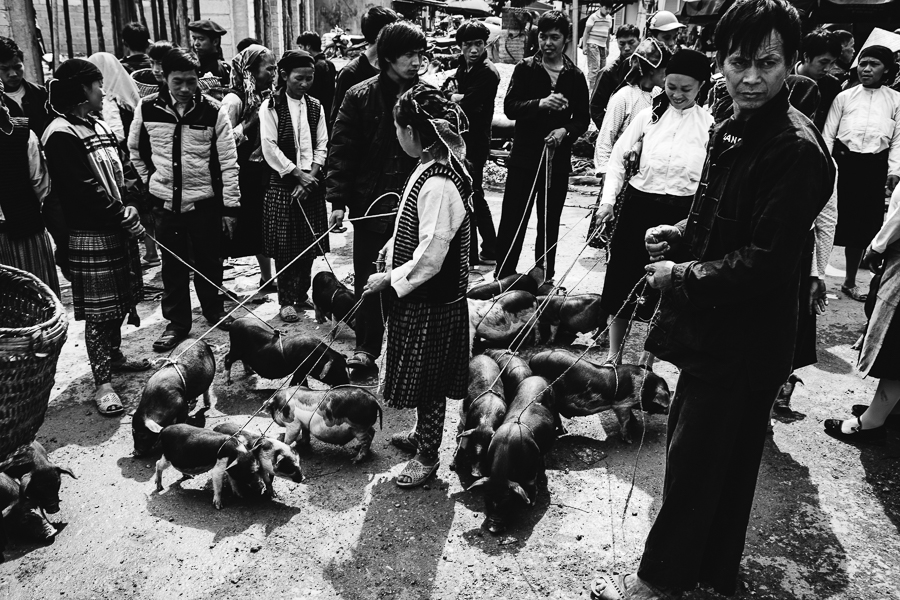
Meo Vac market is mainly known as a livestock market, and there were plenty of worried looking cows, pigs and chickens changing hands. There was a lot more going on besides – with meat, fabric, clothes, shoes, household goods, moonshine, and all sorts of other things also being bought and sold – but all that will have to wait until a later post, as this series is all about the animals.









It’s only about 25km from Dong Van to Meo Vac, but if you’re like me it can take hours to drive, because you have to keep stopping to take more photographs. This stretch of road, the Ma Pi Leng pass, is widely considered the most awe-inspiring in northern Vietnam, and that’s against some pretty stiff competition. I promised myself that I would drive past the merely beautiful and only stop for the breathtaking, but I still seemed to be stopping the bike every couple of minutes to take pictures.
It was difficult to get the balance right on this trip. Obviously, I wanted to come back from Ha Giang with photographs I could be proud of, but I also wanted to enjoy the experience of simply being there. It’s all too easy to see everything through a lens, to spend too much time thinking about photography and not appreciate the experience while it’s actually happening. There’s a time for stopping to take pictures, and a time for savouring the thrill of motorbiking through these wonderfully twisty mountain roads.
I was definitely guilty of over-shooting on this trip – I came back with lots of very similar photographs. It’s a habit I’ve got into as a result of taking a lot of portraits, I think. When photographing people, I’ll often take many shots of the same person, shooting from different angles, trying to capture different expressions and gestures before the moment is lost. A landscape isn’t going to go anywhere or change the look on its face, so I could probably have adopted a slower, more considered approach. Changes in the light and weather can of course have an effect on the look of a landscape picture, but these tend to happen slowly, not like the fleeting looks that pass across a person’s face. On this drive along the Ma Pi Leng pass, there were many changes on the weather, the clouds falling like a frown, before the sun broke through like a smile.
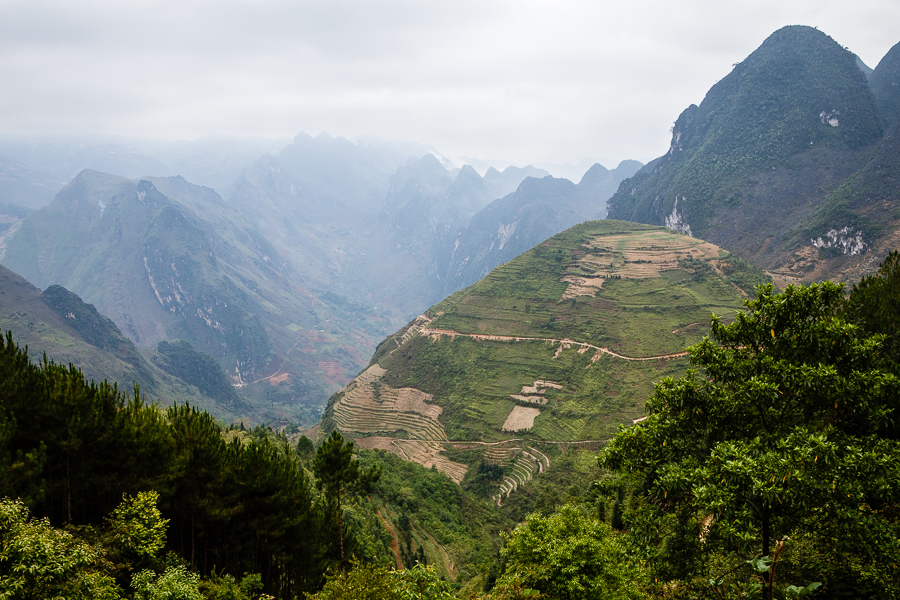


Driving from Yen Minh to Dong Van, a distance of about 50km, you find yourself surrounded by a landscape that is harsher and rockier than the farmland around Ha Giang City and Tam Son. There’s great variety to the surroundings in this part of northern Vietnam – steep, barren hillsides abruptly give way to green valley floors.
Despite the rough terrain, there is still plenty of agricultural land in this area. When I visited in late April / early May, some of the rice terraces were green and flooded, while some were newly planted, so were dry, brown and earthy.
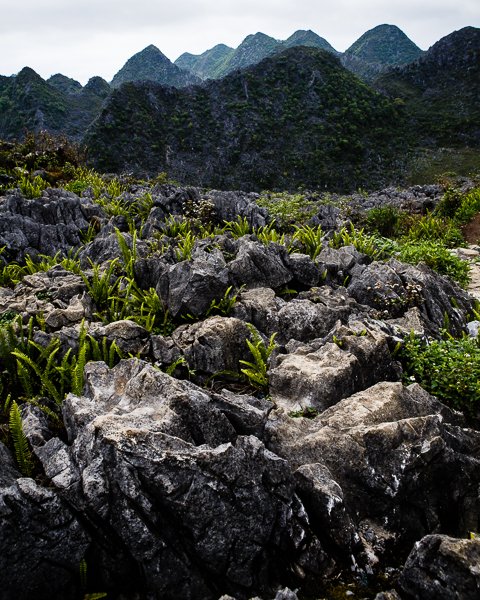
At the highest point of the journey, before the descent into Dong Van town, the landscape becomes more jagged and inhospitable, but no less beautiful, as dark volcanic rock looms over the road and countless limestone karsts recede into the distance.



From Dong Van, many visitors make the trip up to Lung Cu. Sometimes referred to as Vietnam’s north pole, this is the northernmost part of the north. Roadside signs remind drivers that they are in the “frontier area” between Vietnam and China. Lung Cu’s flag tower, a popular destination for domestic tourists, provides almost aerial views of the surrounding countryside. The road to Lung Cu passes throuth a few other small villages, such as Ma Le, as well as some isolated single dwellings, clinging to the hillside in improbable places.


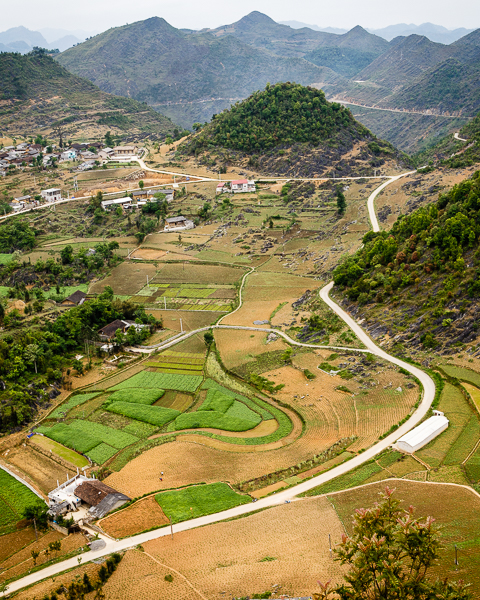


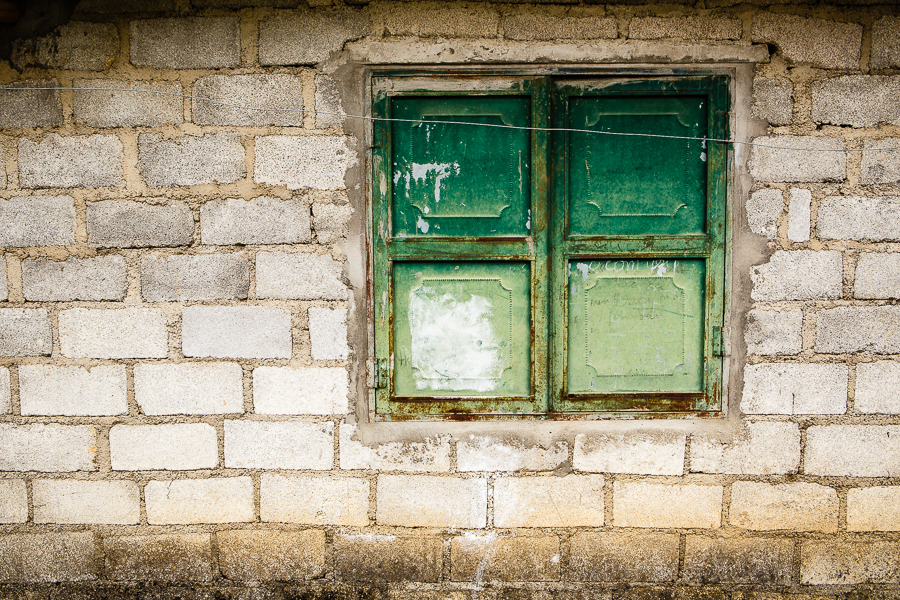


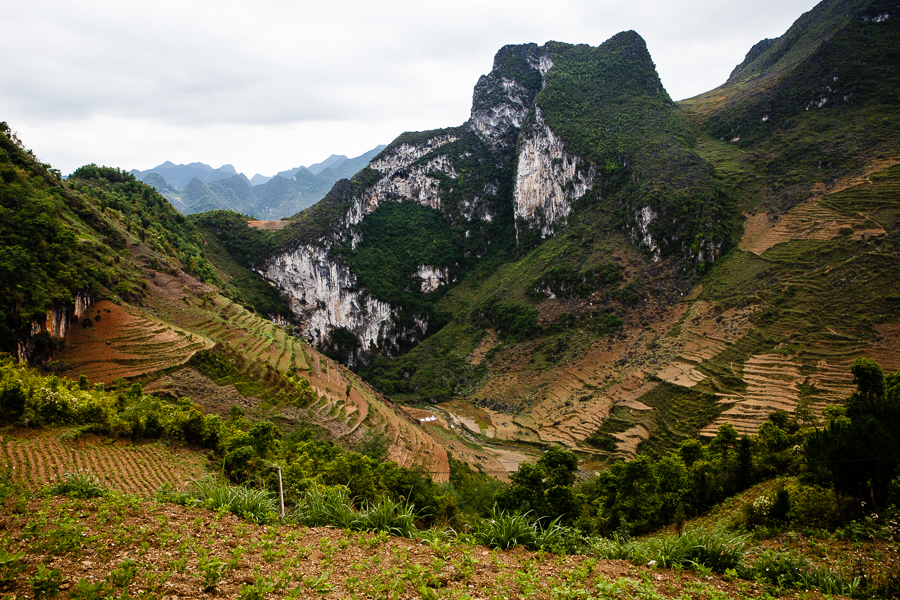
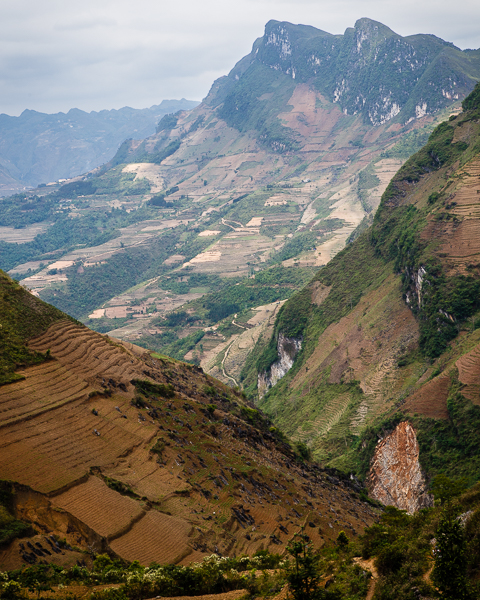
These last two pictures are of the same scene but taken at different focal lengths. I wouldn’t normally post two such similar pictures, but I just can’t decide which one I prefer.

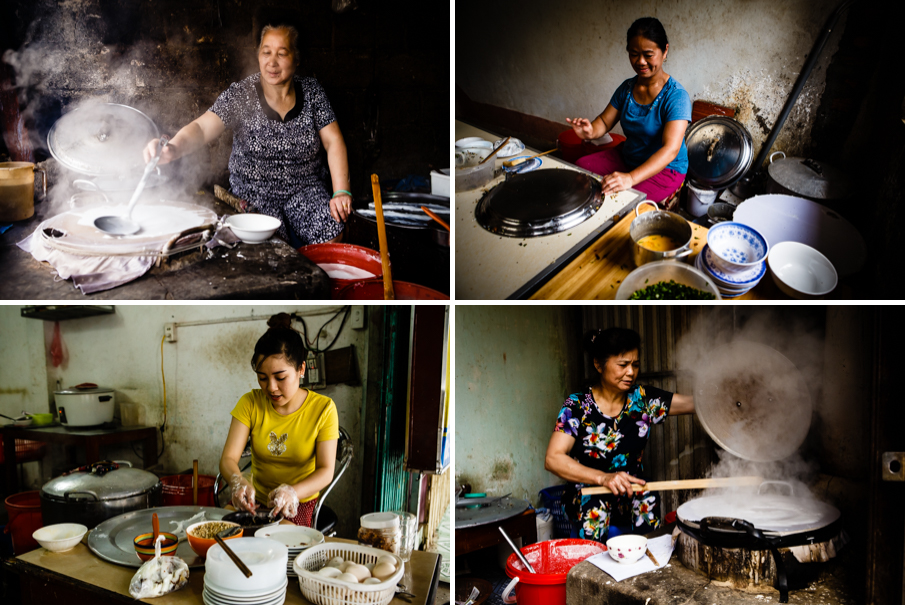 This is my quick photographic tribute to the splendid banh cuon ladies of Ha Giang province. These four women provided me with breakfast in (clockwise from top left) Meo Vac, Dong Van, Yen Minh and Ha Giang City.
Banh cuon (apologies for the lack of the proper Vietnamese tone markings) is a popular breakfast / lunch dish in the north of Vietnam. Rolled rice noodles are filled with minced pork and mushrooms, and served with a vinegary fish sauce broth and Vietamese sausage (cha). It’s easy to find in Hanoi, but for some reason I rarely eat it there, tending to go for pho, bun cha or xoi for lunch. But up in Ha Giang, I had banh cuon for breakfast nearly every day. As well as providing great food, these tiny, dim, steamy eateries are good places to kickstart a day’s photography.

A few weeks ago, I made my second visit to Ha Giang, the mountainous province in the far north of Vietnam, and spent a fantastic few days motorbiking through the region’s spectacular scenery. This was a slightly longer version of the trip I made in November; I wanted to give myself plenty of time for numerous photography stops, and to enjoy the drive without rushing.
The pictures in this post were taken on the first and last legs of the trip, between Ha Giang City and Yen Minh, taking in Quan Ba district and the mountain pass known as Heaven’s Gate. On my first trip, this whole stretch was obscured by clouds and rain, but fortunately the spring weather was much kinder, and I was able to see – and photograph – a lot more this time round. The green valleys and rice terraces of this part of the region are punctuated by limestone karsts, bizarre conical rocky growths that wouldn’t look out of place in a Lord of the Rings film, while towns and villages huddle in the plateaus and cling to the hillsides.
More pictures from Ha Giang coming soon.

View of Tam Son town and the mountains known as the ‘Fairy Bosom’


A good spot for a selfie


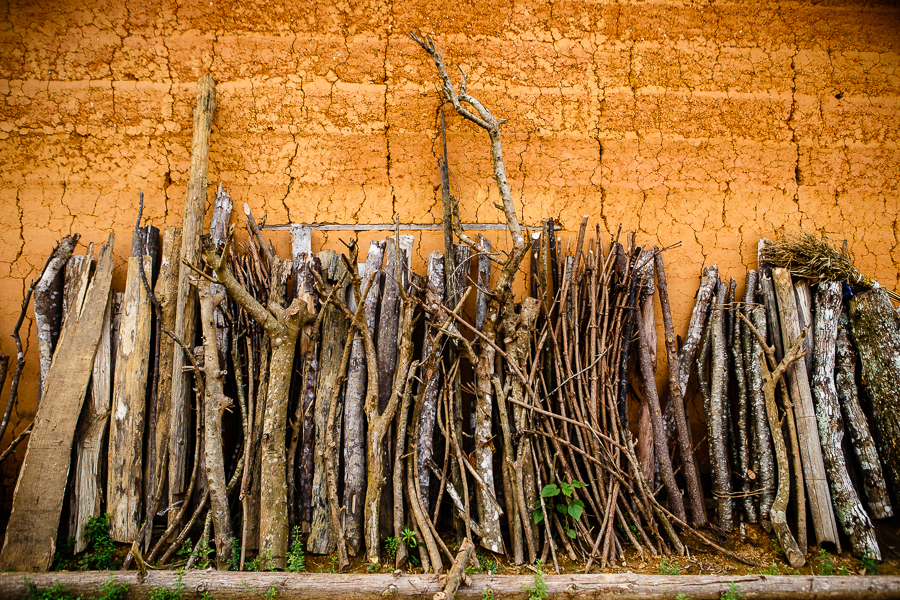
Firewood in Nam Dam village


Traffic



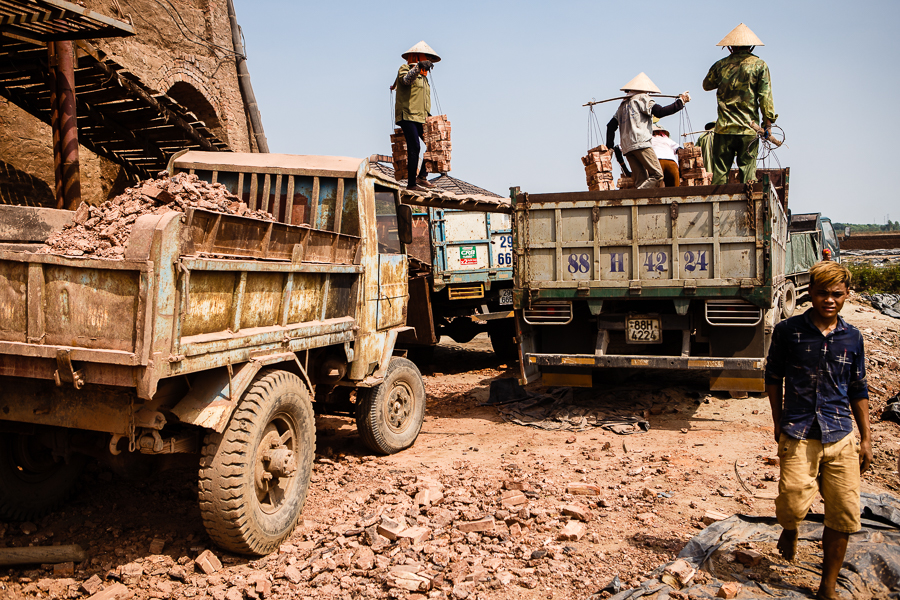
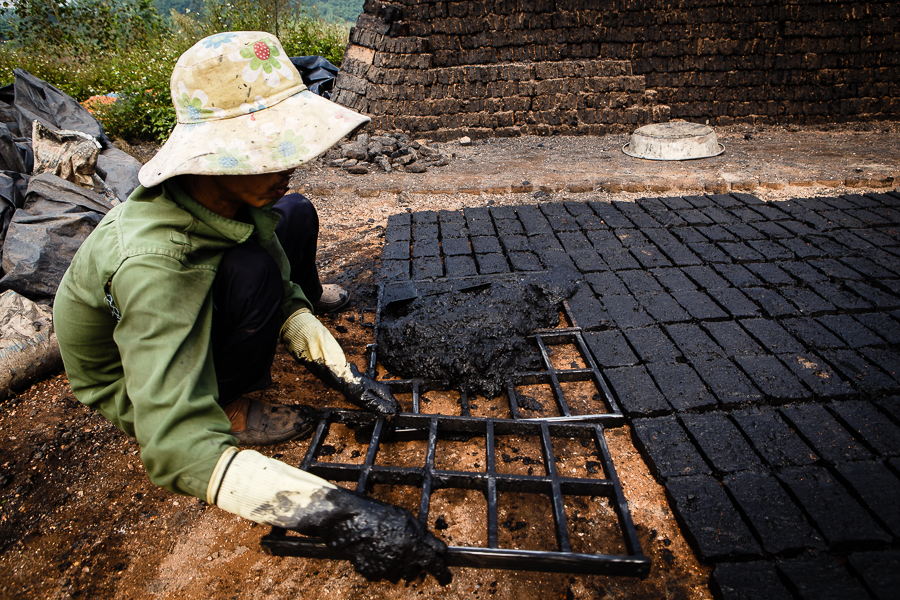
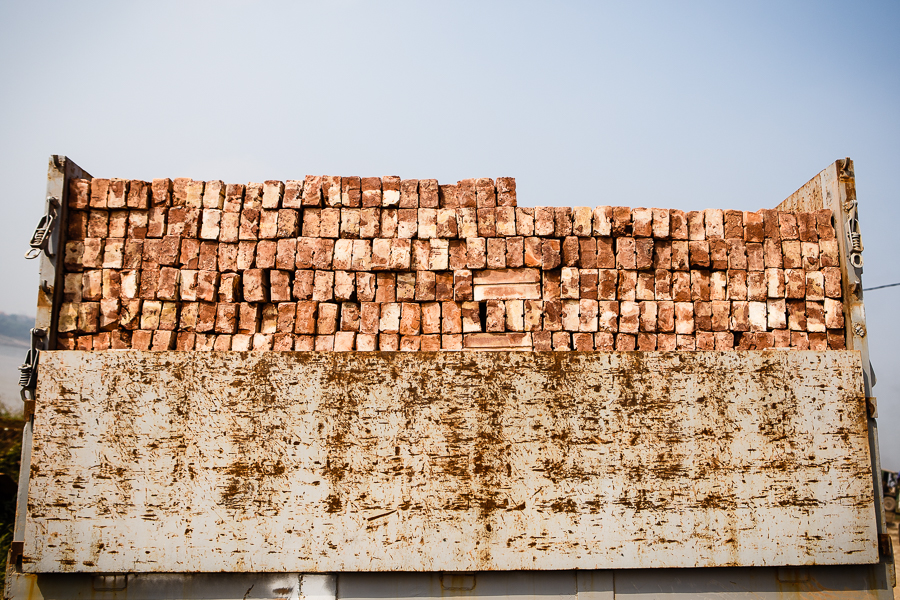
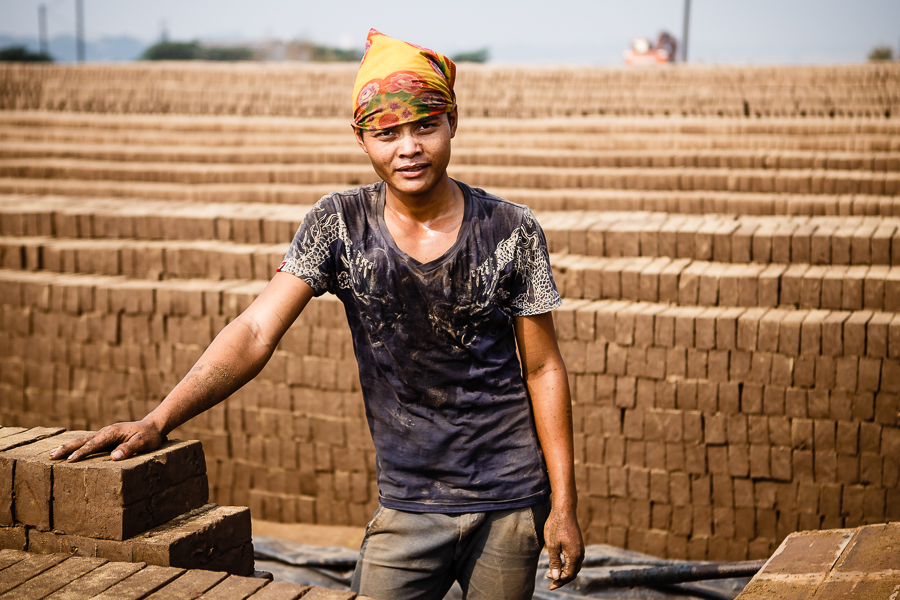
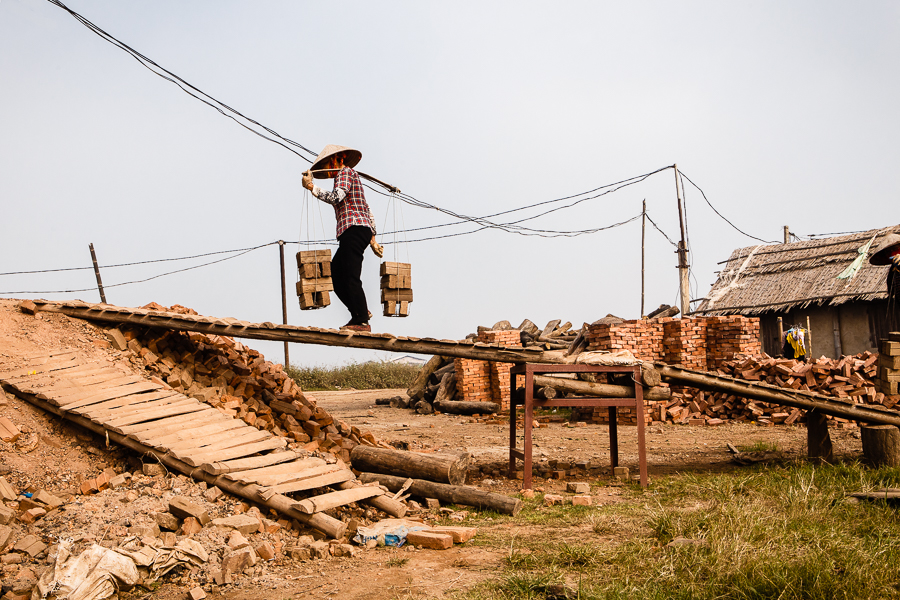
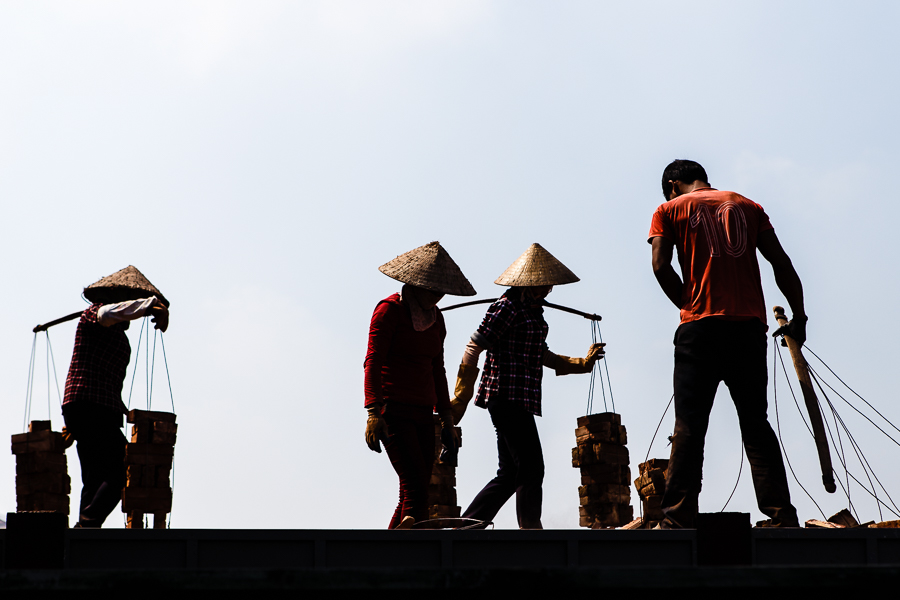
These crumbling, dusty, ramshackle brick factories just outside Hanoi were one of my favourite photography destinations last year. As well as the striking colours and patterns, I hope that these pictures convey something of the resilience of the factory workers, and the fine balance between disorder and routine. I keep meaning to go back and shoot some more there. In the absence of new new pictures, here are some new old pictures from last autumn, which I had intended to post these a couple of months ago, only for them to slip through the net somehow.










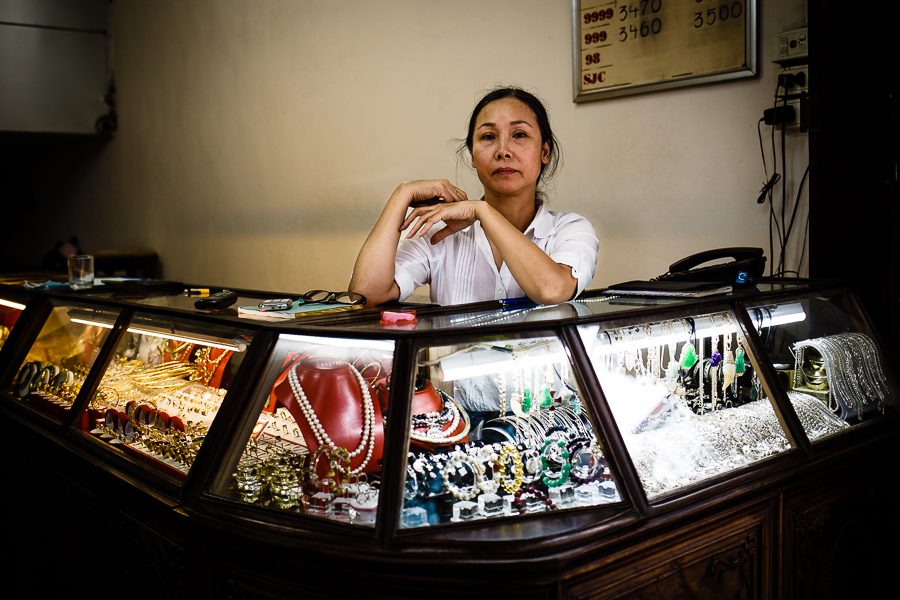
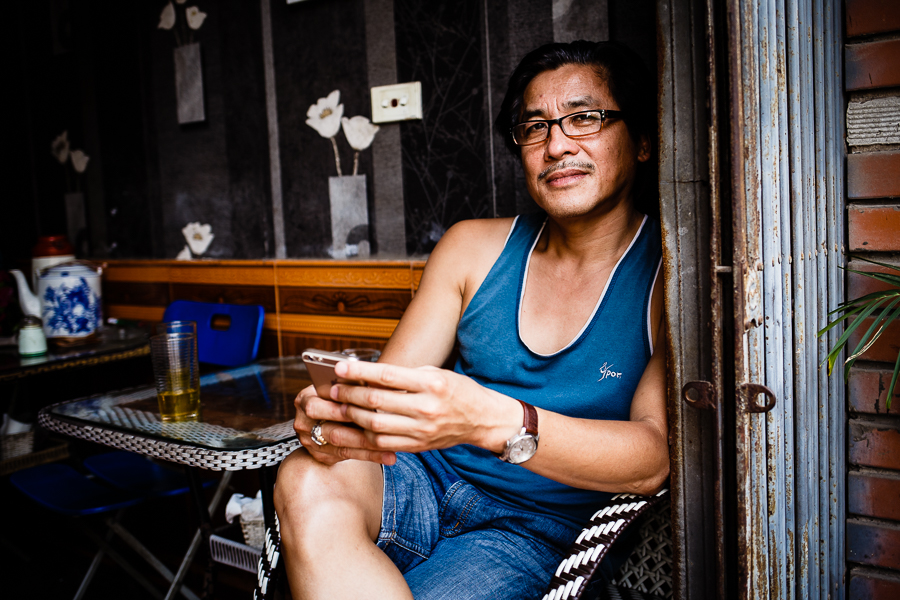
Just a few more fragments of Hanoi street life: markets, cafes, street food, games of checkers, tea stands. These are some of the things that define this city for me.




 Without an H