Around Borobudur

A few pictures taken in and around Borobudur town: a farmer sharpening his scythe; rice terraces on the road to Selogriyo temple; a house in the shape of a giant camera; and buddha carvings, large and small.
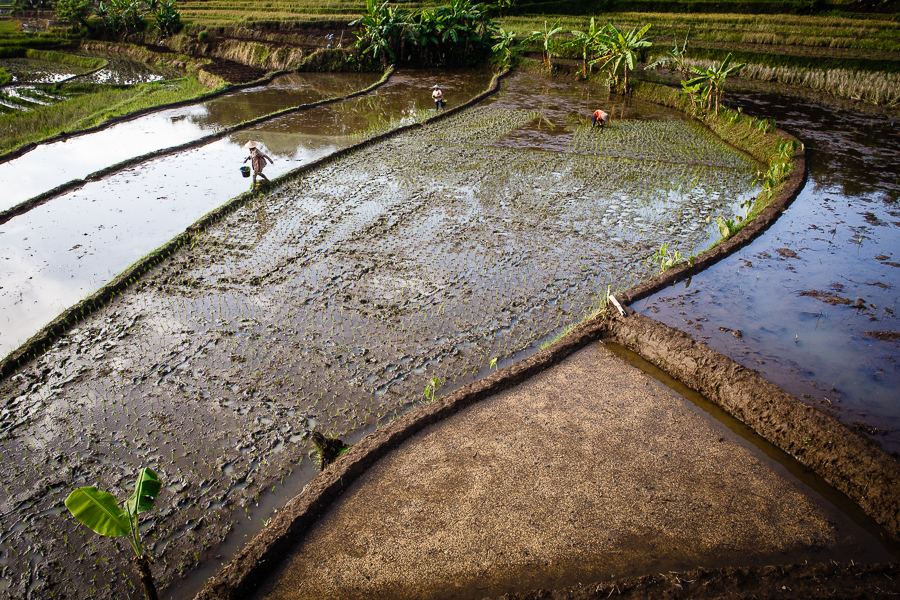

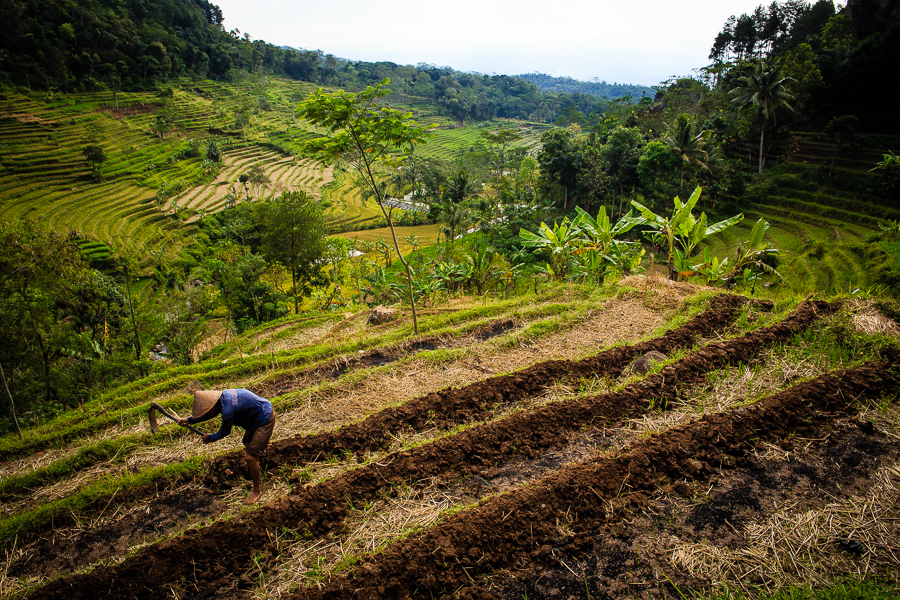
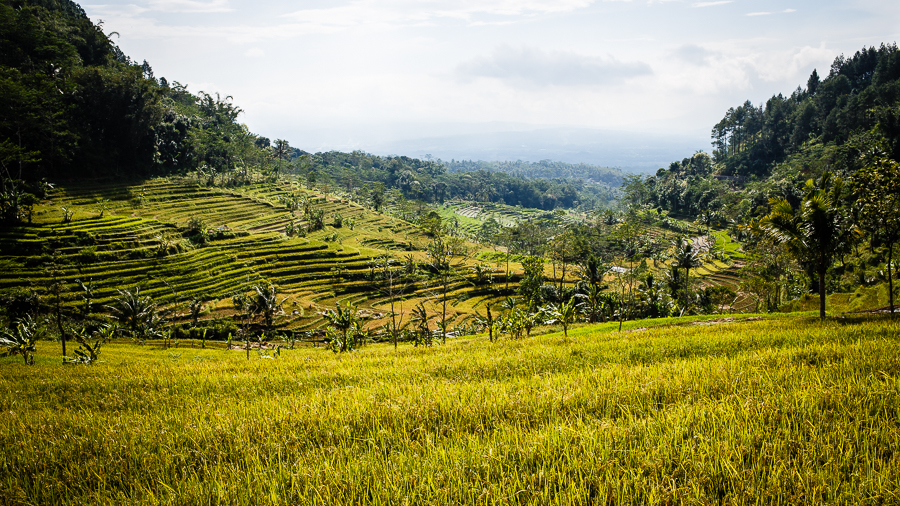
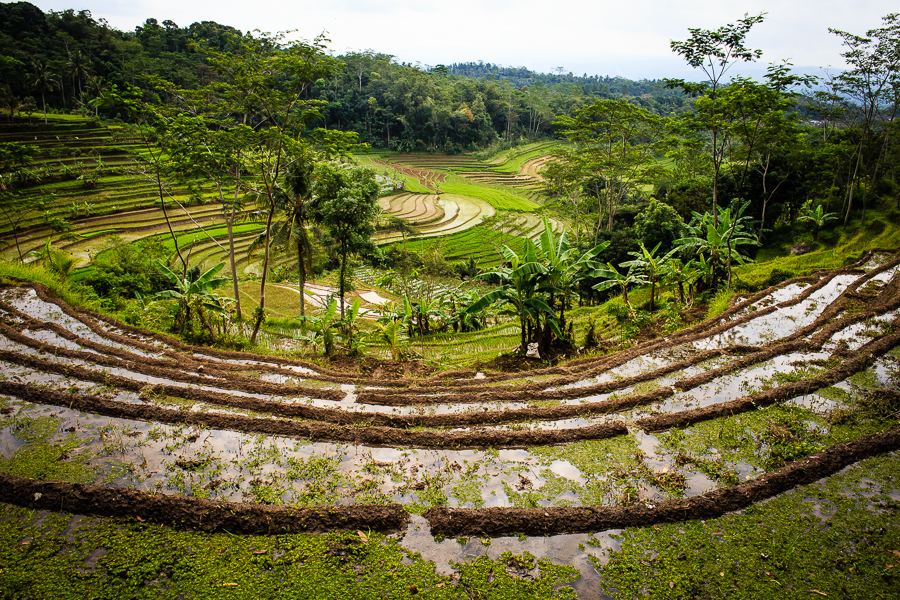


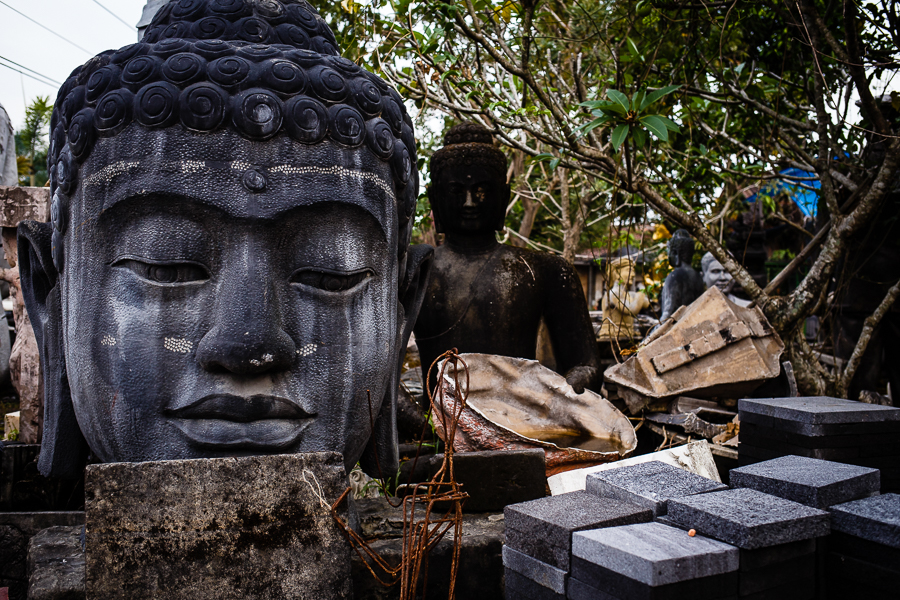
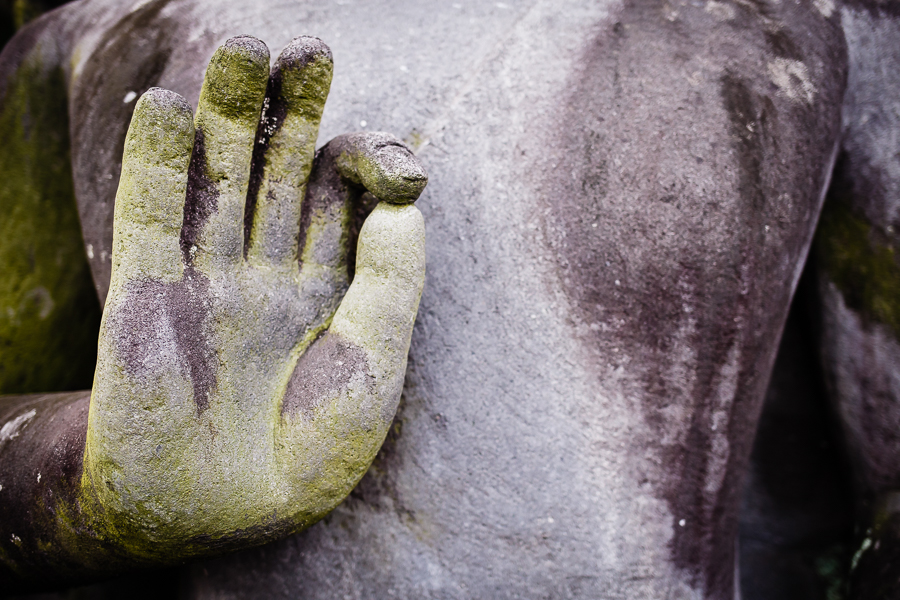


A few pictures taken in and around Borobudur town: a farmer sharpening his scythe; rice terraces on the road to Selogriyo temple; a house in the shape of a giant camera; and buddha carvings, large and small.

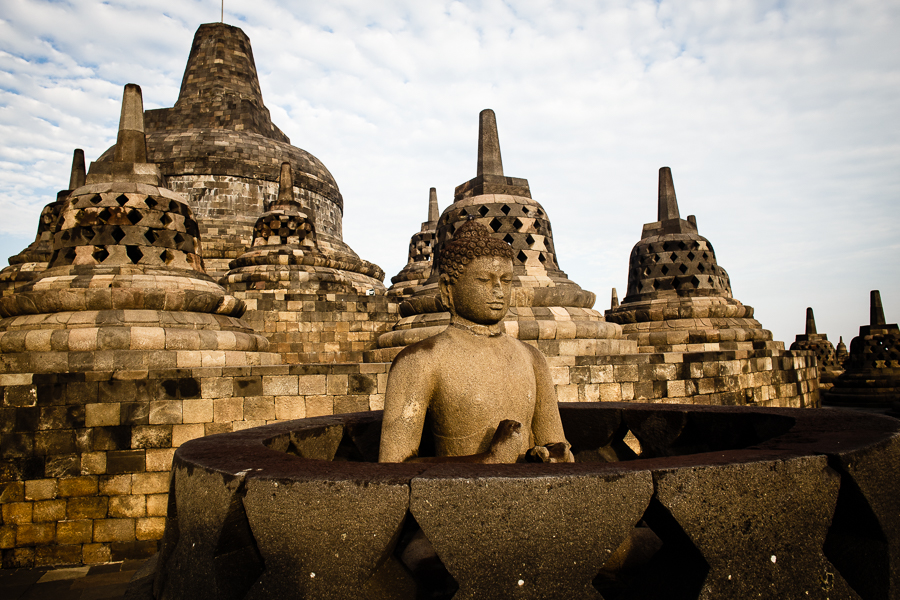
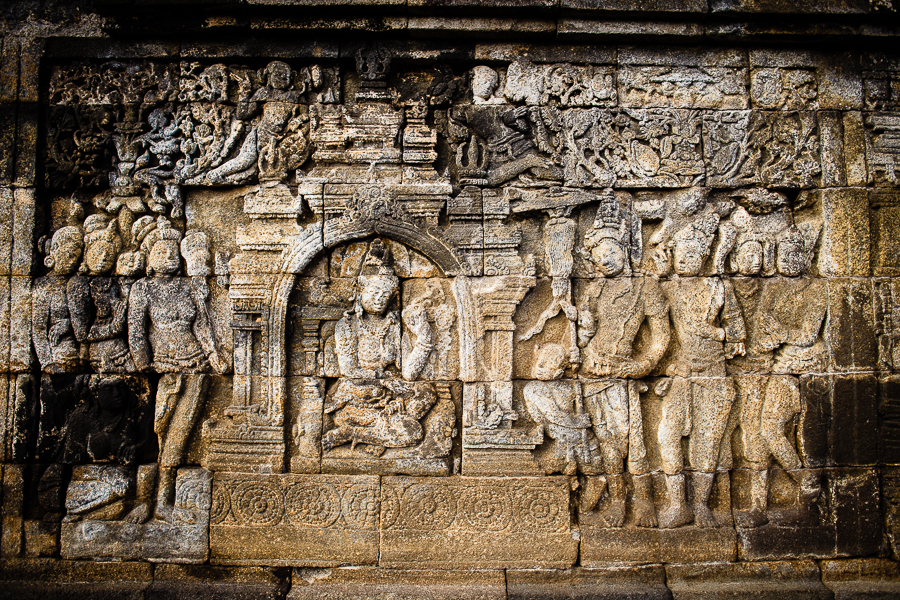
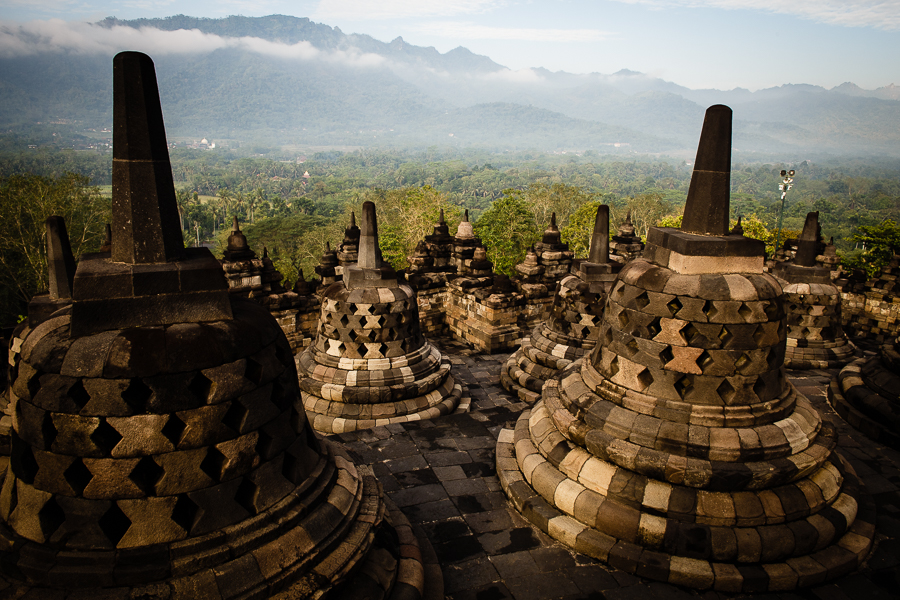
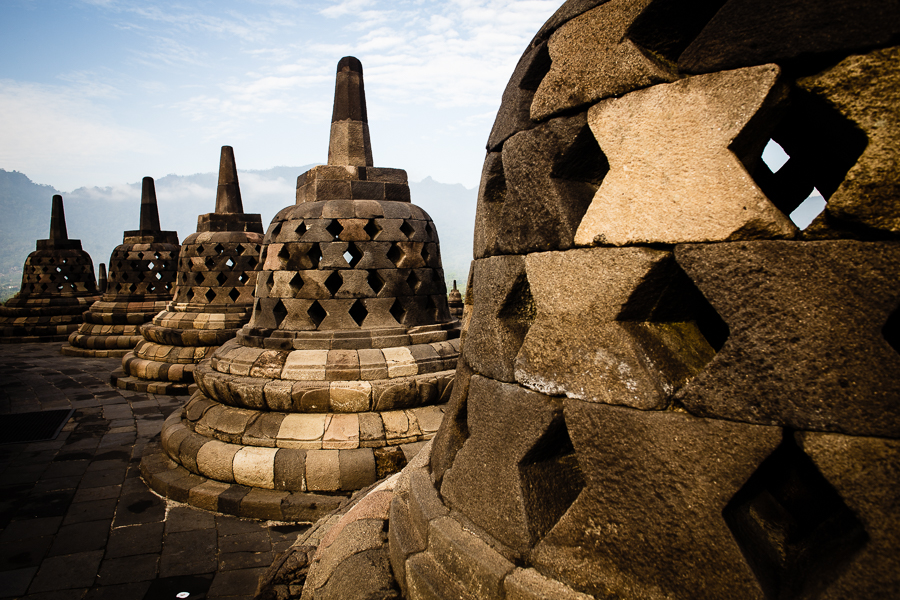
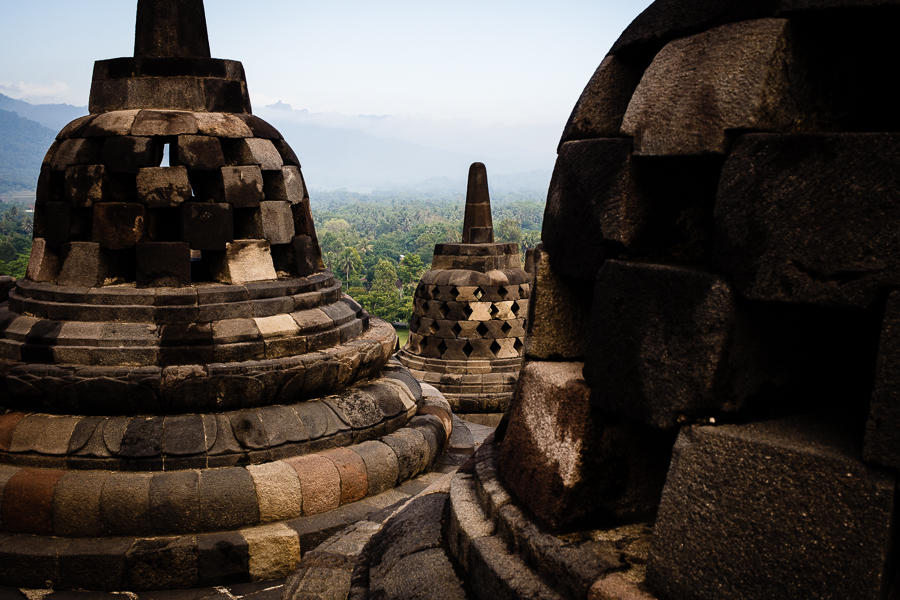
Along with Bagan and Angkor, central Java’s Borobudur is one of south-east Asia’s best known temples. While those first two are vast complexes that consist of many separate temples scattered over a wide area, Borobudur is a single structure, but one built on a grand scale, the largest Buddhist temple in the world.
My first sight of the temple was at sunrise from the top of nearby Setumbu hill. With hindsight, I should probably have skipped the trip up the hill and instead forked out the extra ruppiah for the sunrise ticket to the temple itself. My pictures from the hill were fairly underwhelming (so I haven’t included them here) and the best light had already gone by the time I made it to the temple at about half past six. But there were some pleasingly fluffy little white clouds in the sky, and the temple itself is beautiful enough to still be impressive in less than perfect light.








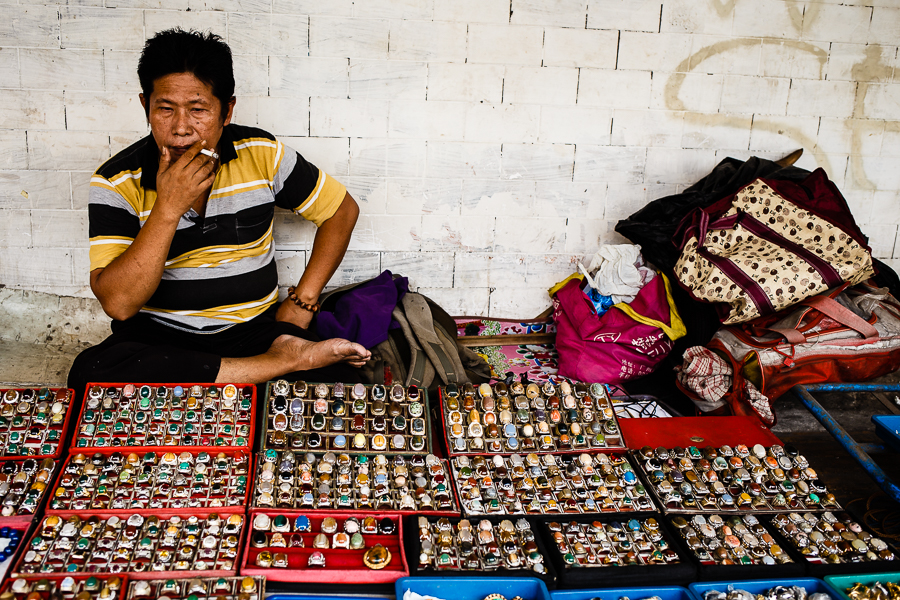
A final few pictures from the streets of Jakarta.

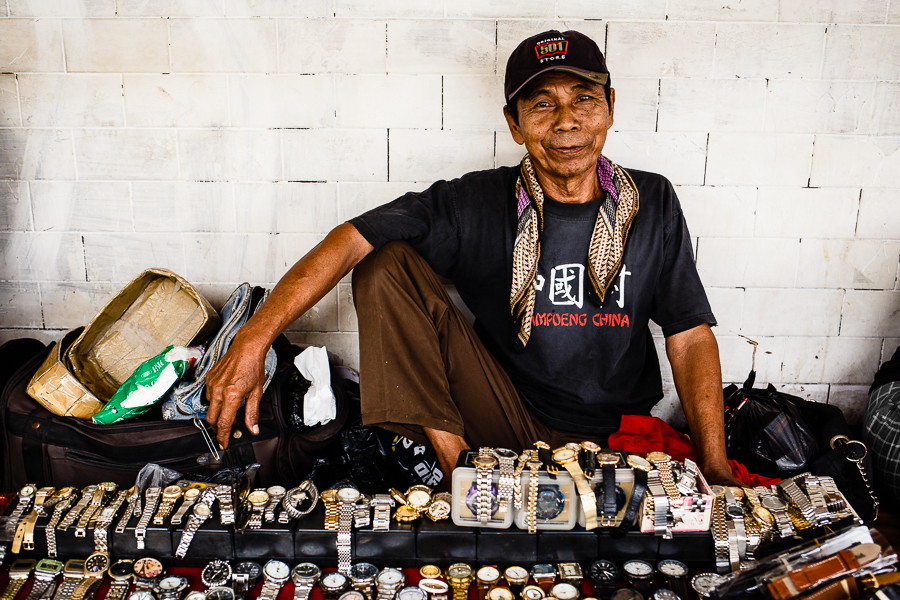
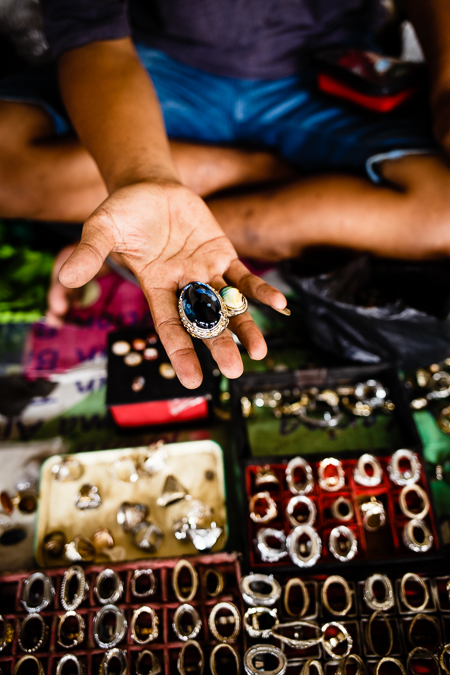


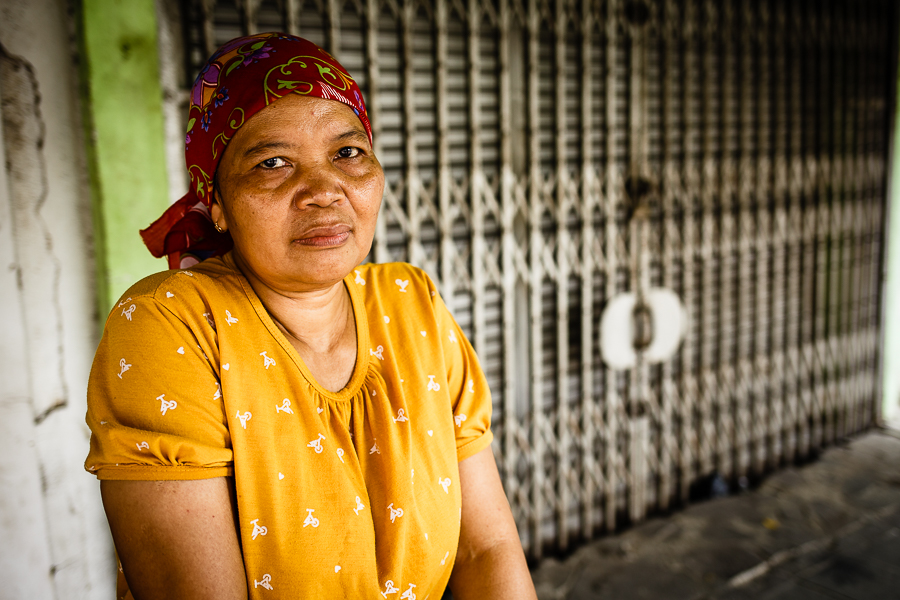
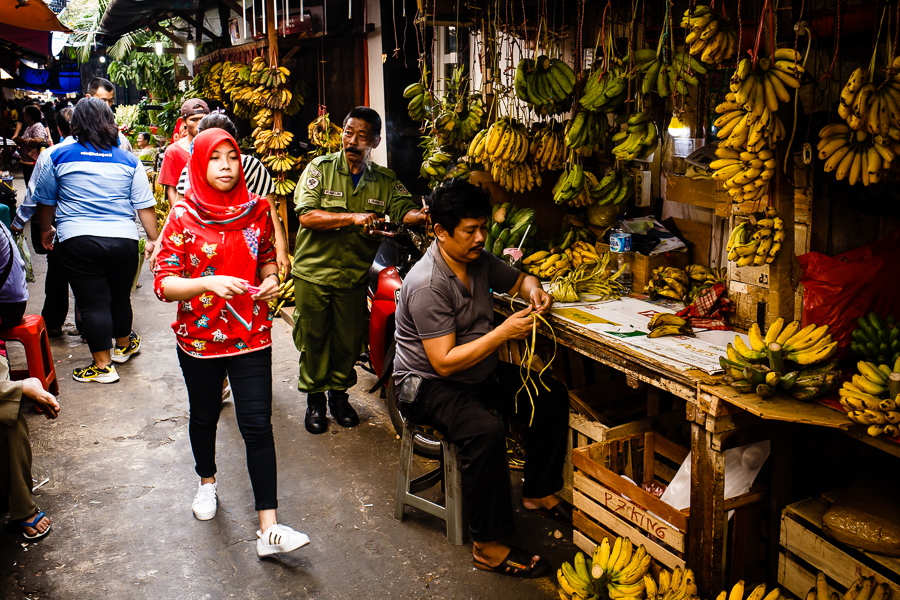


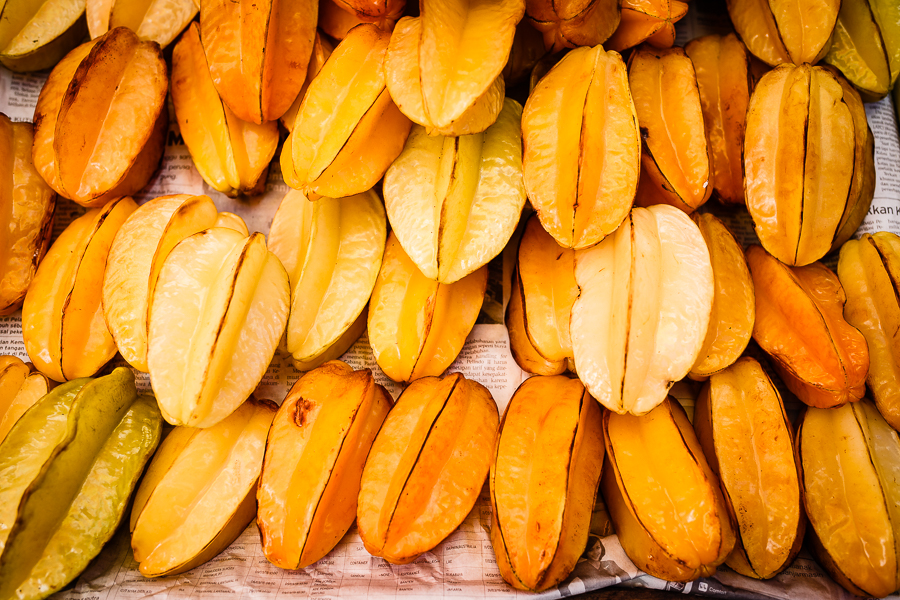


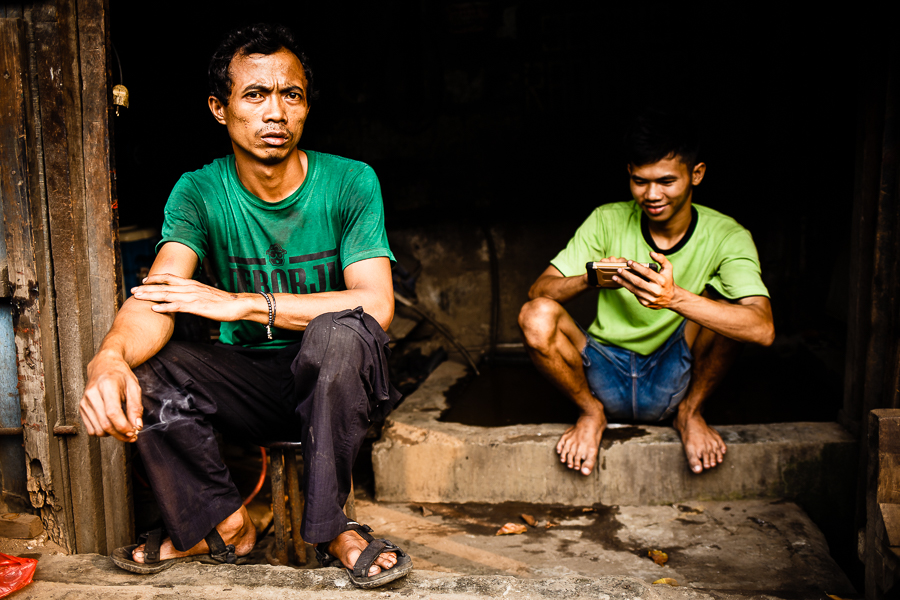


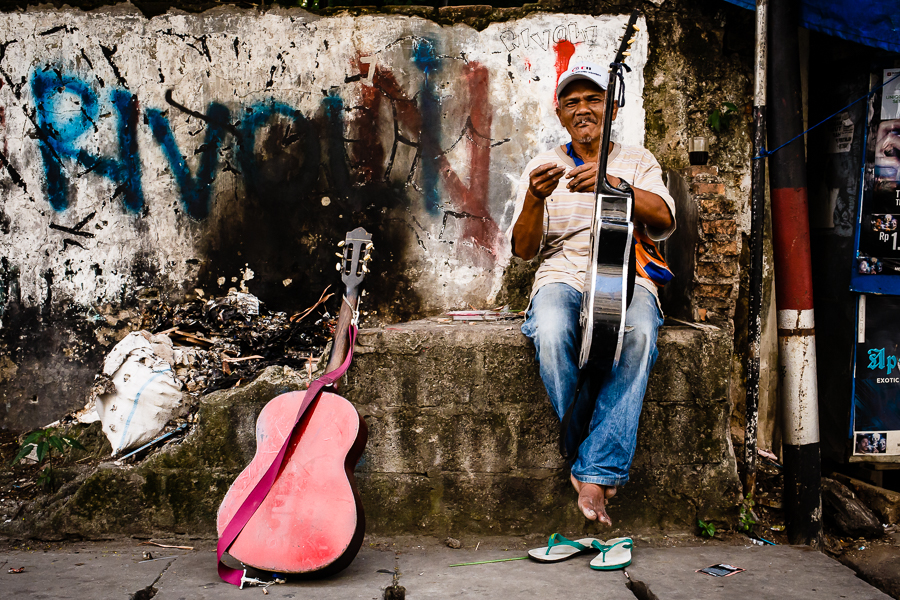

Whenever I visit other big south-east Asian cities, I always seem to end up in Chinatown. Bangkok, Yangon, Kuala Lumpur, and now Jakarta. It’s not just the food. These districts always seem to have lots going on, an energy and character of their own.
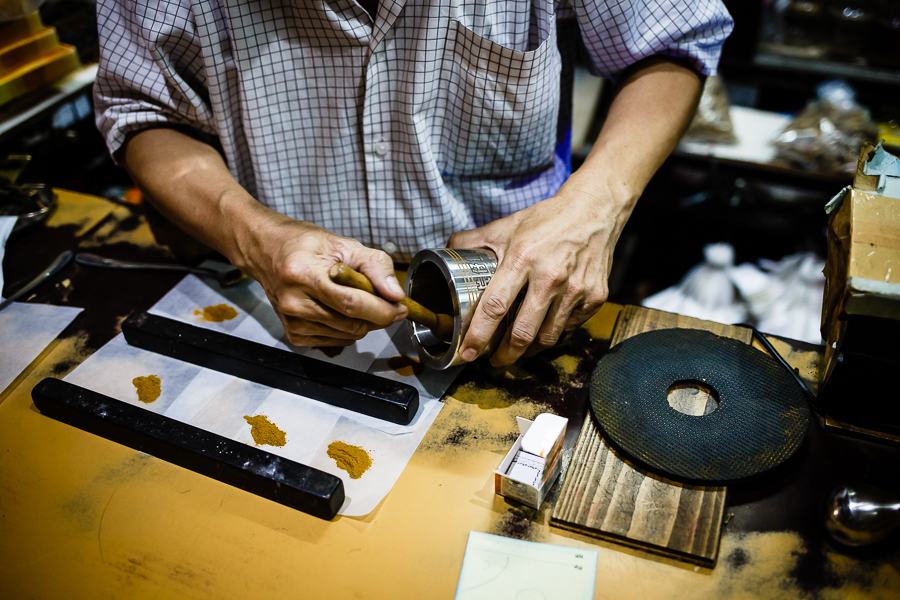
In Glodok, Jakarta’s Chinatown, there are a number of traditional herbalist shops, selling specially prepared packages of dried or powdered herbs, designed to cure all manner of ailments, to those who don’t trust or can’t afford conventional medicine.


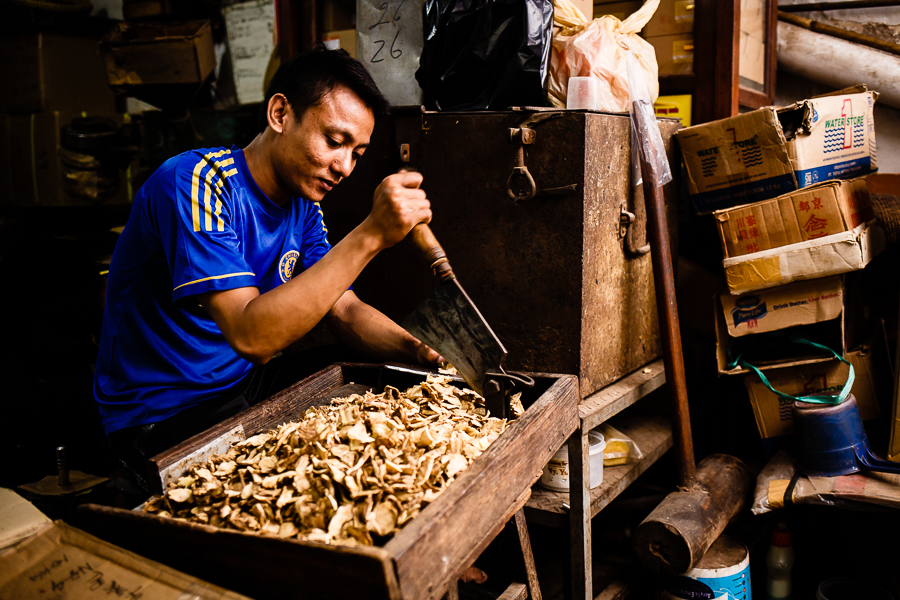
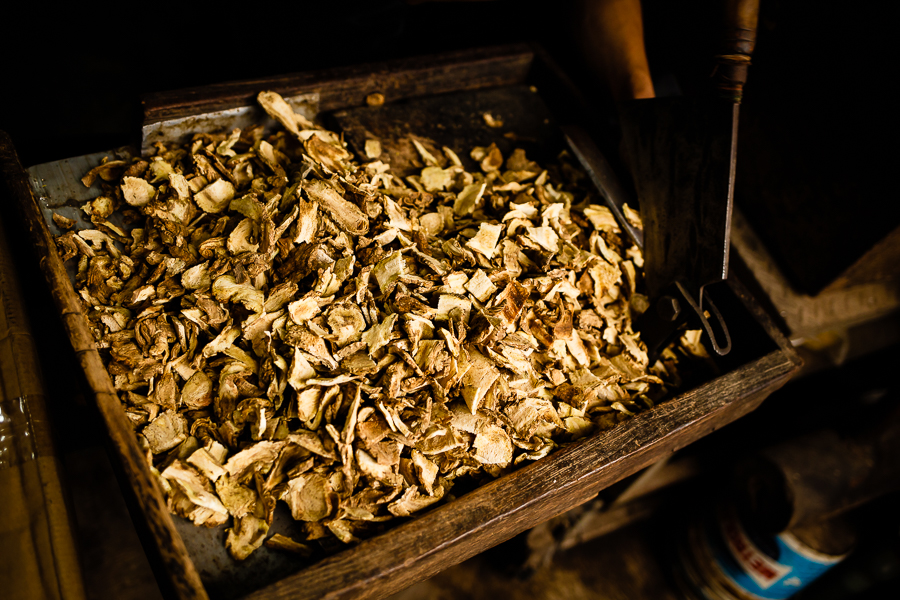

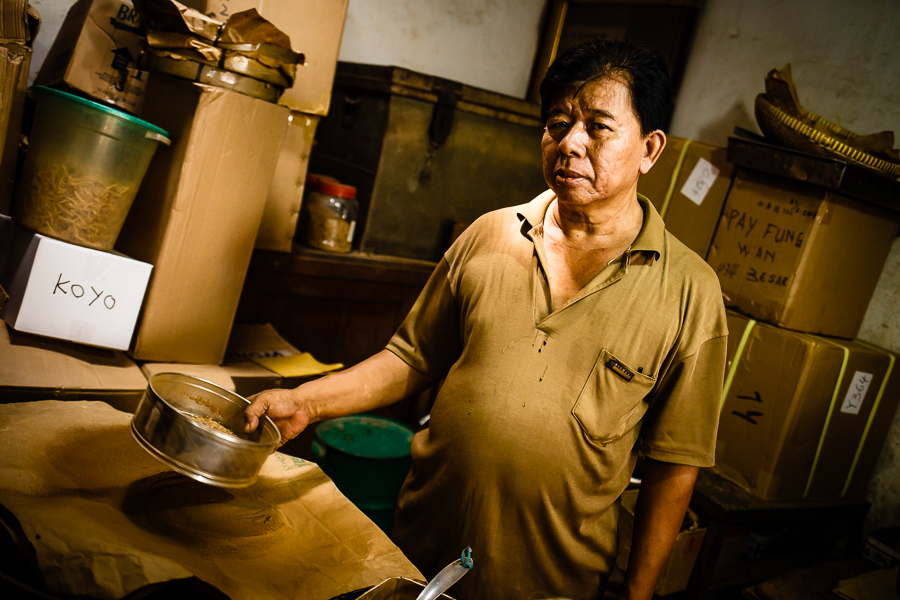
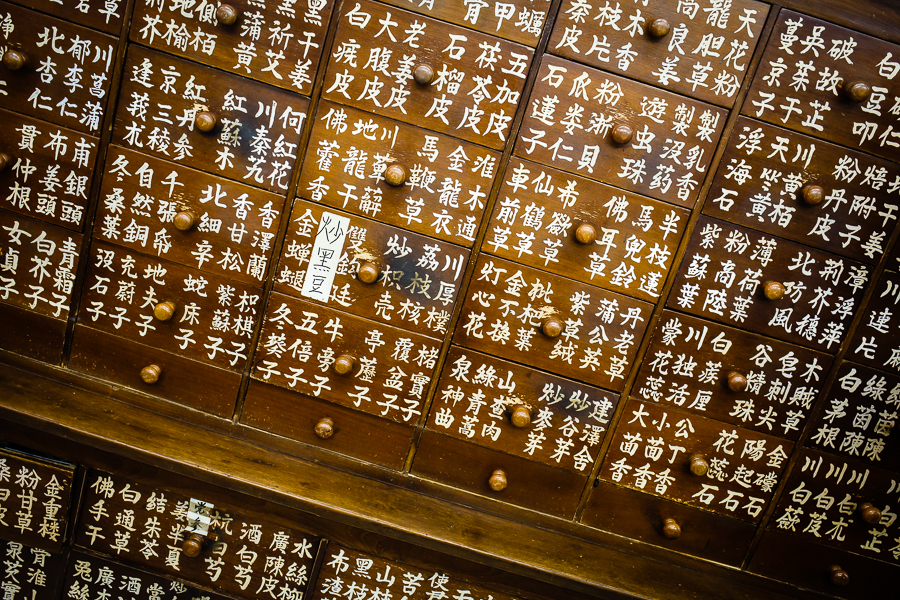

What to say about Jakarta? It’s a vast, sprawling, congested mess of a place. A megacity of more than 30 million people with no obvious centre, it’s more than a little overwhelming for the first time visitor. It’s a difficult city to love, especially at first sight, but in between the multi-lane highways and behind the concrete blocks, there are pockets of humanity, regular neighbourhoods where regular people go about their everyday lives. There were moments when I felt like I was in my element – there’s nothing like wandering around a new place with a camera and a 35mm lens. But in between these moments were long periods spent sitting in traffic, or simply looking for a place to cross those multi-lane highways.
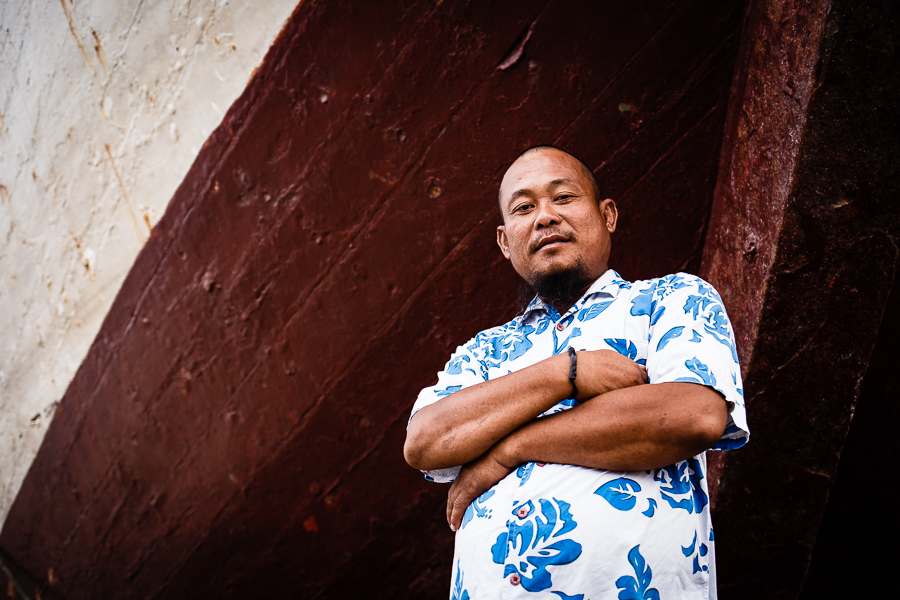
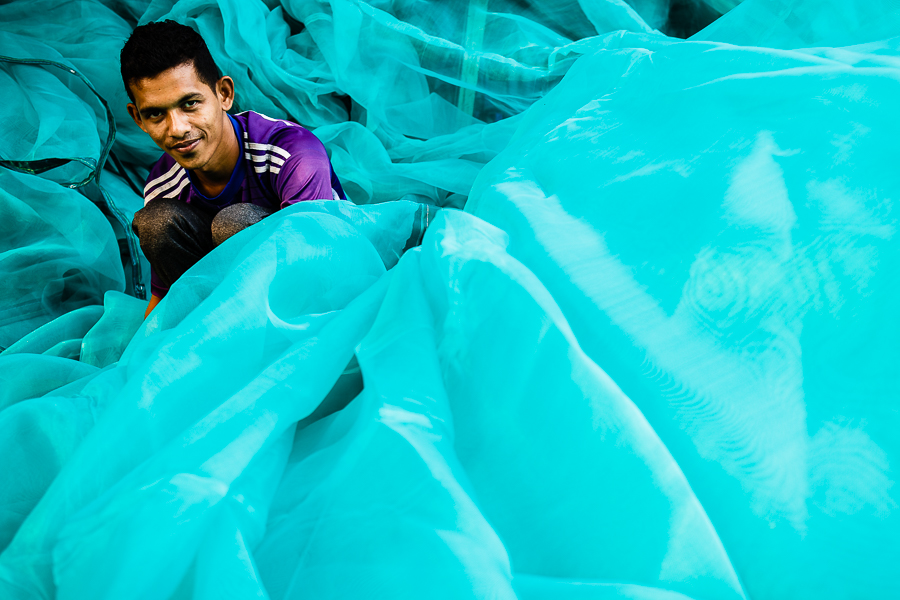
I think you’d need a lot of time and patience to really get to know this city. I just spent a couple of days there at the start of a month long trip through Java and Bali. In that short time, I barely scratched the surface of Jakarta. I can’t offer a comprehensive overview of the city with my photographs, but I can share a few portraits, some small fragments of Jakartan life. It’s my way of trying to show the city’s human face.
More from Jakarta, and elsewhere in Indonesia, coming soon.



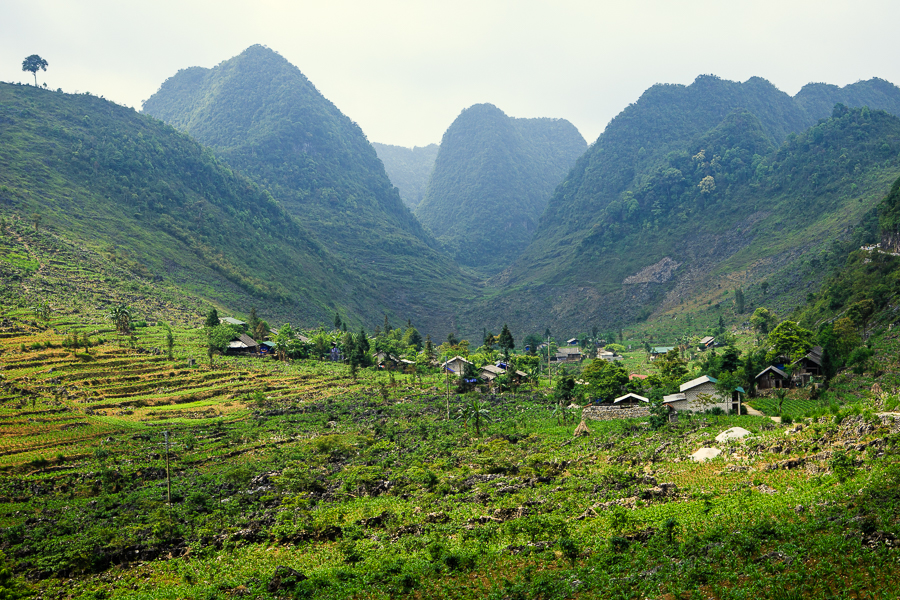
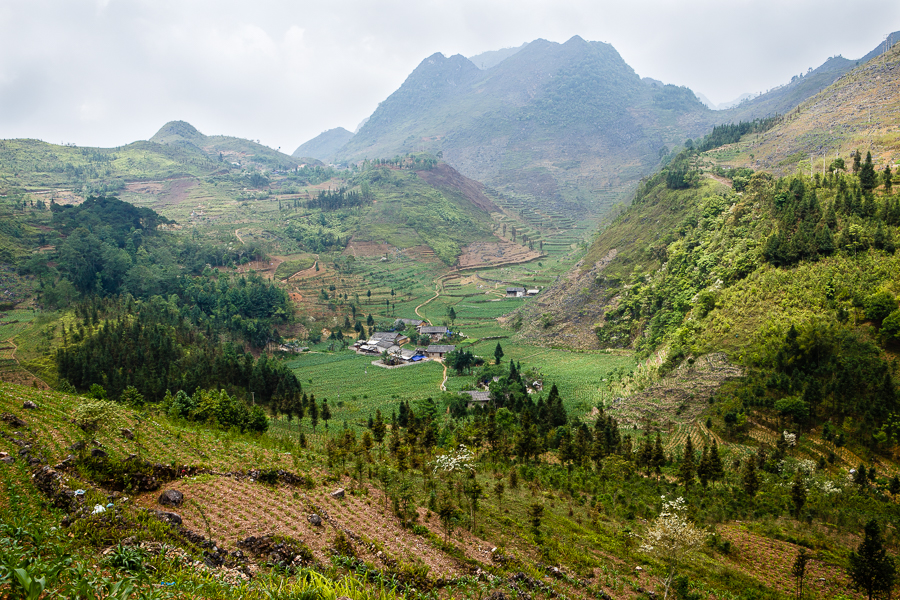
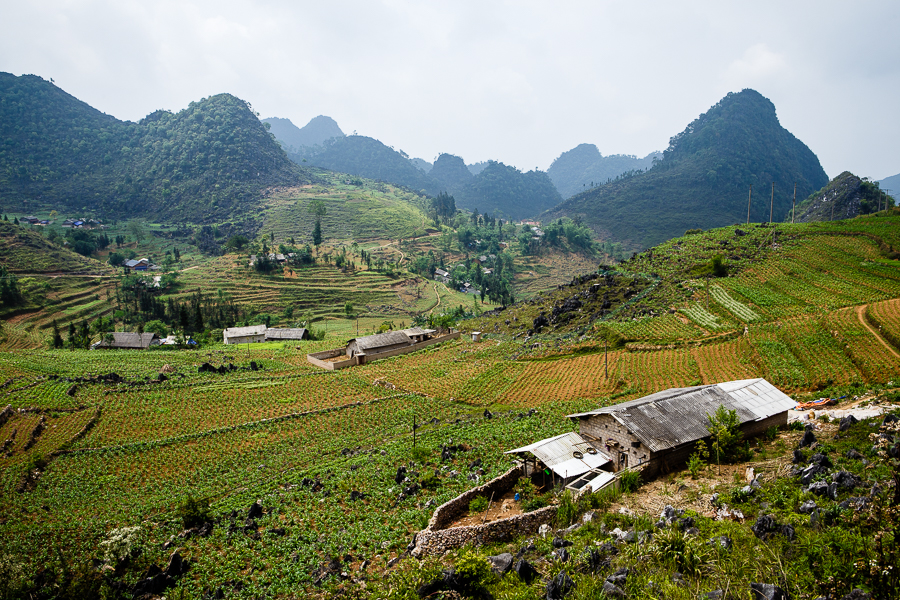
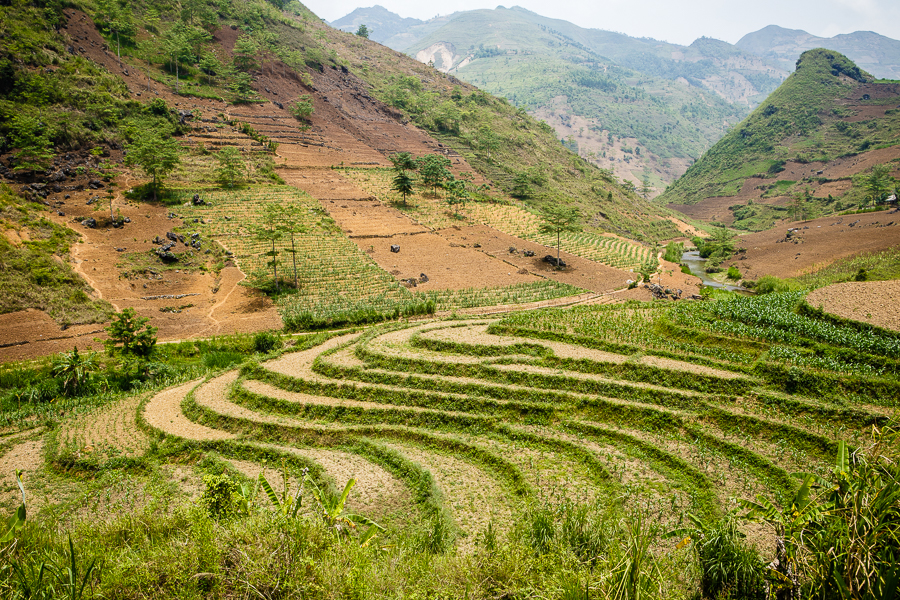
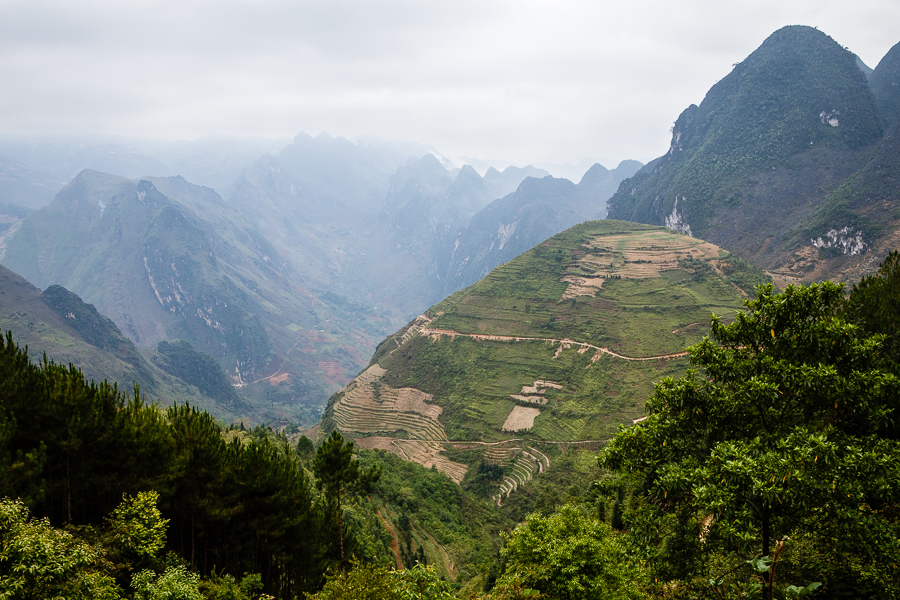
This is my final set of landscape pictures from my April / May trip to Ha Giang province in northern Vietnam; these were all taken on the road from Meo Vac to Yen Minh.




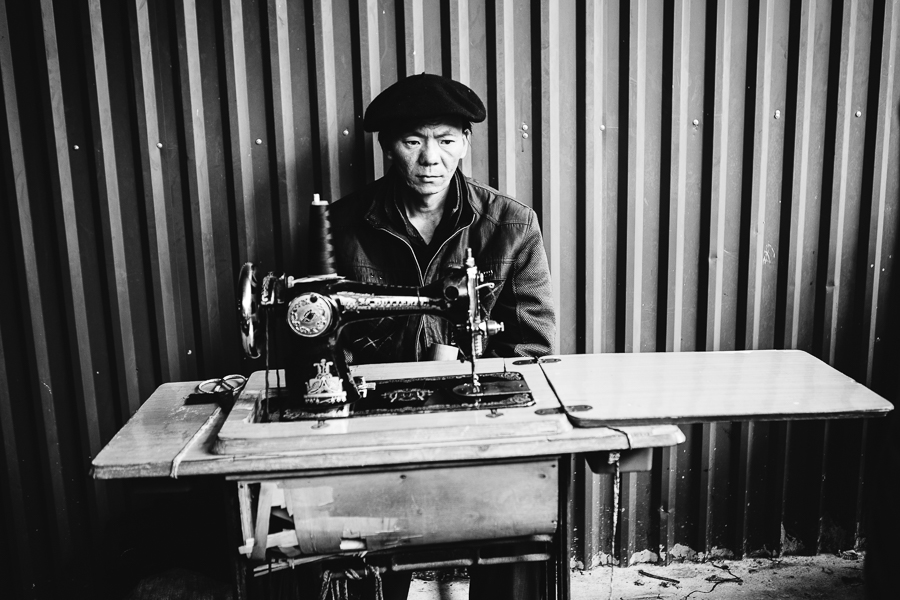
This final set of pictures from Meo Vac market focuses on another aspect of this hectic, sprawling weekly gathering in the mountains of northern Vietnam: clothes and shoes. Just inside the covered area of the market, seamstresses and seamsters (if that’s a word) hunched over old pedal-operated sewing machines, making clothes to order from material bought at stalls nearby. Elsewhere, shoppers haggled over traditional skirts, knock-off jeans and plastic shoes.


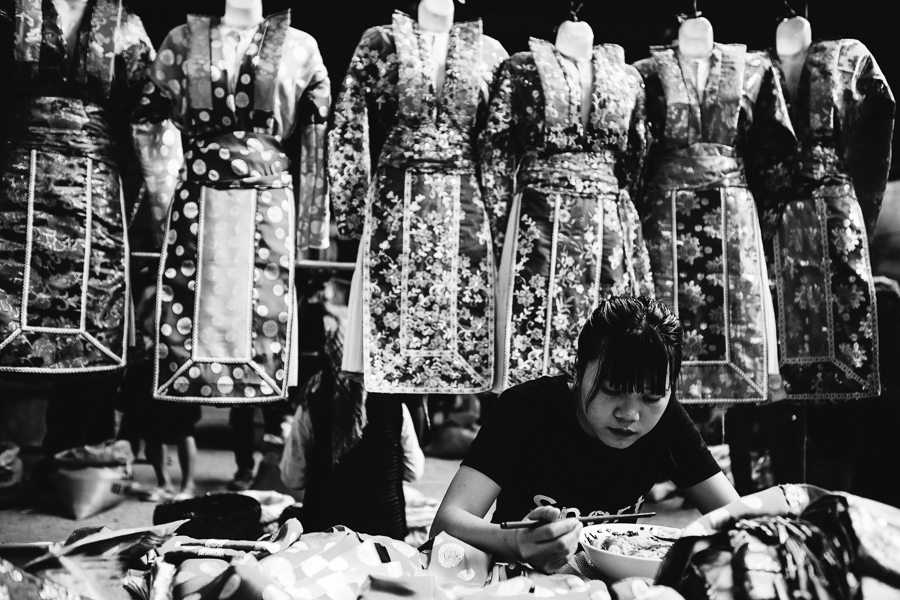


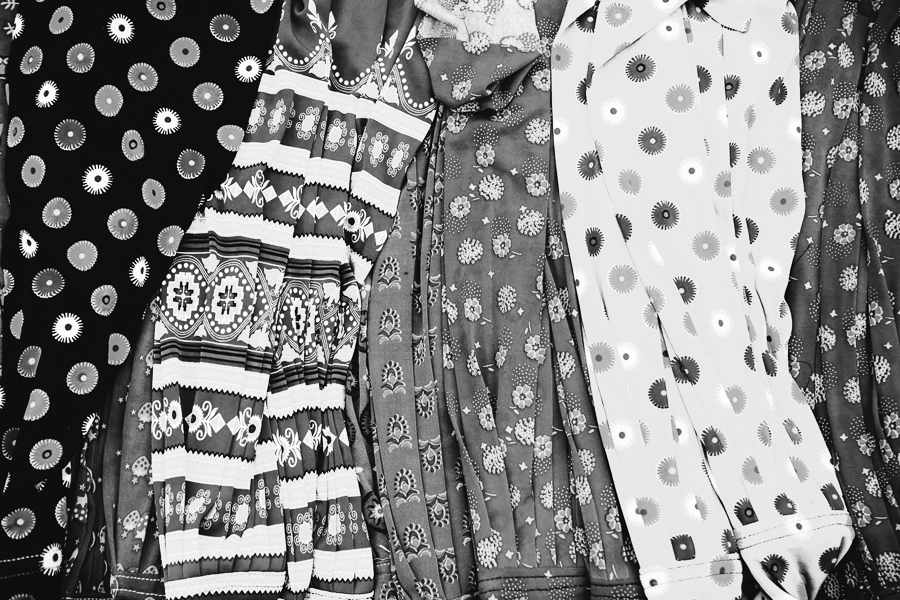


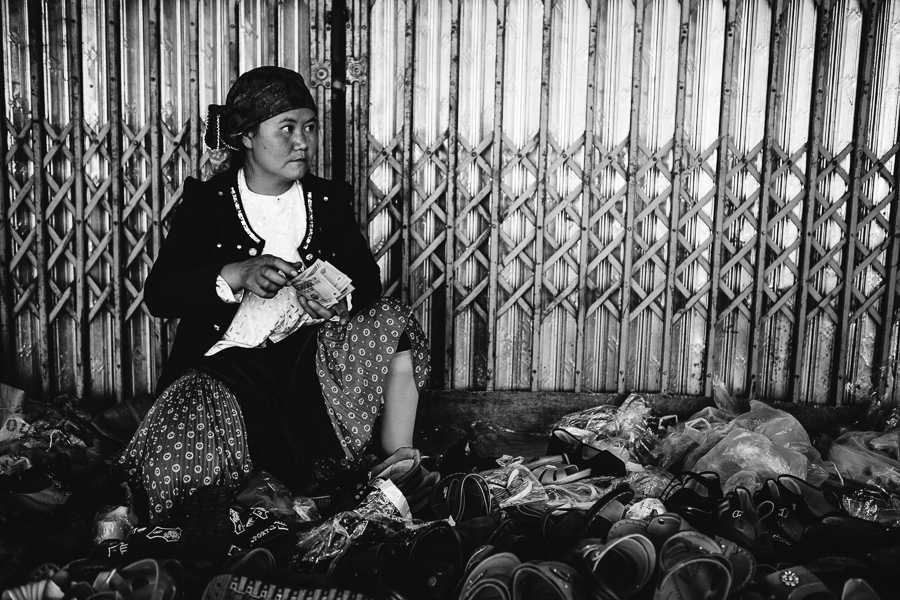

While cows and pigs are being traded outside under the early morning sun, the inside area of Meo Vac market is full of activity of a different kind. As I mentioned in my previous post, the Sunday market gets going very early in the morning; this means that there are hundreds of people all needing breakfast. The centre of the market is a huge covered area, much of it taken up by dozens of kitchens where traders and customers take a break from market business to enjoy a bowl of noodles.
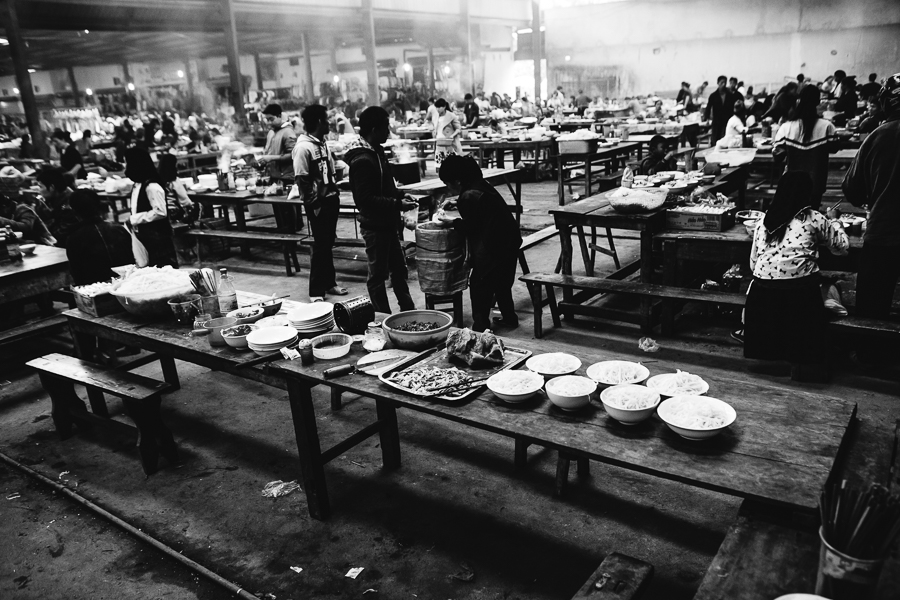


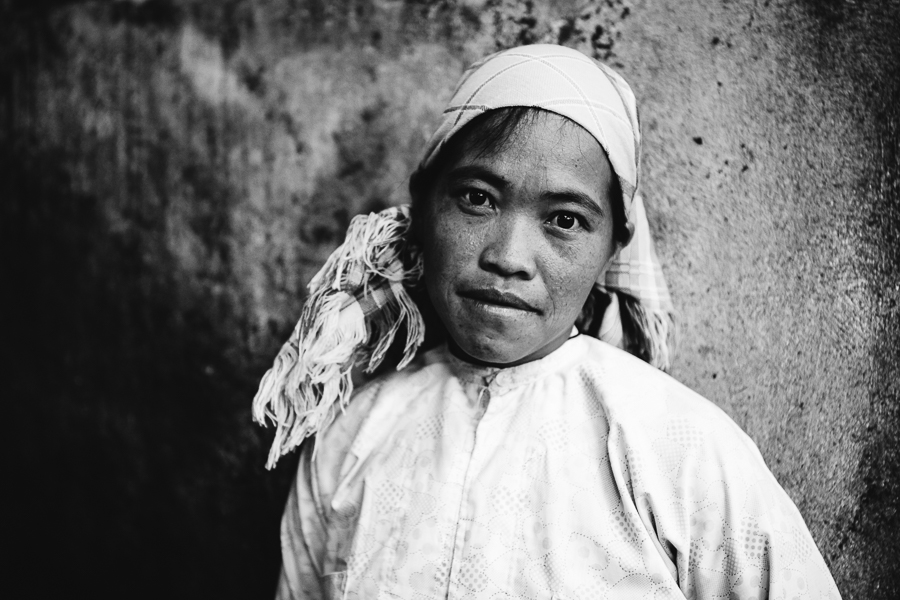
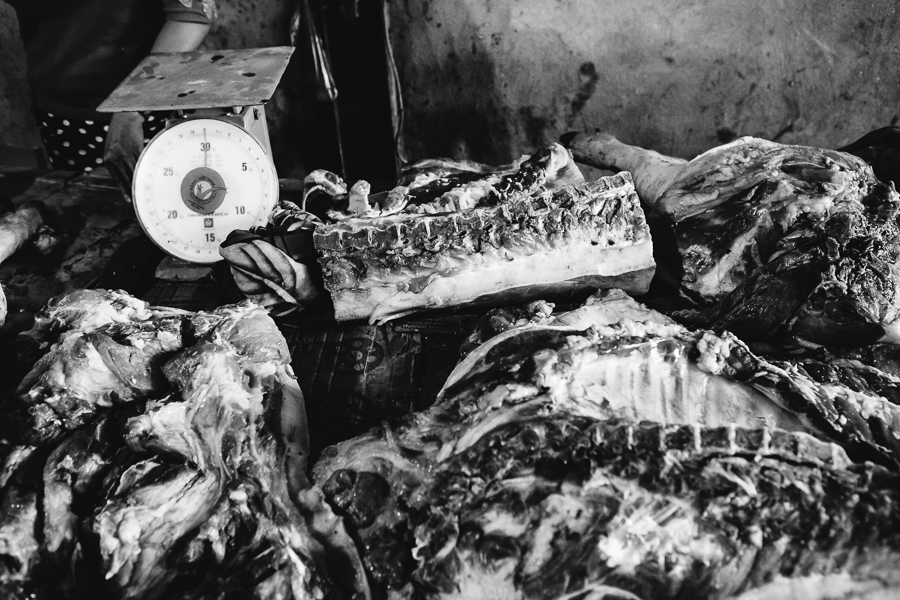
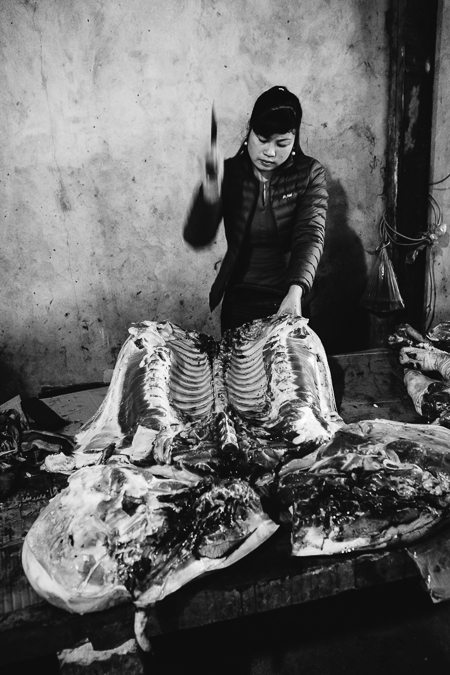
While live animals are bought and sold outside, there is freshly butchered meat available inside.



One of the things I most wanted to do on this last trip to Ha Giang was to visit the Sunday morning market in Meo Vac. I planned the whole trip so that I would reach Meo Vac on a Saturday afternoon, and be ready for an early start the next day. Even though I got to the market before six, it was already busy, as numerous villagers arrived in town, some by truck, some by motorbike and some on foot, but all with goods to sell.
There are countless regular markets throughout the province. Some are weekly while some, confusingly, are held every six days. Some are in large-ish towns like Meo Vac or Dong Van, some in tiny villages. These markets are an essential part of life in Ha Giang. They’re where town and country meet, as farmers from different villages and ethnic groups gather together to trade with each other and the people of the towns. It’s not all business of course – the market has an important social function, and there was plenty of gossiping, flirting and boozing going on too.
This market was chaotic, crowded, smelly, utterly engrossing and a little overwhelming. In photography terms, it was a complete change of pace from the preceding few days, when I’d been mainly photographing landscapes. Suddenly, I was surrounded by people and animals, by rapid movement and fleeting moments. There were potential pictures everywhere, and there were times when it was difficult to know where to turn. For the most part, the market people were far too busy going about their business to concern themselves with the tall, clumsy photographer in their midst. I decided to shoot in more of a documentary style – mostly up close with wide angles, observing and recording rather than interacting, though I did occasionally engage with people for a few of my customary portraits.
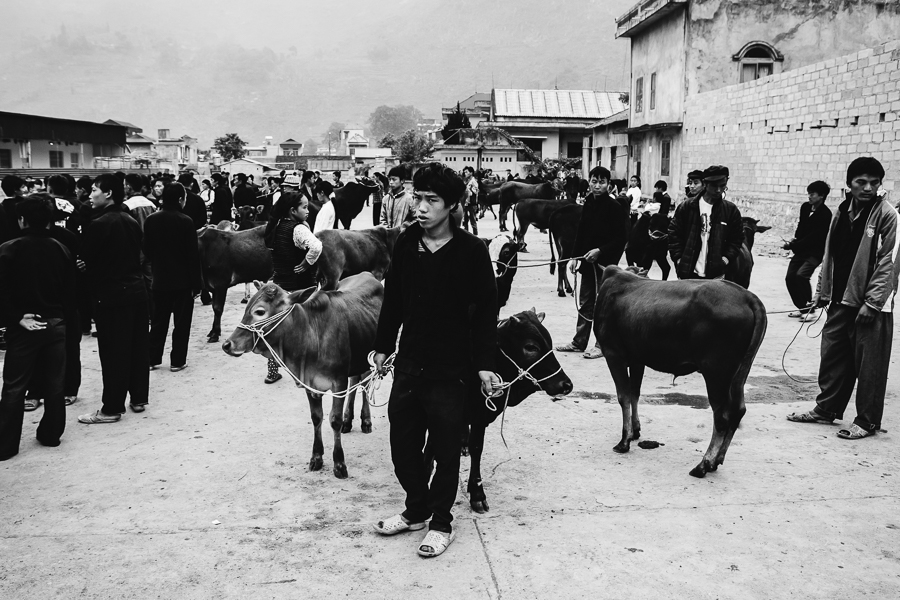
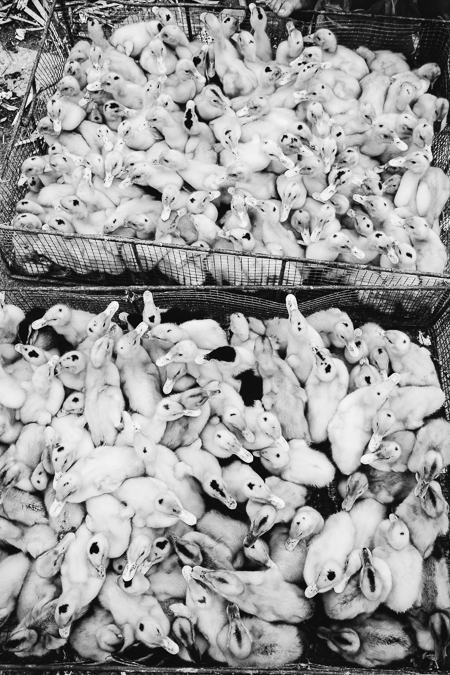
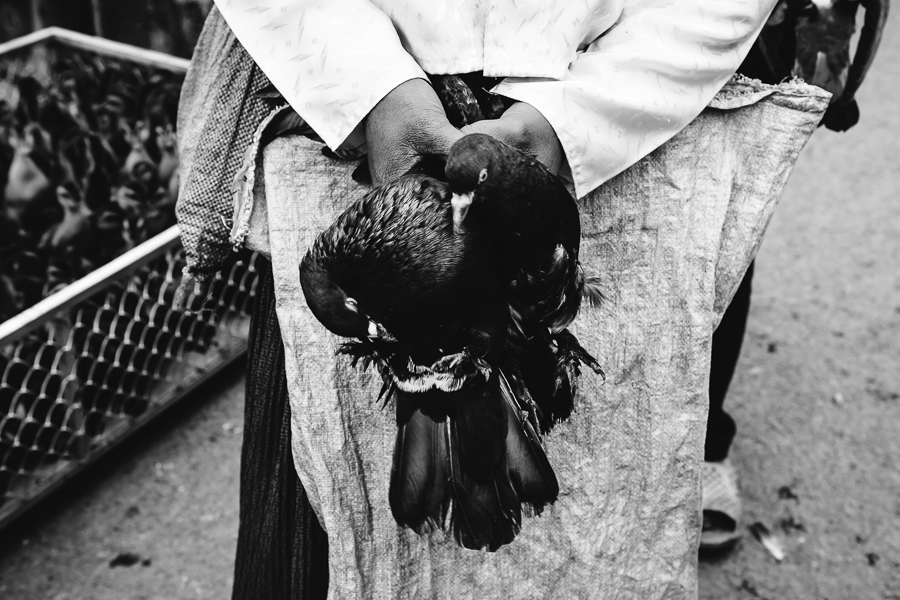
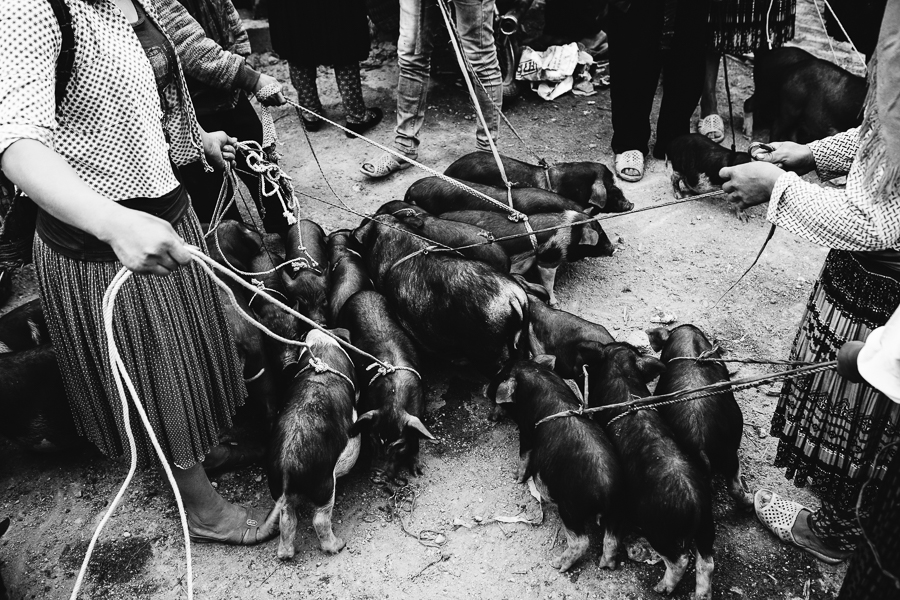
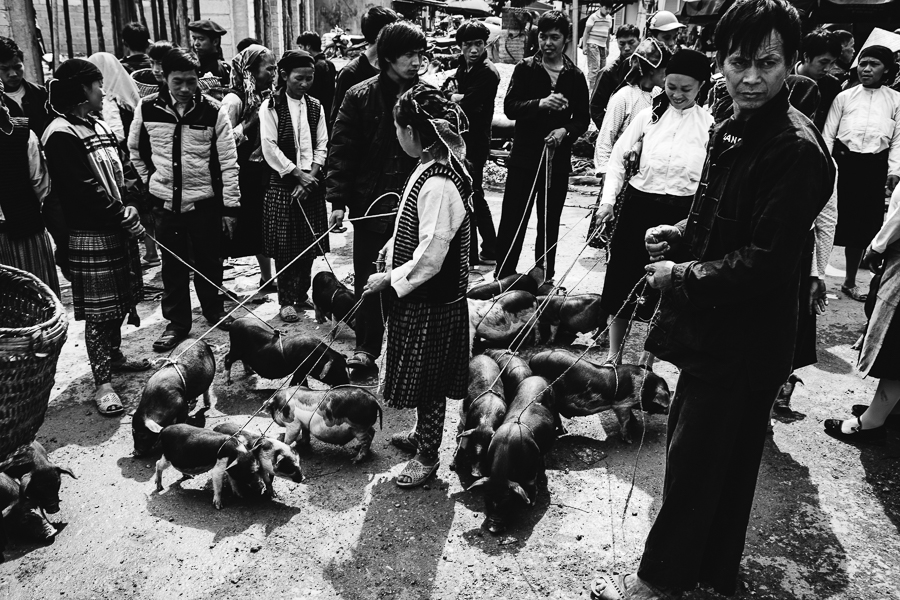
Meo Vac market is mainly known as a livestock market, and there were plenty of worried looking cows, pigs and chickens changing hands. There was a lot more going on besides – with meat, fabric, clothes, shoes, household goods, moonshine, and all sorts of other things also being bought and sold – but all that will have to wait until a later post, as this series is all about the animals.









It’s only about 25km from Dong Van to Meo Vac, but if you’re like me it can take hours to drive, because you have to keep stopping to take more photographs. This stretch of road, the Ma Pi Leng pass, is widely considered the most awe-inspiring in northern Vietnam, and that’s against some pretty stiff competition. I promised myself that I would drive past the merely beautiful and only stop for the breathtaking, but I still seemed to be stopping the bike every couple of minutes to take pictures.
It was difficult to get the balance right on this trip. Obviously, I wanted to come back from Ha Giang with photographs I could be proud of, but I also wanted to enjoy the experience of simply being there. It’s all too easy to see everything through a lens, to spend too much time thinking about photography and not appreciate the experience while it’s actually happening. There’s a time for stopping to take pictures, and a time for savouring the thrill of motorbiking through these wonderfully twisty mountain roads.
I was definitely guilty of over-shooting on this trip – I came back with lots of very similar photographs. It’s a habit I’ve got into as a result of taking a lot of portraits, I think. When photographing people, I’ll often take many shots of the same person, shooting from different angles, trying to capture different expressions and gestures before the moment is lost. A landscape isn’t going to go anywhere or change the look on its face, so I could probably have adopted a slower, more considered approach. Changes in the light and weather can of course have an effect on the look of a landscape picture, but these tend to happen slowly, not like the fleeting looks that pass across a person’s face. On this drive along the Ma Pi Leng pass, there were many changes on the weather, the clouds falling like a frown, before the sun broke through like a smile.


 Without an H