Yuanyang portraits II
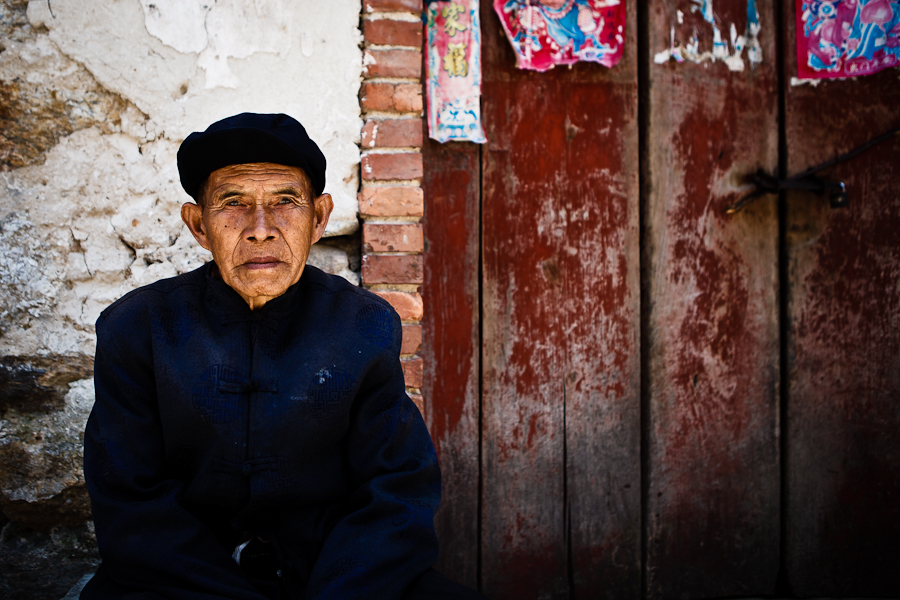
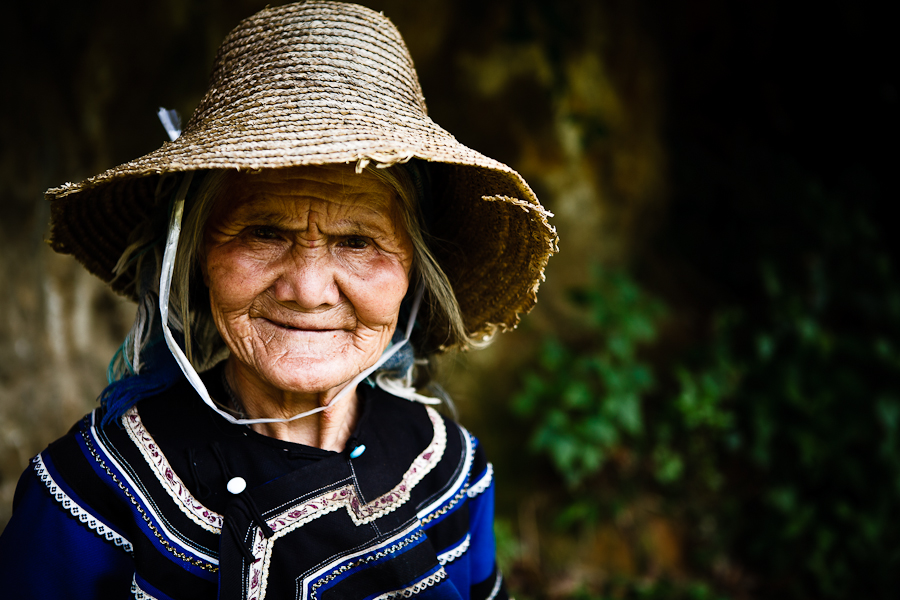
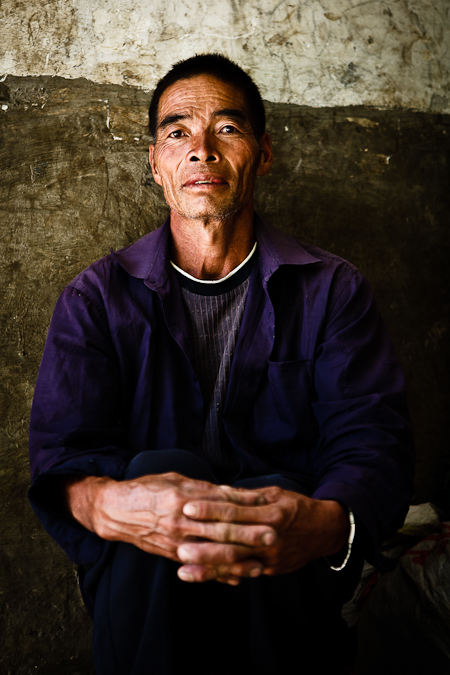
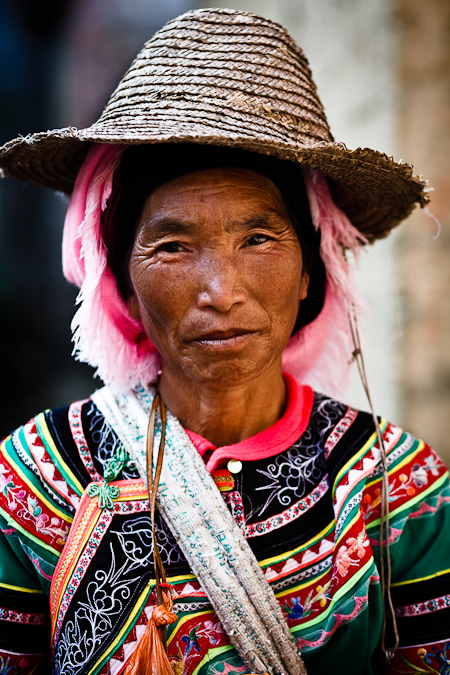
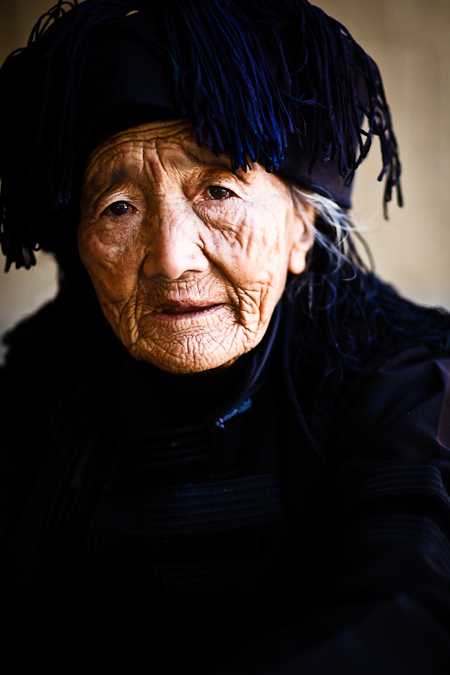
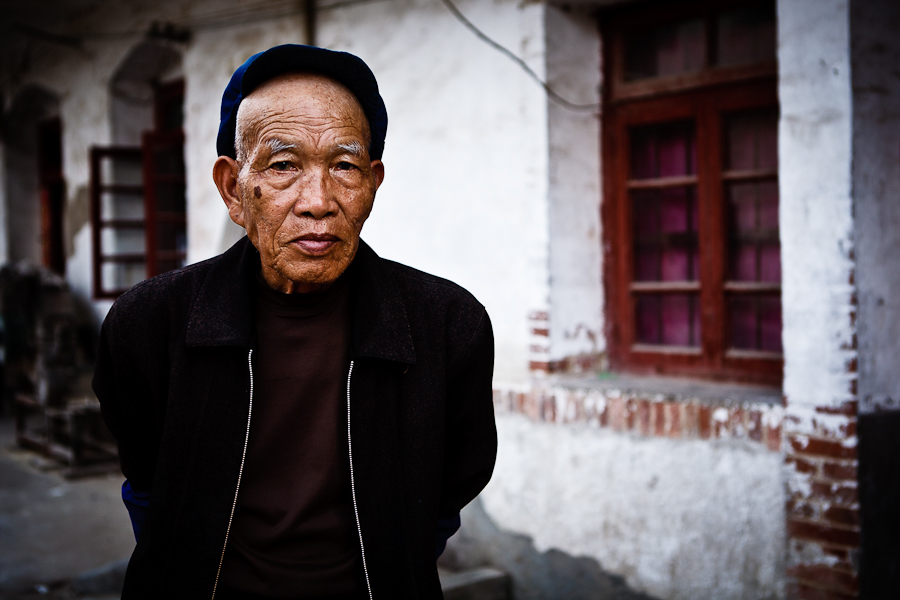
Some more pictures from my visit to Yuanyang, in Yunnan province, China, in May of this year.

Related posts:
- Yuanyang portraits (June 2013)
- The curves of Yuanyang (June 2013)
Some more pictures from my visit to Yuanyang, in Yunnan province, China, in May of this year.
Related posts:

One of the most interesting things about my Mekong trip was watching one country slowly merge into another. Vietnam’s Mekong delta felt very different to Yunnan province in China, where my journey started, but there were no dramatic changes as I travelled from one country to another, rather a series of gradual adjustments in culture and landscape, a blurring of the lines. The rice terraces in Yuanyang in Yunnan are very similar to those in northern Vietnam; the flat plains of southern Laos are identical to those over the border in eastern Cambodia. I ate Thai food in China, and Vietnamese food in Thailand. I visited an ancient Angkor temple in Laos and Lao looking temples in China. Borders have shifted over the years (and are still disputed in some regions) and people have migrated from one country to another, so there are Vietnamese communities in Laos, Khmer communities in Vietnam, Burmese communities in China. Cham Muslim villages can be found all along the lower Mekong.
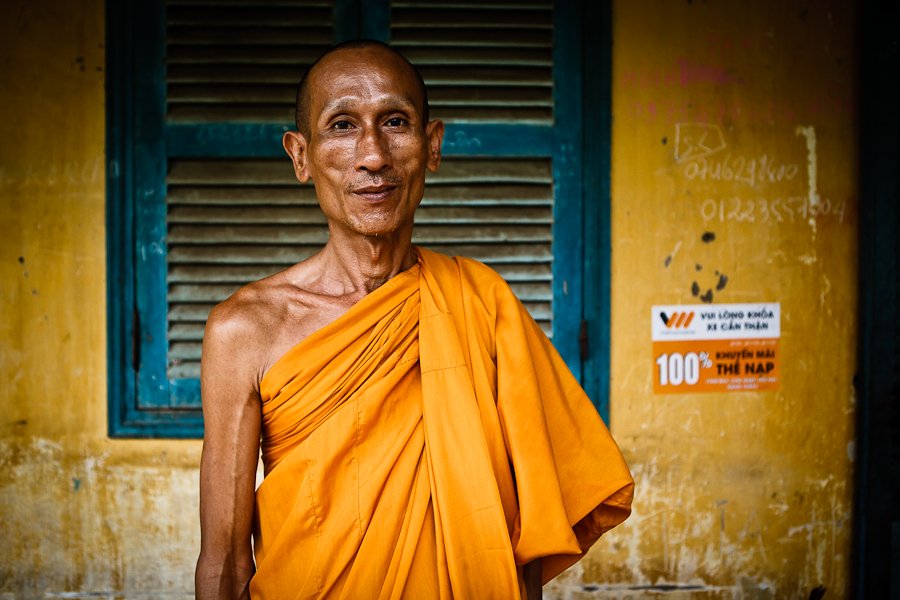
So it was quite fitting that Tra Vinh in southern Vietnam, the southernmost point of my Mekong journey, was another example of this movement of cultures. Although located some way from the present day border with Cambodia, the town and surrounding countryside are home to a sizeable Khmer population, and a number of Khmer temples and monasteries. These pictures were taken in a couple of those temples. The monks I spoke to identified themselves as Khmer, but were also fluent in Vietnamese.



[Follow me on twitter (@jonsanwell). Or don’t. It’s up to you.]
Related posts:
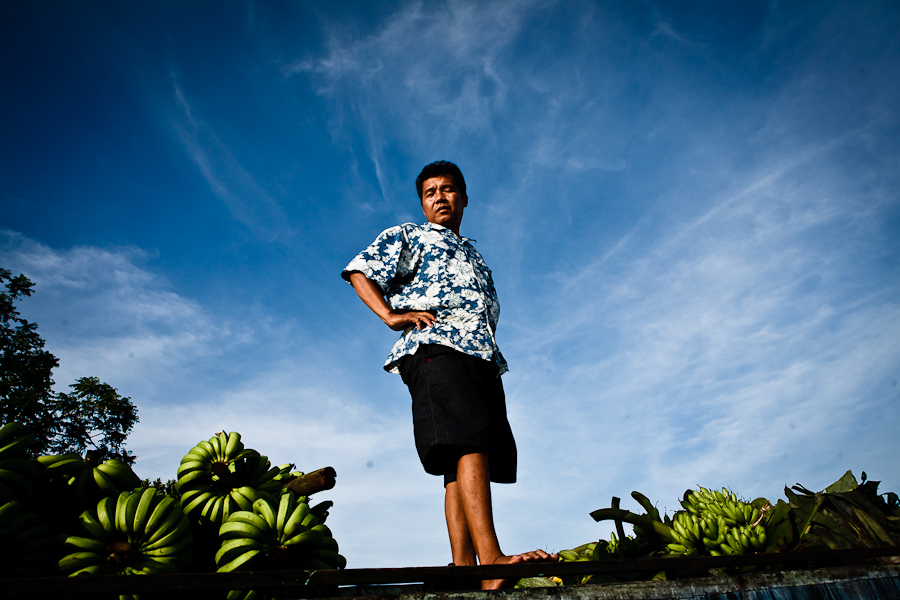
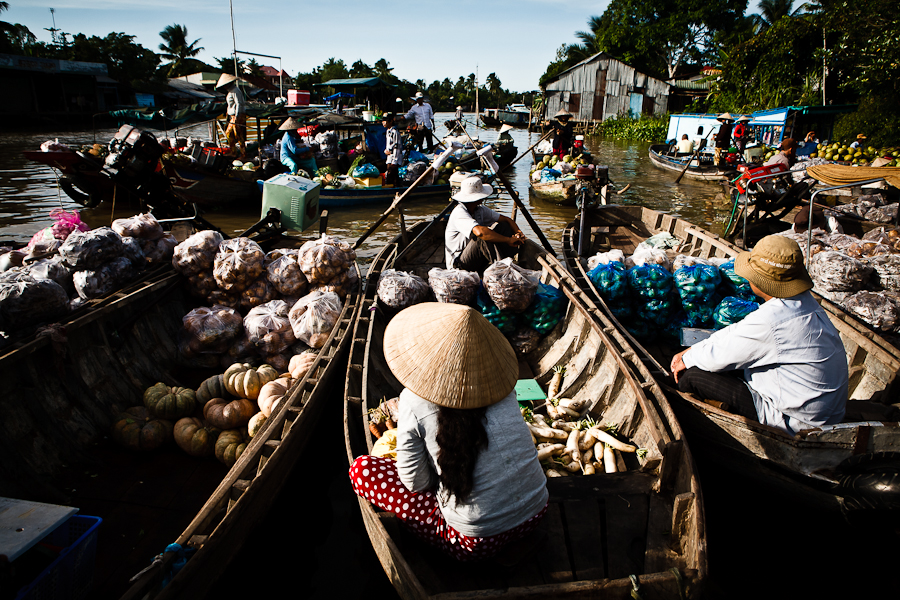
A few pictures from Phong Dien floating market, near Can Tho in the Mekong delta.
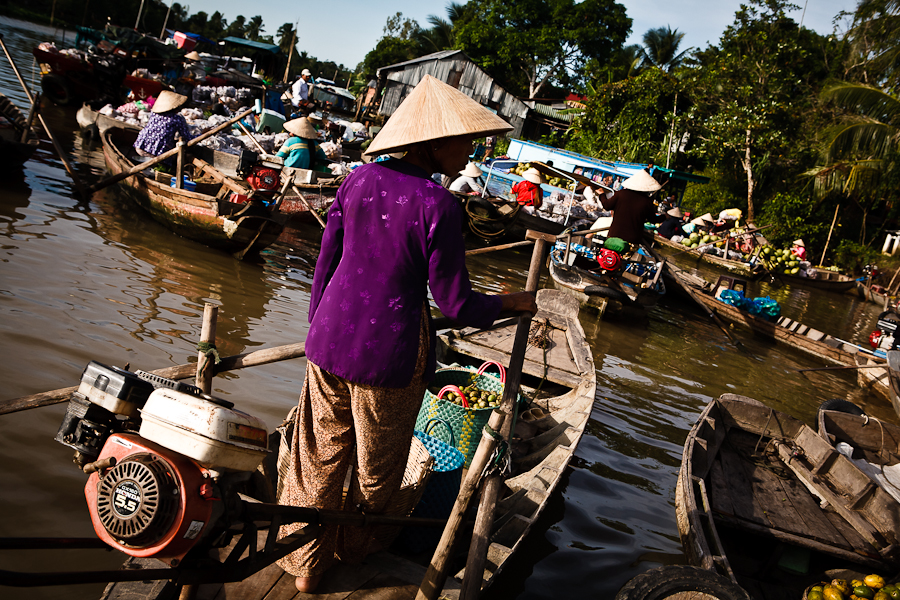
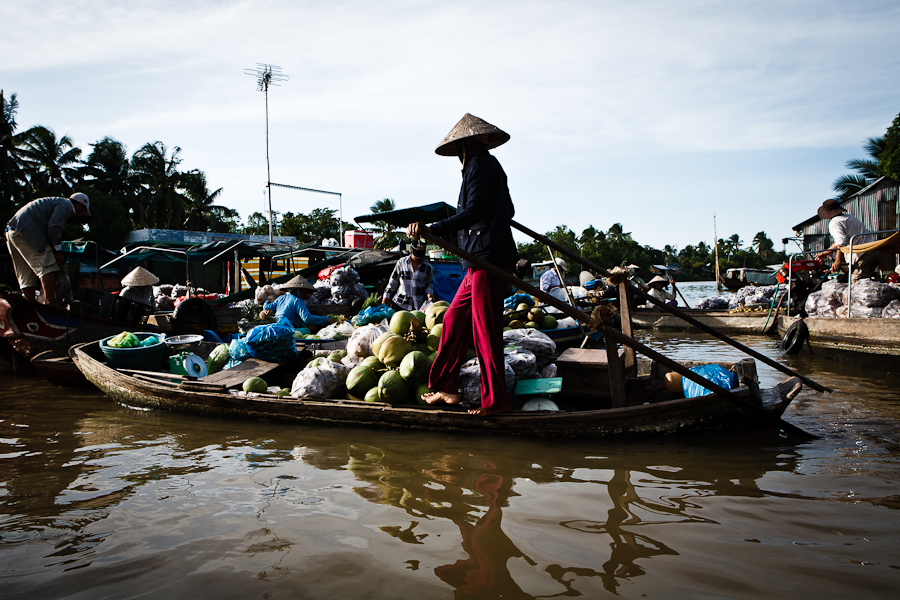
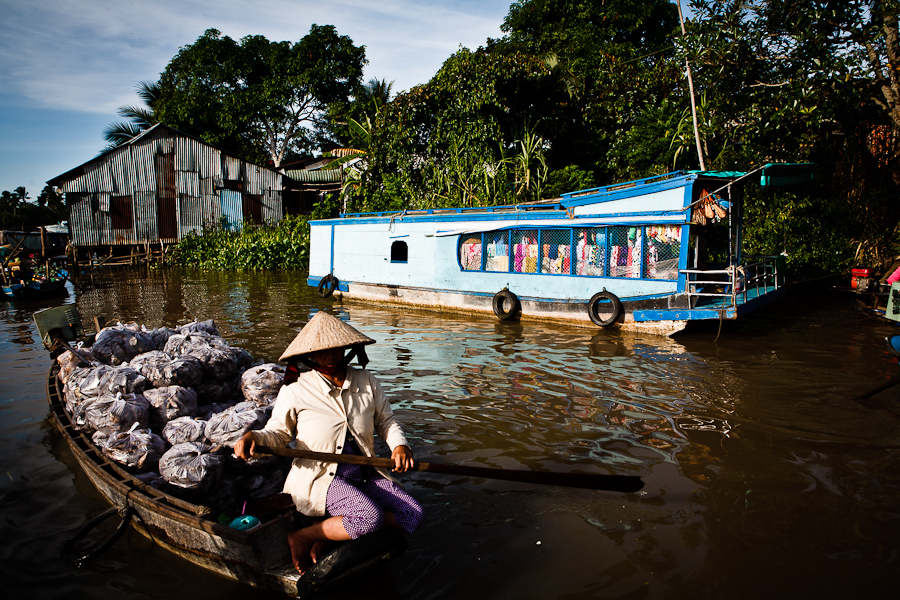
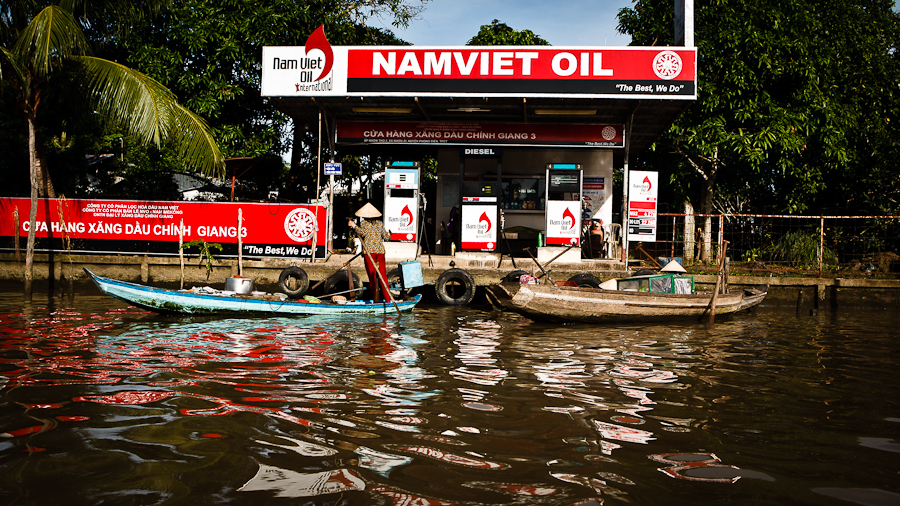
Related posts:

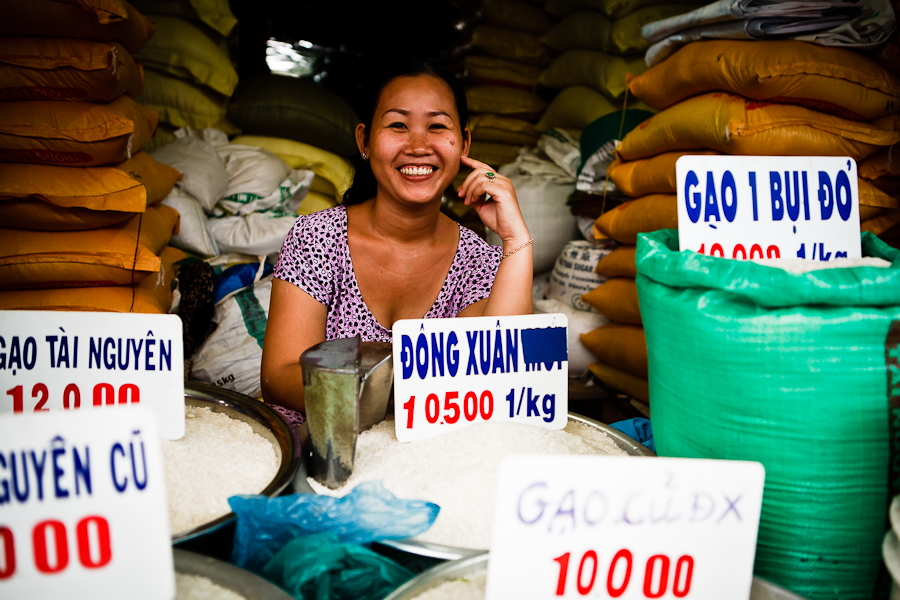
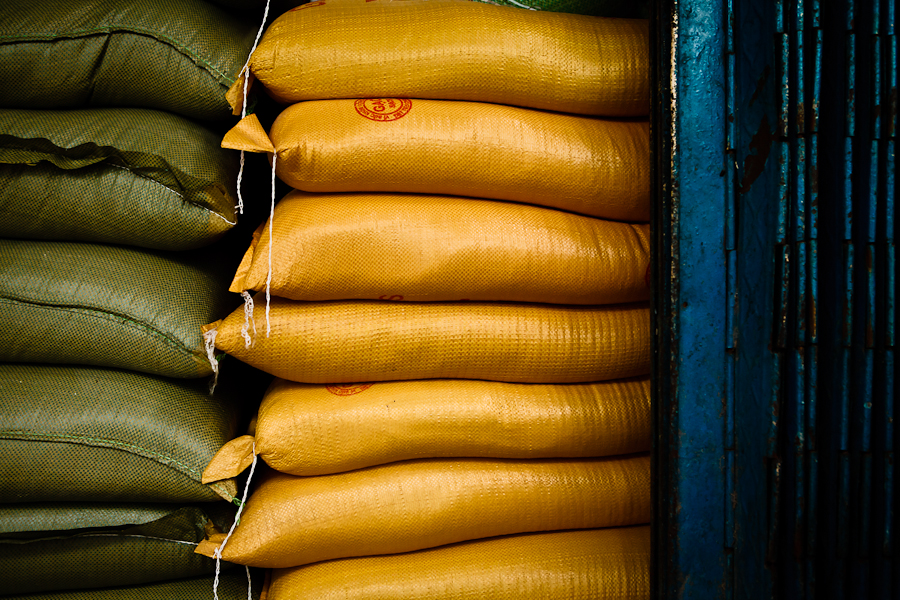
I’ve written before that it sometimes seems as if the women in Vietnam do all the hard work while the men just laze about. Like most sweeping generalisations, it’s not entirely true – but there is some truth in it, as I think the picture above illustrates.
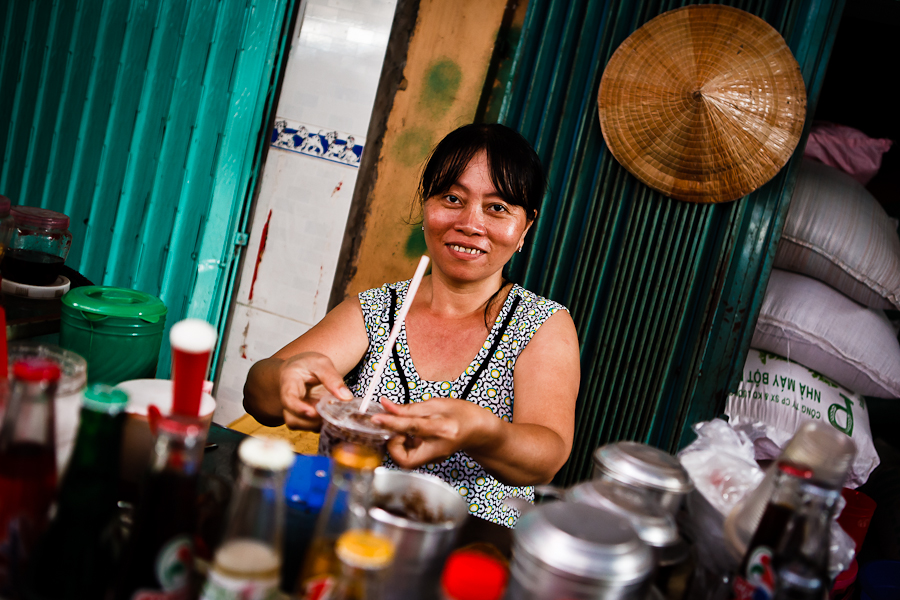
These pictures were taken in the Mekong delta town of Vinh Long, mostly in a narrow alleyway in between the market and the river where goods – mostly rice – are traded wholesale.
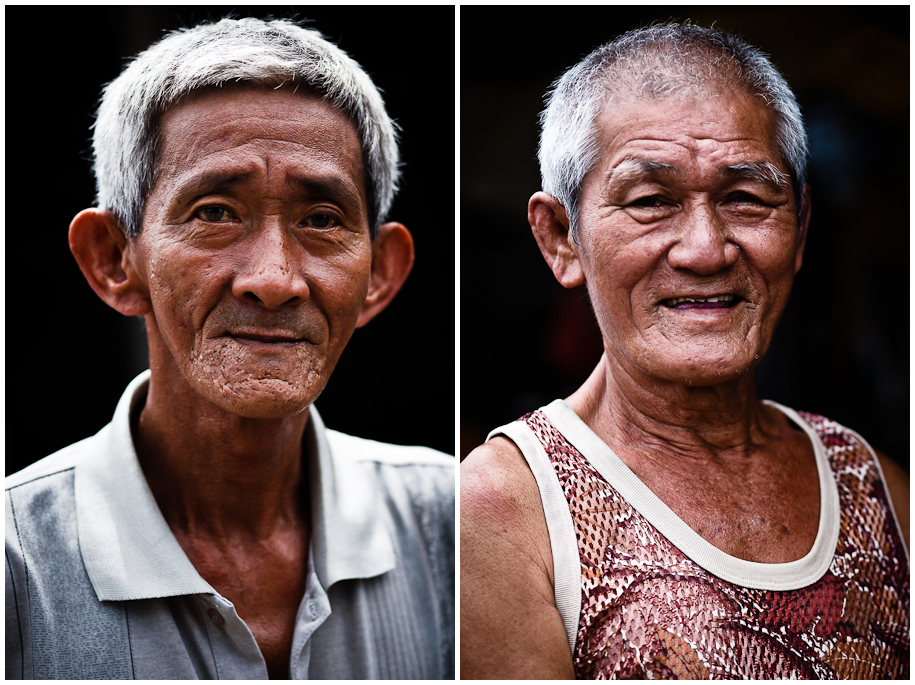


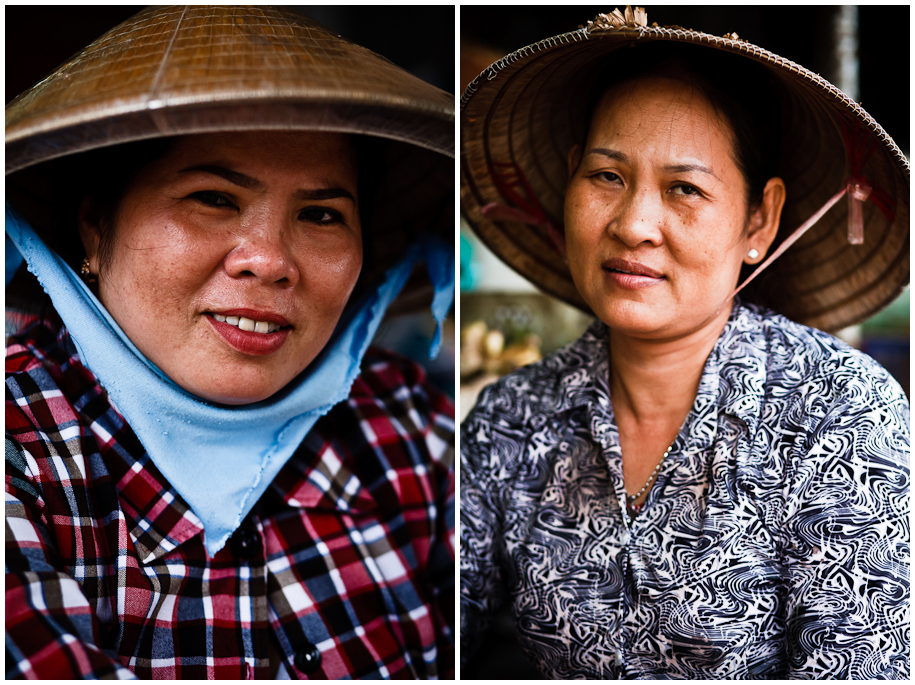

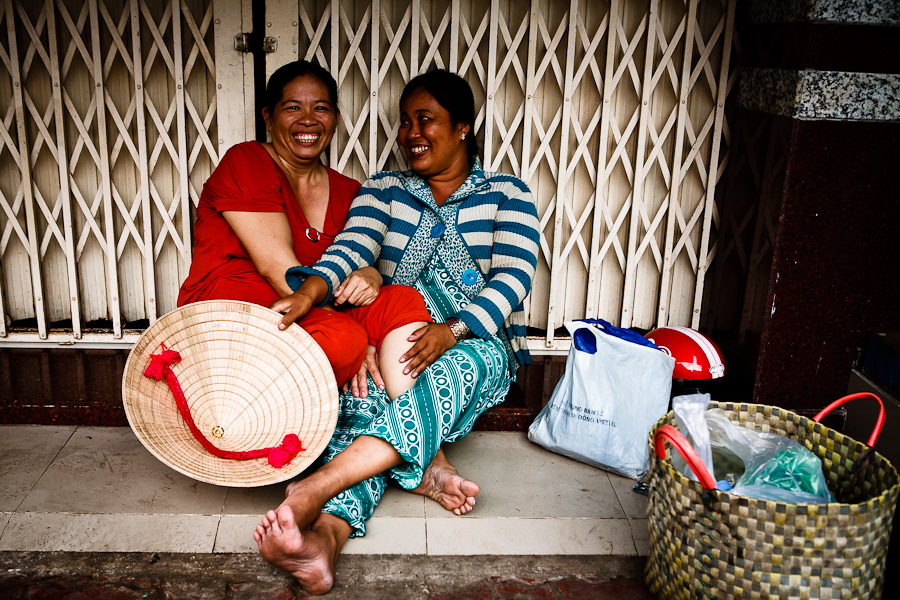
Public displays of affection between men and women are quite rare among Vietnamese people – in daylight at least – but it’s not unusual to see friends of the same sex, men or women, holding hands or being otherwise touchy-feely. I’m not sure if these two were laughing at me, at each other, or at something else entirely.
(Taken last month in Vinh Long, in the Mekong delta)

Regular readers will know that I’ve spent the last three and a half months or so following the Mekong river from Yunnan province in China, through Laos and Cambodia, and into the Mekong delta in the south of Vietnam. That trip has now come to an end, and it’s time for me to get back to real life, and the business of finding a job and somewhere to live. And that’s where a big change comes in: having lived in Saigon since the end of 2011, I’m moving back to Hanoi. Hanoi is where I lived for more than two years when I first came to Vietnam, and it’s the place in the country where I feel most at home. People in the south tend to look at me like I’m crazy when I say I prefer life in the north, and it’s not really something I can explain logically; all I can say is that it’s a move that feels right for me.
The pictures above were taken during a quick visit to Hanoi back in April. I might not be posting any new pictures for a while, but there are still more to come from the Mekong trip. I’ll still be taking pictures in Hanoi, but I want to build up a bit of a collection, and get the rest of the Mekong pictures out of my system, before sharing anything new.
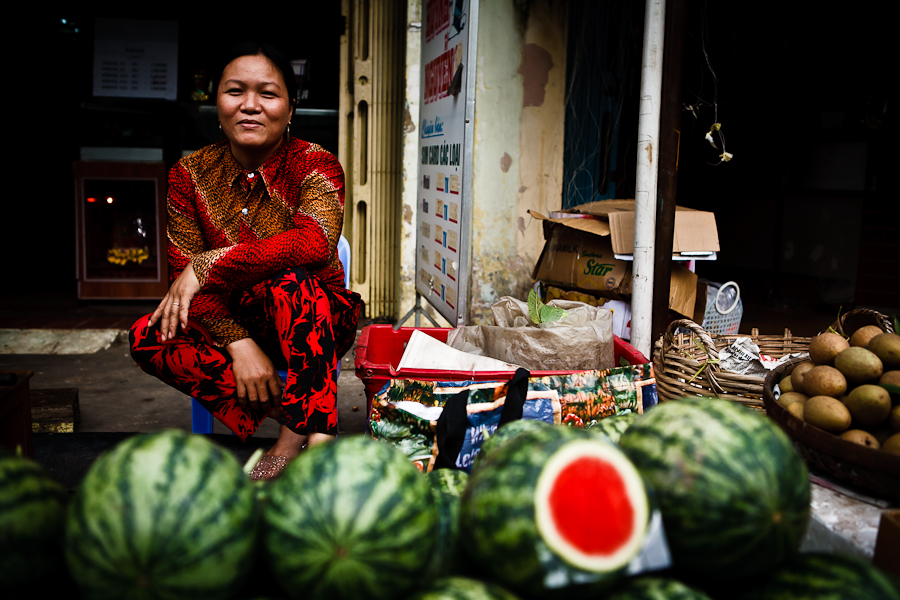
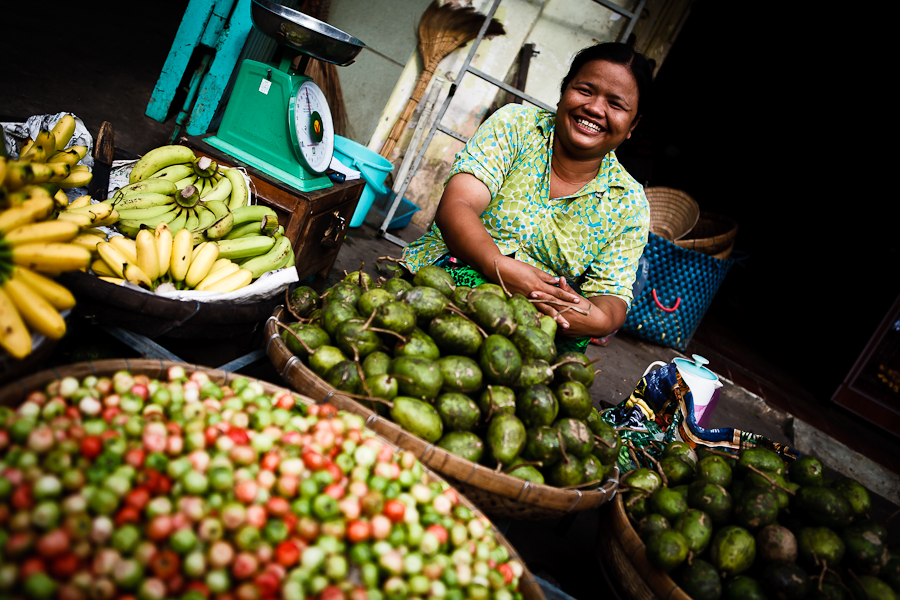
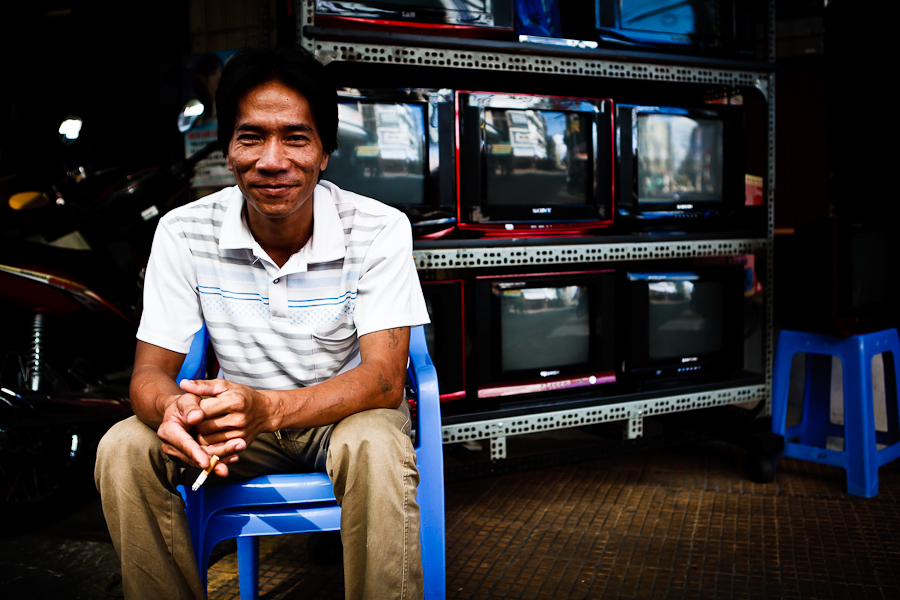
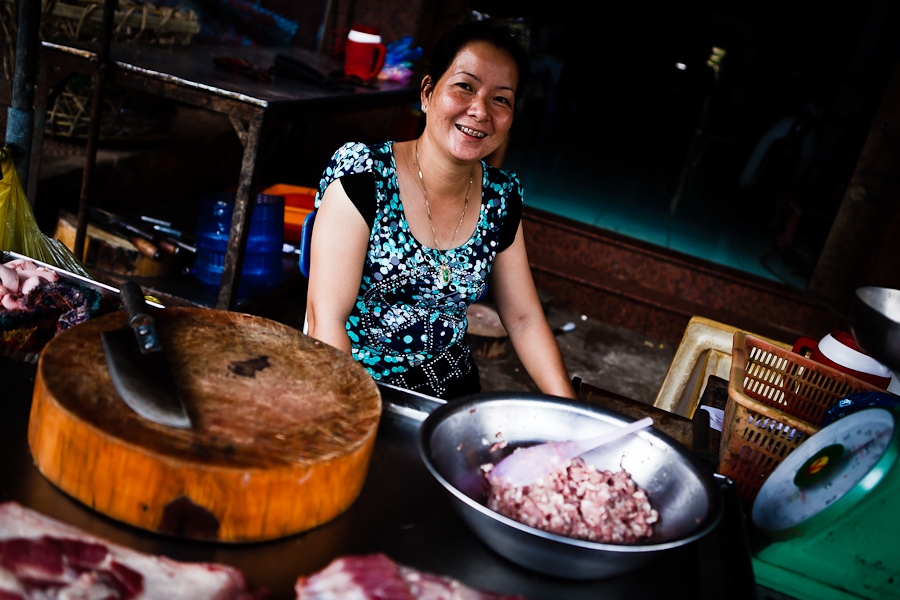
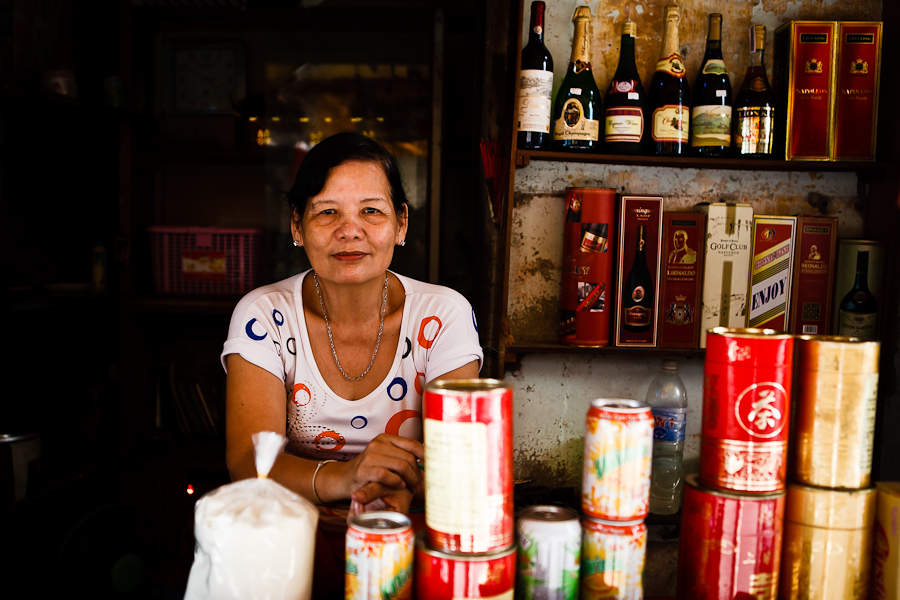
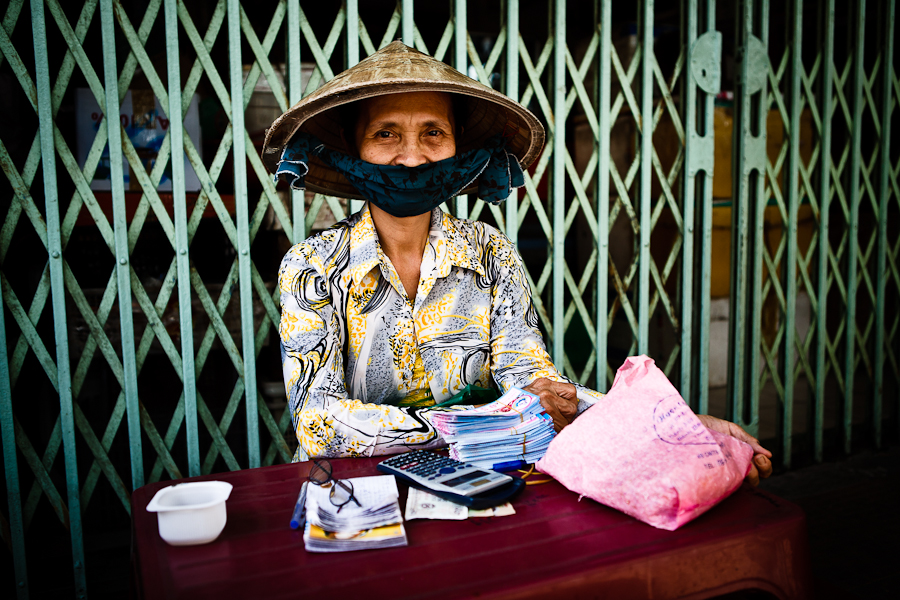
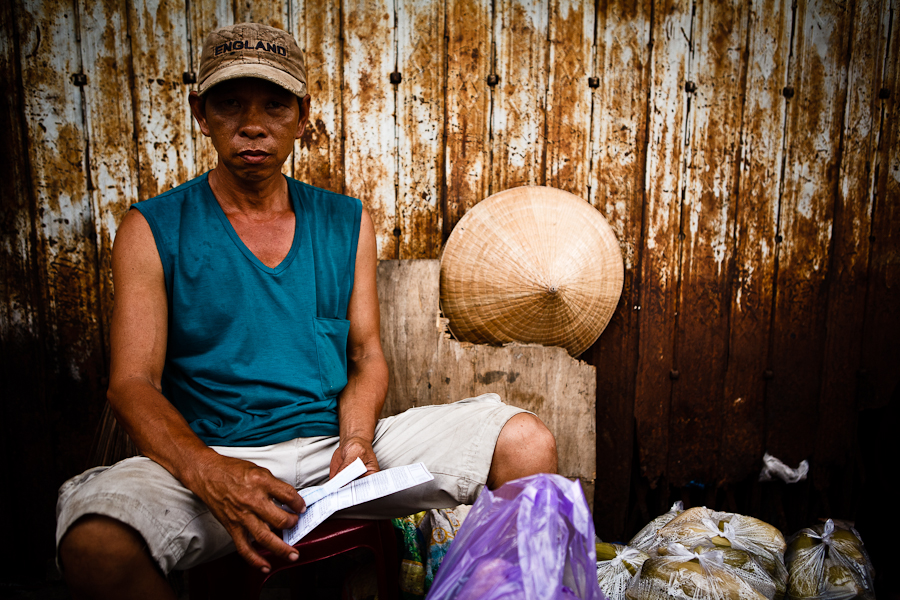
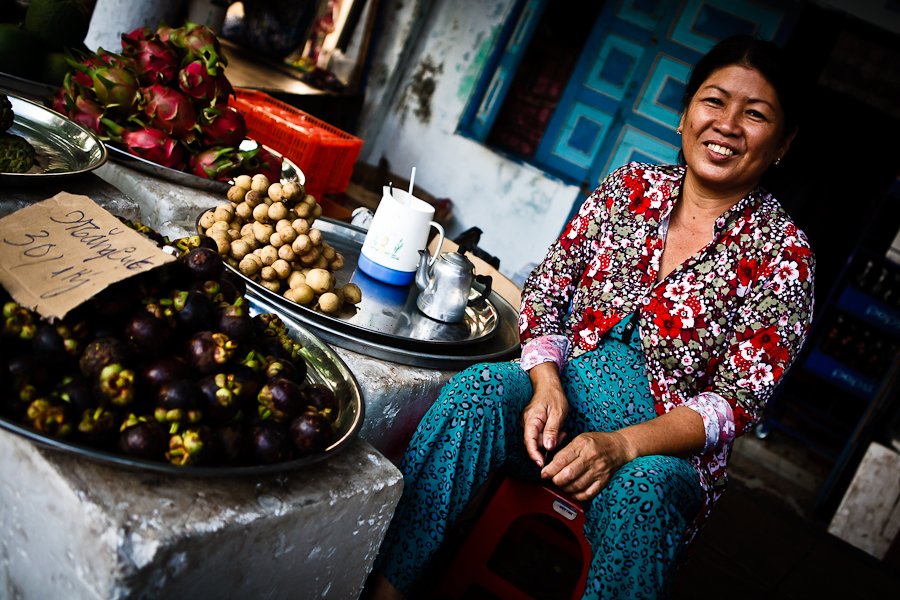
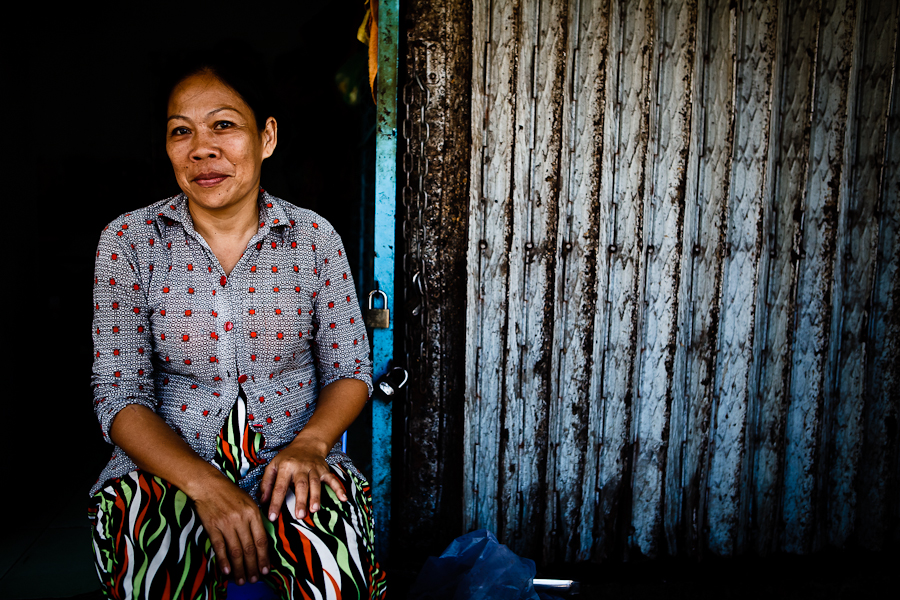
If I could only take pictures in one kind of location, it would be the streets and markets of Vietnam. Can Tho, the main city of the Mekong delta, is best known for the nearby floating markets, but the dry land city streets are where I found the pictures that I like the most. While I enjoyed the experience of visiting the floating markets by boat, I didn’t come back from those trips with the pictures that I wanted. Maybe I’m just more comfortable with solid ground beneath my feet, being able to move where I want, rather than having to make the best of the boat’s position.
I spent a fair amount of time in Can Tho relaxing on the waterfront, watched over by a giant statue of Uncle Ho, but found time in the early mornings and late afternoons to wander the nearby side-streets and markets. I seem to have been particularly drawn to strong reds, greens and blues during my stay. The original old market building now houses a riverfront restaurant and assorted souvenir stalls, so the market for fresh meat, fish, fruit and vegetables has spilled out onto the adjacent streets.

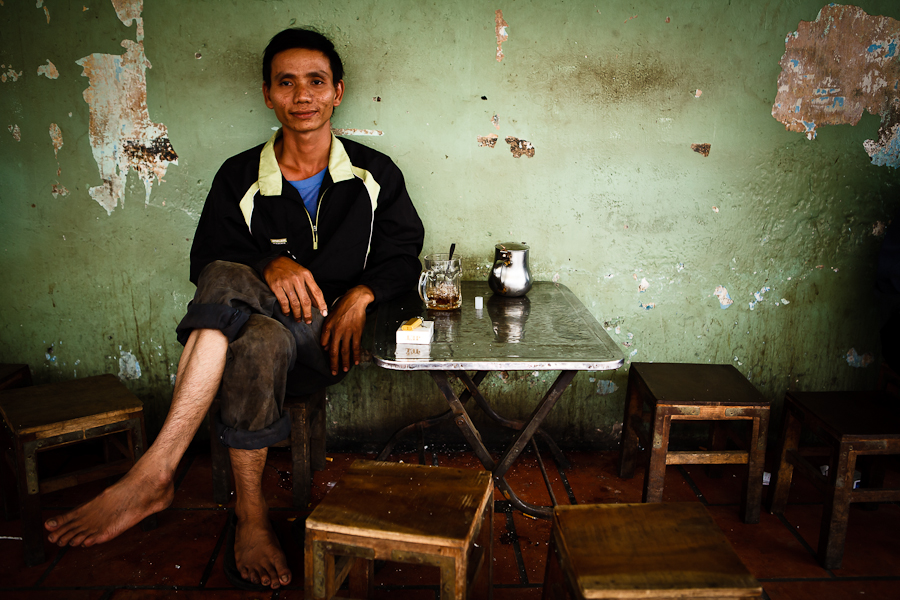
Related posts:

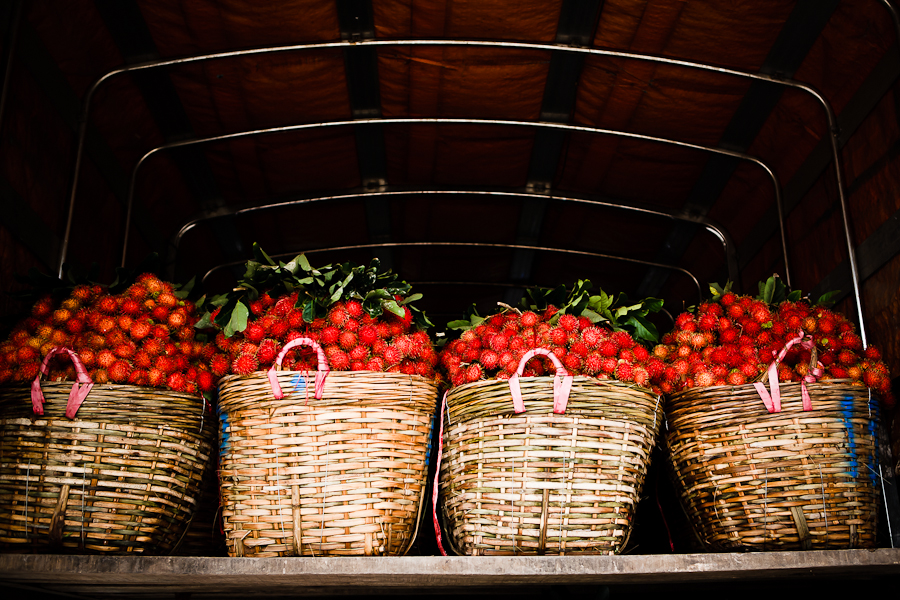
… but they might be the most photogenic. I got a little obsessed with the little hairy blighters while in Vinh Long, the rambutan capital of Vietnam (probably).
Oh, and they taste nice as well, very much like lychees.
[And apologies to email subscribers who received a draft version of this post without any pictures in it.]


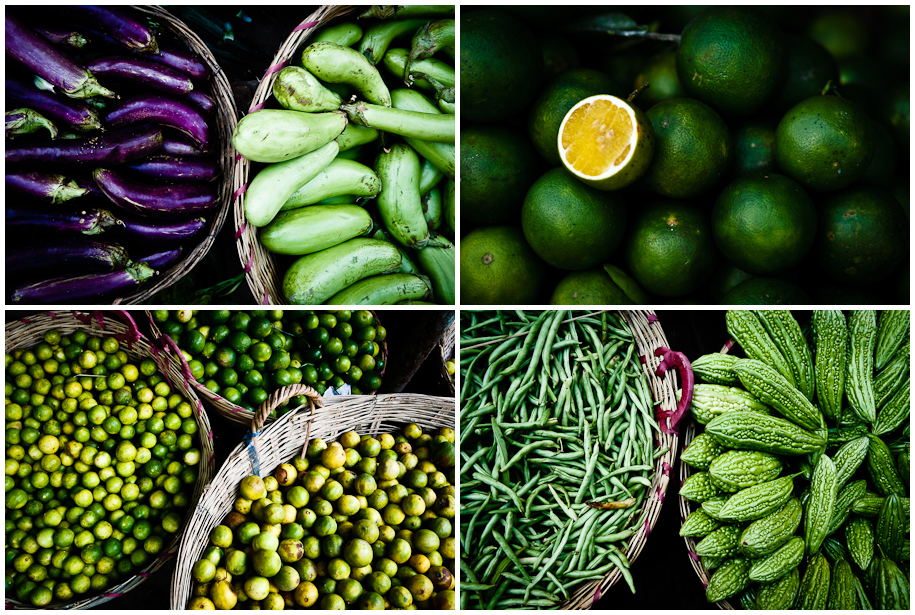
Can Tho market, Mekong delta, Vietnam
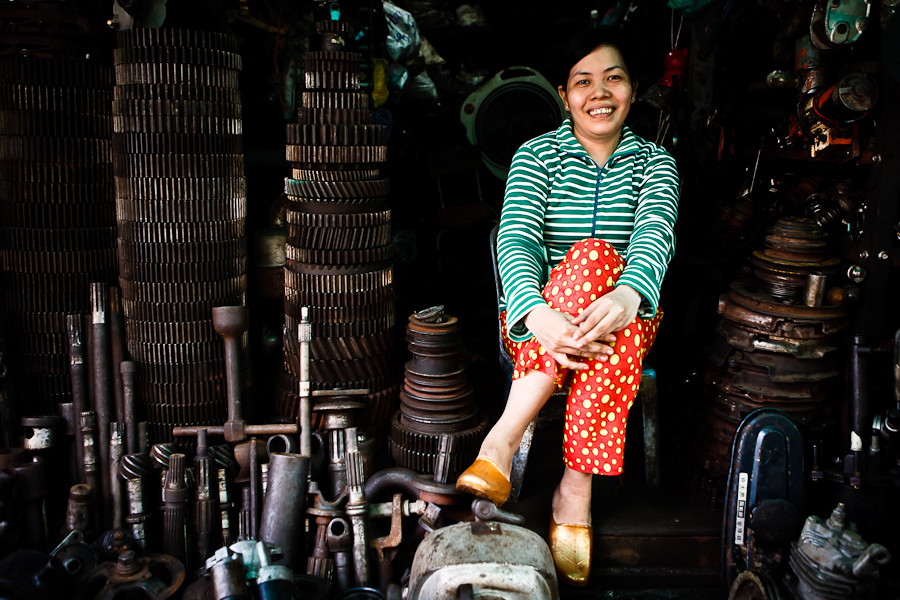
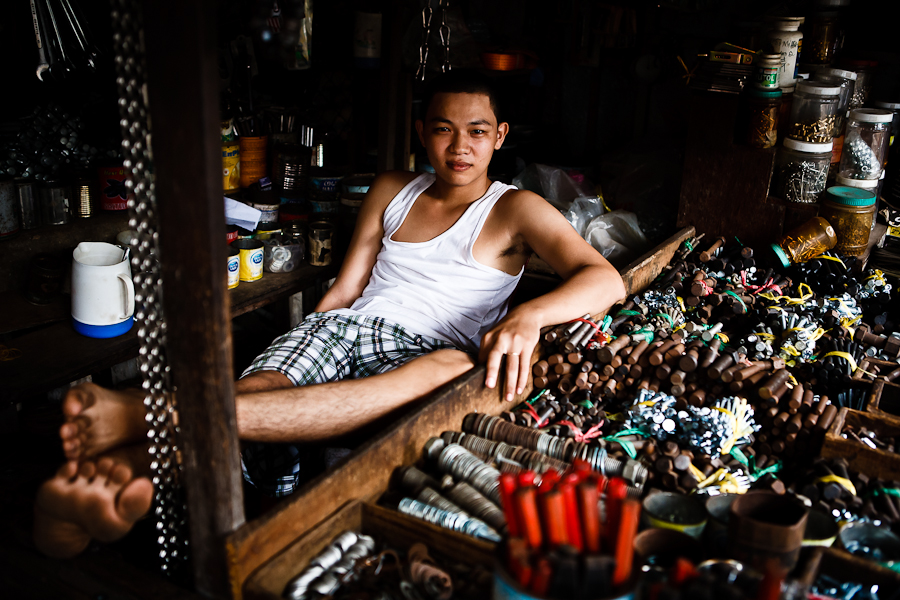
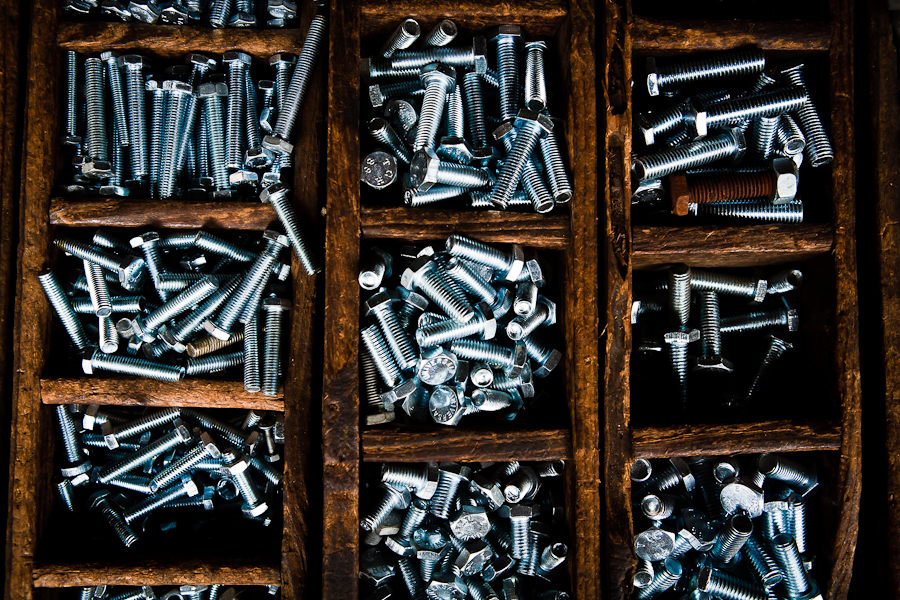
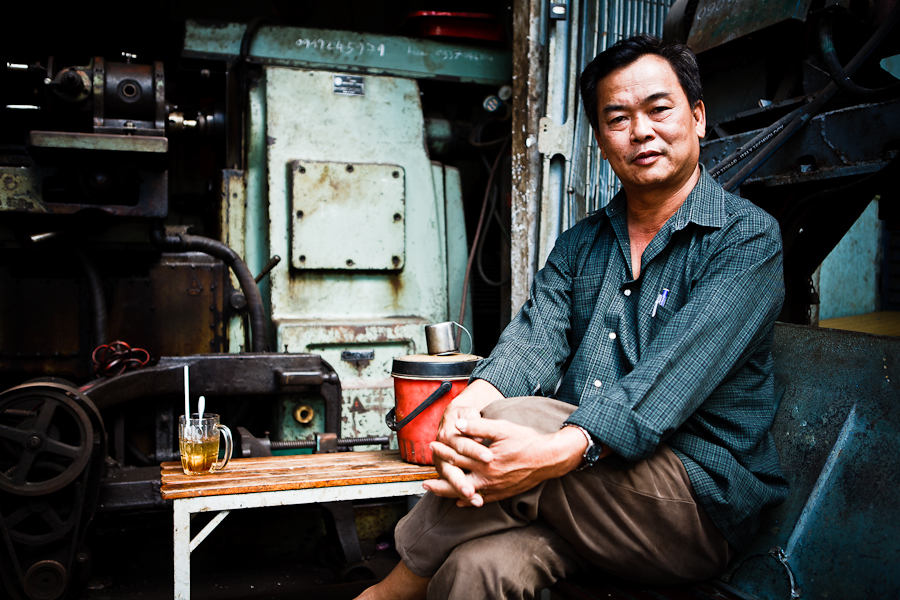
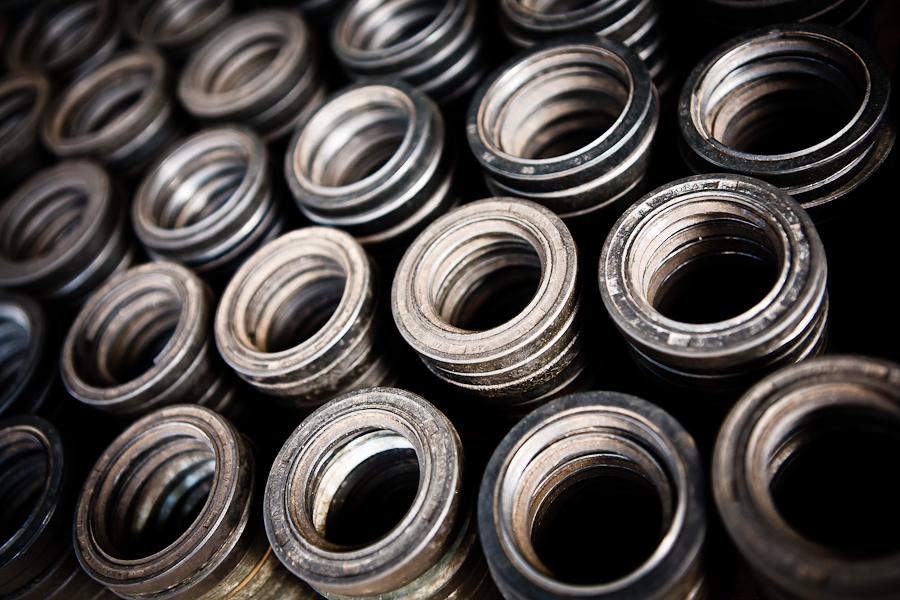
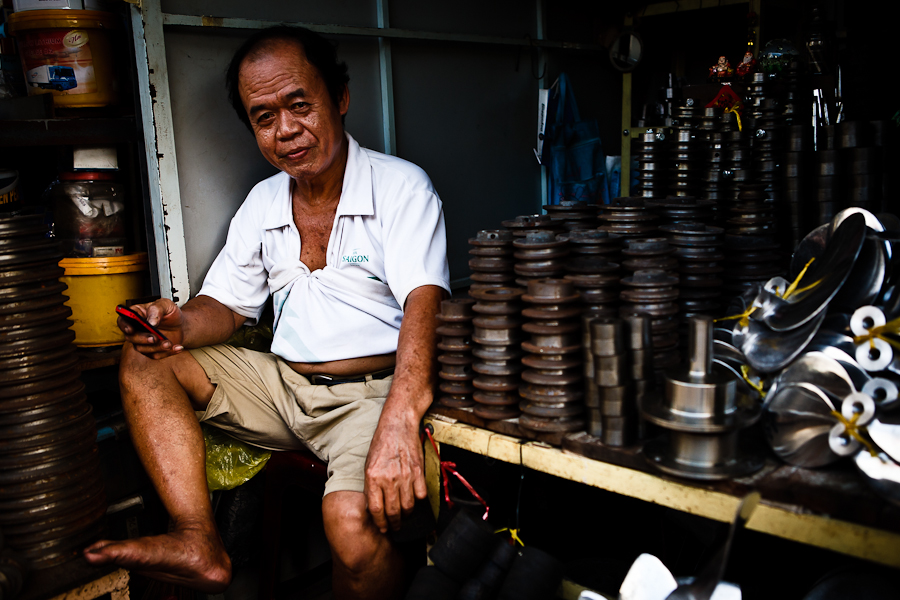
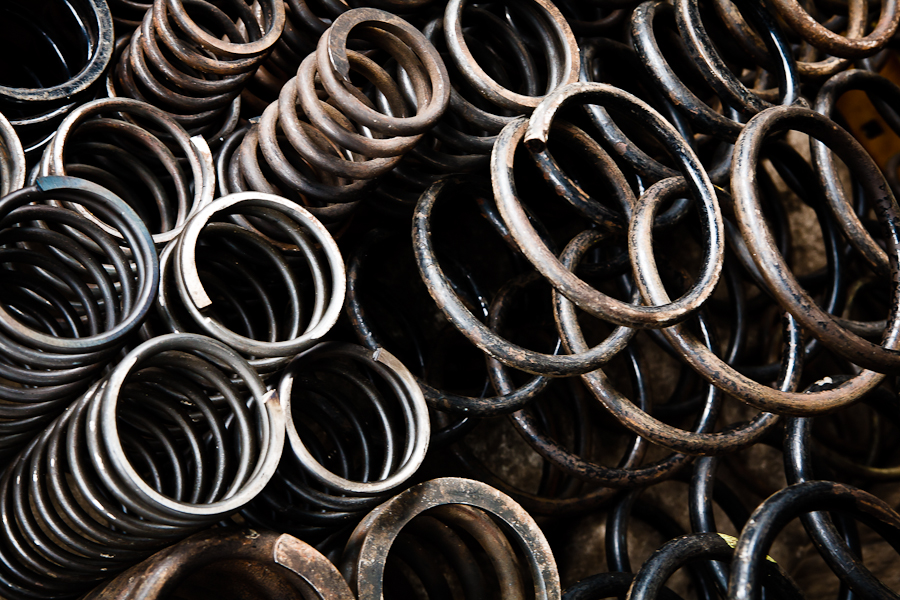
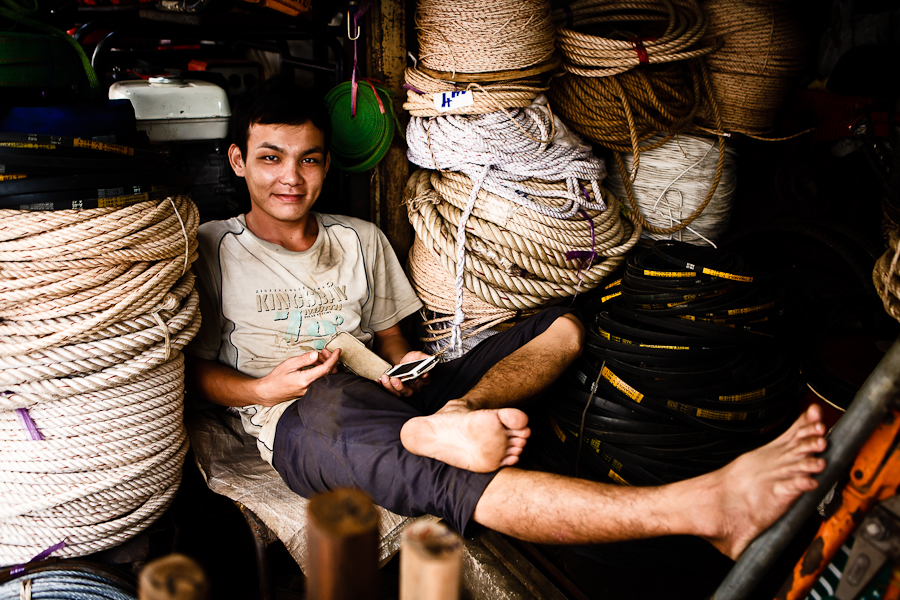
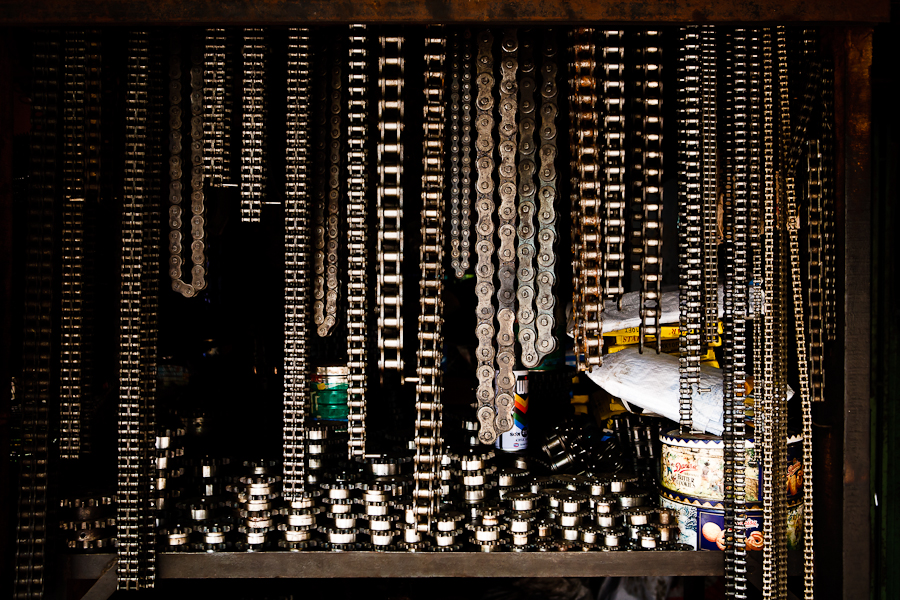
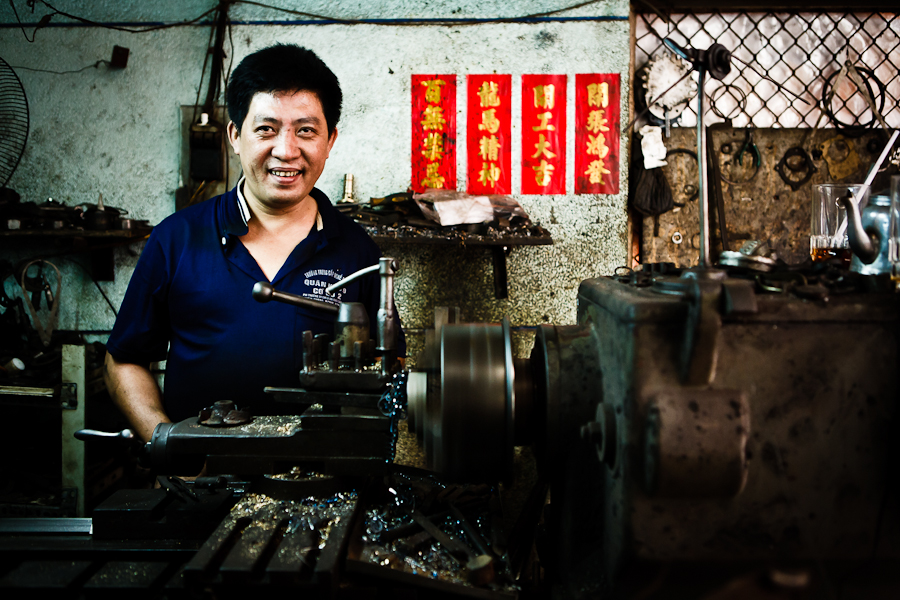
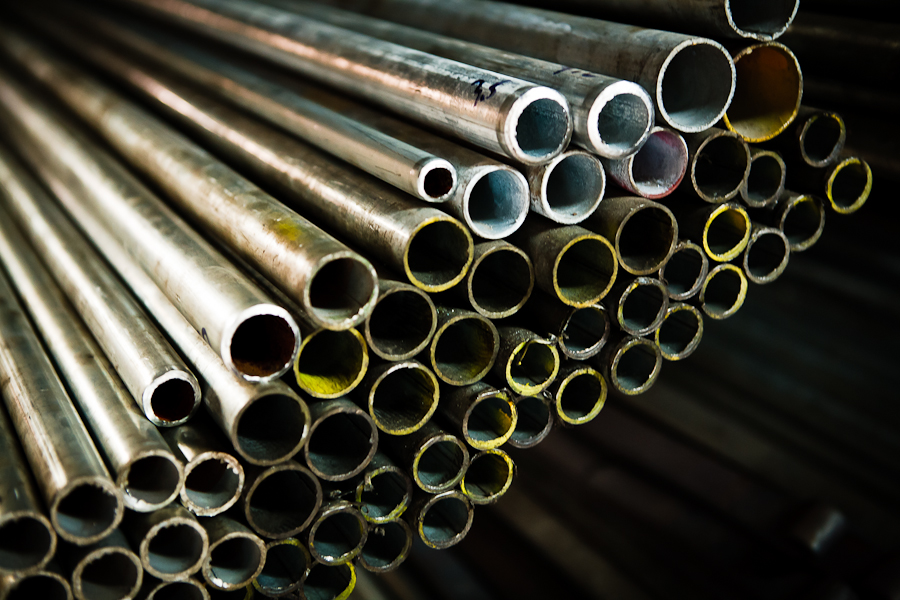
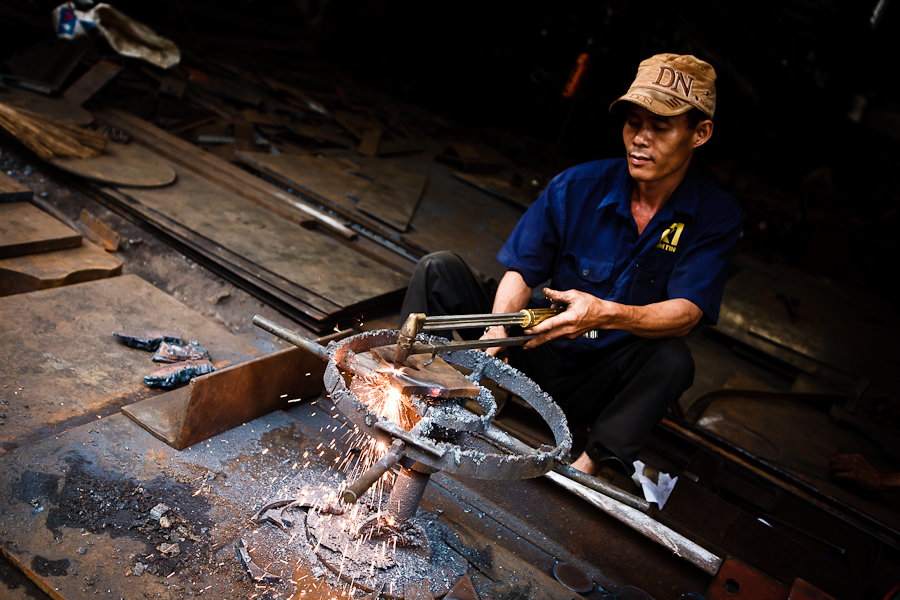
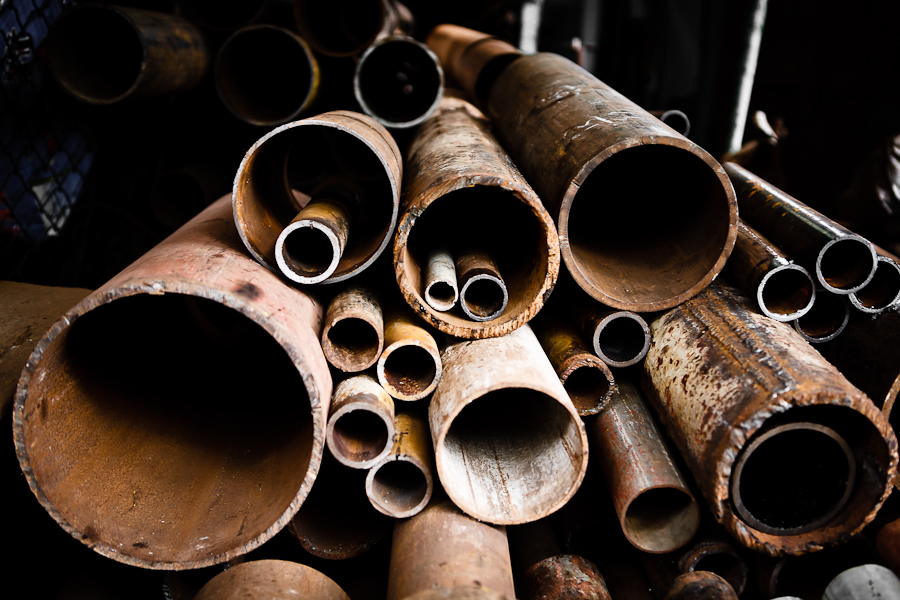
Every town and city in Vietnam has at least one metal street, where you can buy engine parts, rivets, girders and other metal things I don’t know the names of. Can Tho’s metal street is actually two fairly short, very narrow intersecting alleyways, a stone’s throw and a million miles from the scenic waterfront. Sparks fly. Buzzing and clanging sounds fill the air. Tiny, cramped booths offer all manner of hardware for sale, and men – it’s nearly all men – saw, weld and solder in open-fronted workshops.


Related posts:
 Without an H