Checkmate

I could post a whole series of pictures of men playing checkers in the street – and perhaps I will at some point – but for now, here’s just one photograph from Can Tho.
I could post a whole series of pictures of men playing checkers in the street – and perhaps I will at some point – but for now, here’s just one photograph from Can Tho.

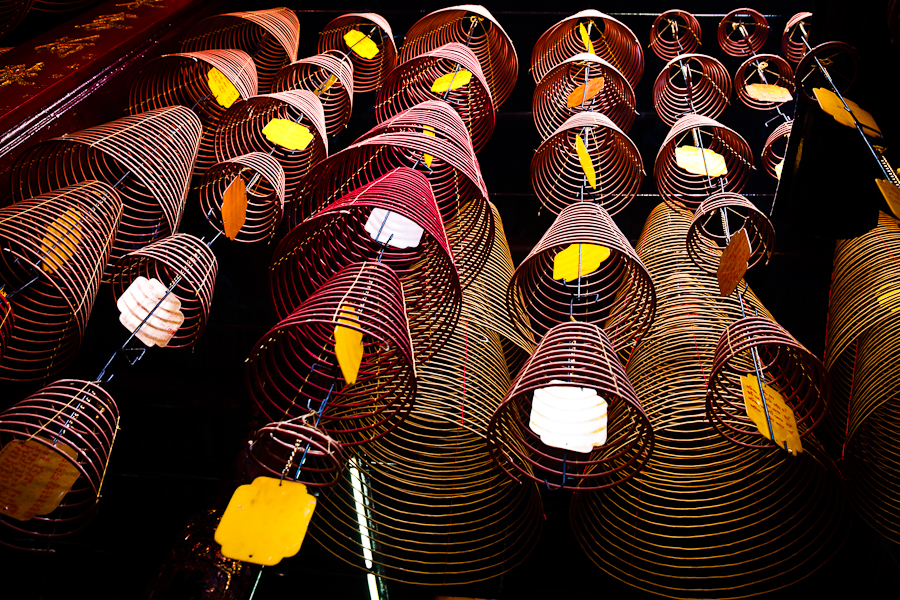
Cantonese Congregation Pagoda, Can Tho


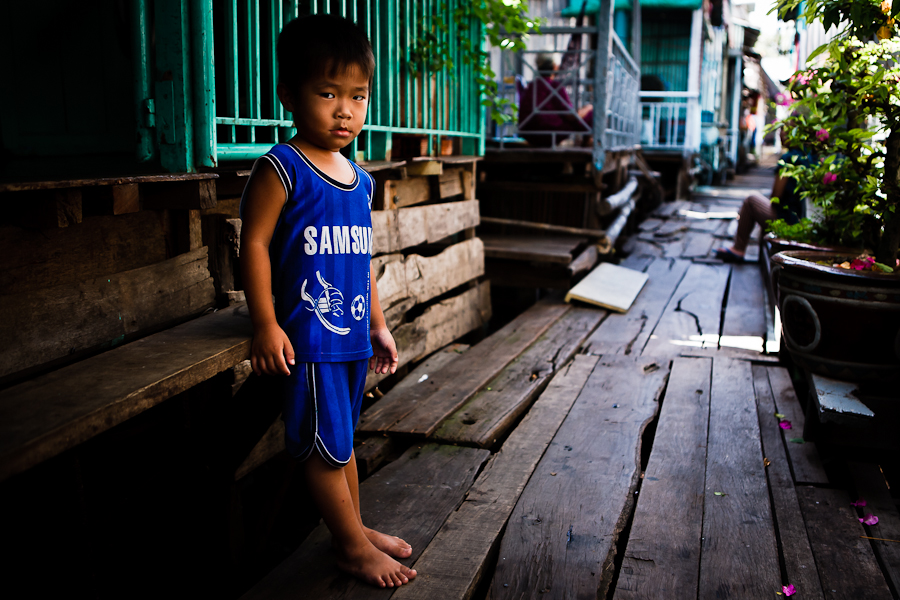
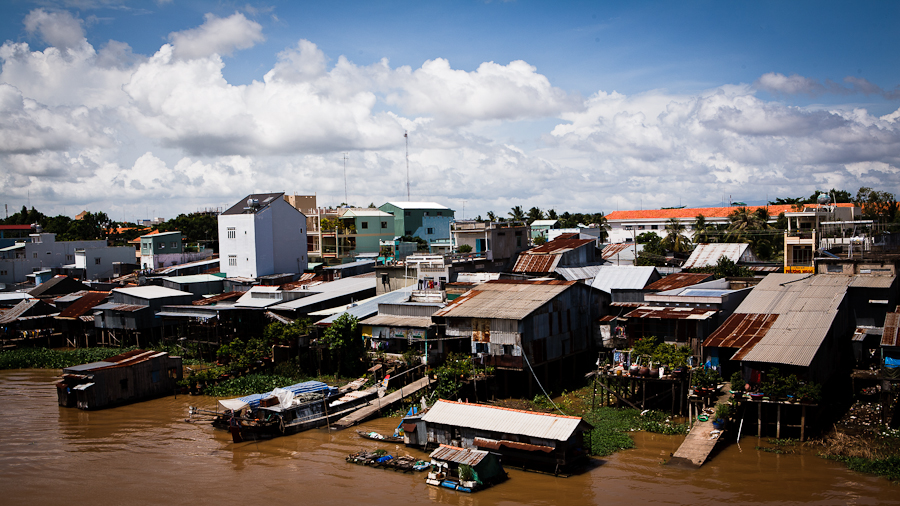
When I come to look back on this trip, some of my best memories will be from Chau Doc. It’s a riverside town, sitting on the banks of the Bassac – also known as the Hau – river, a branch of the Mekong (which gets very complicated round these parts). Many families depend on fishing and river trade for their livelihoods, and whole communities live in stilt houses that hover perilously over the water. These neighbourhoods look ramshackle and fragile from a distance, and life here is certainly far from luxurious, but there’s a tangible sense of community in these narrow alleyways. I guess that you have to get along with your neighbours when you live so close together, and the climate obliges you to spend much of your time outdoors. Hammocks are suspended in porches, a mirror image of their opposite neighbours, just feet away. The exterior walls are made of corrugated metal, but the homes inside are spotless and the people houseproud.
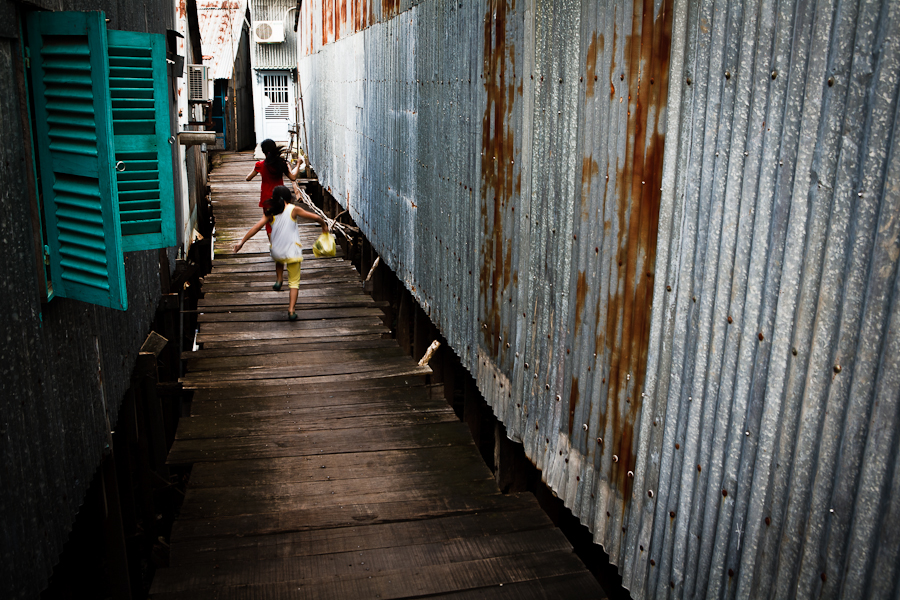
The alleyways themselves are built on stilts and sway slightly underfoot.

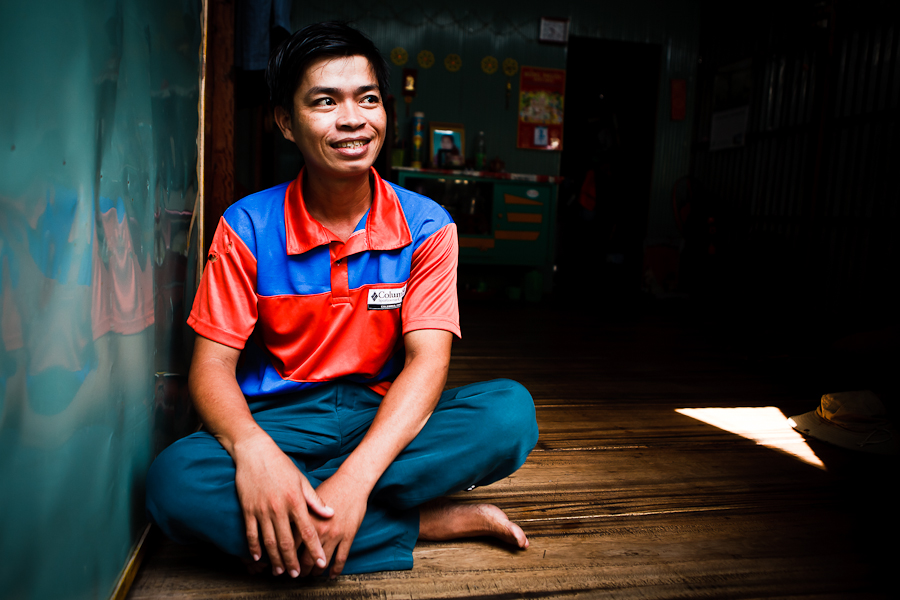
Loitering at the dry land end of one of these alleyways, camera in hand, I suddenly found myself with a new friend. The nice man above gestured for me to follow him. He showed me his home, and introduced me to his neighbours. The camera creates wonderful experiences for me sometimes.

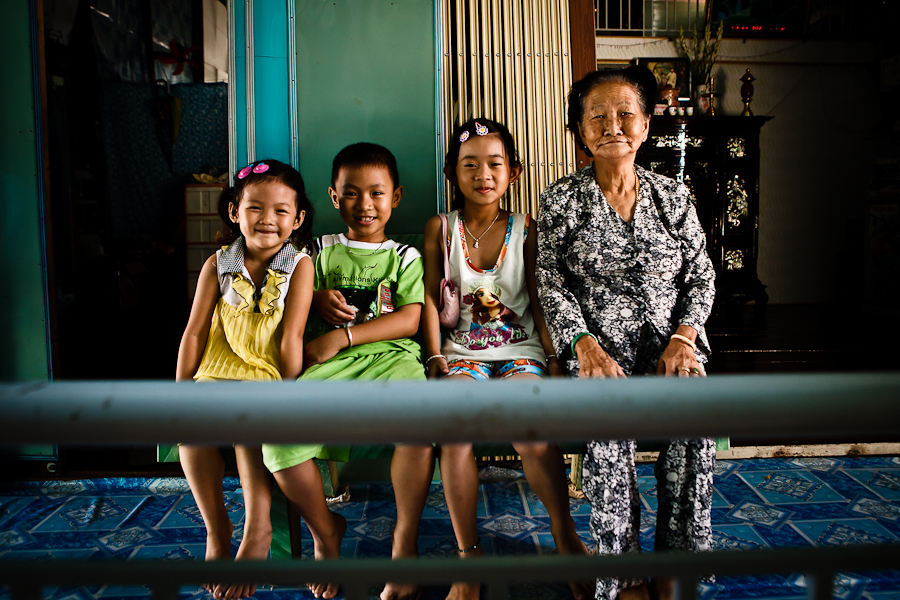
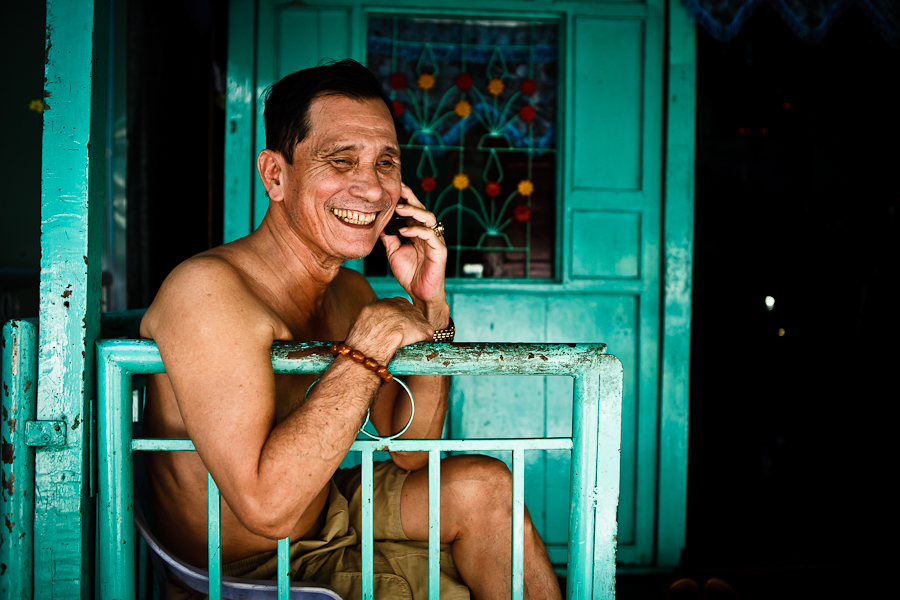
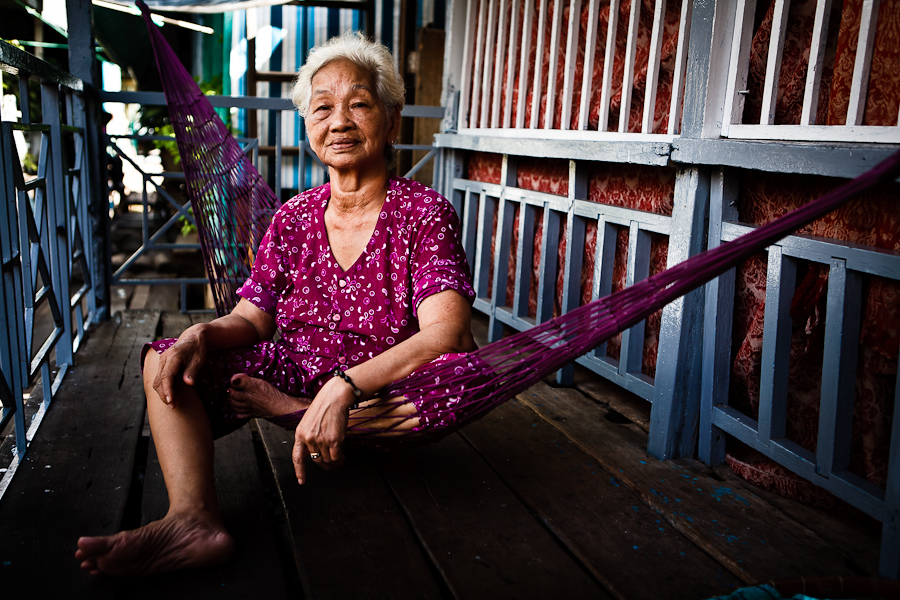
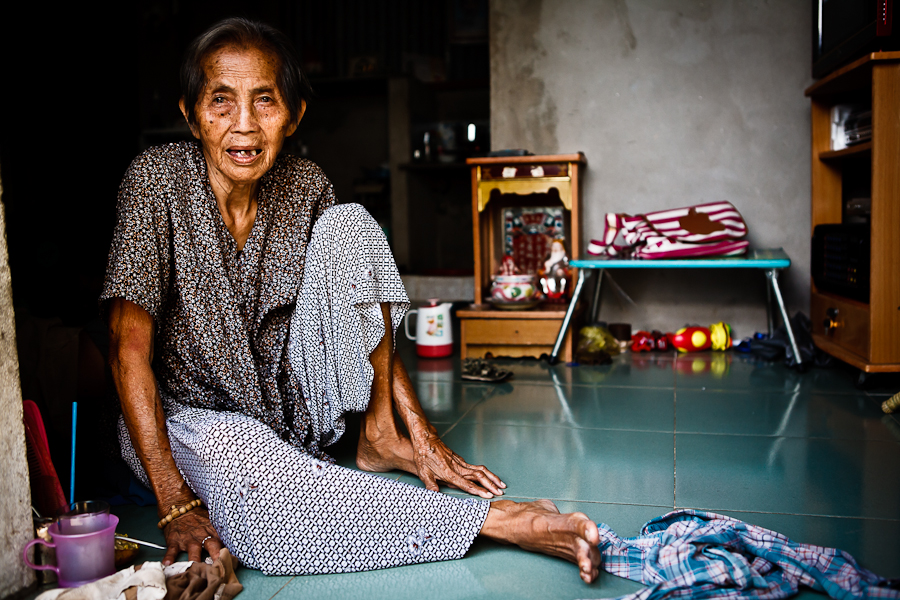
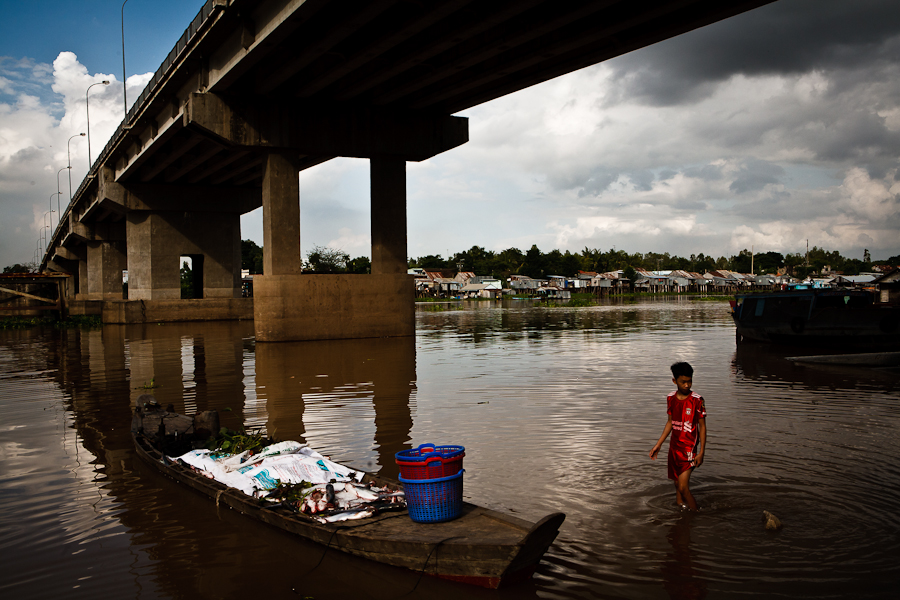

More pictures from the very splendid town of Chau Doc, in the Mekong delta in southern Vietnam.
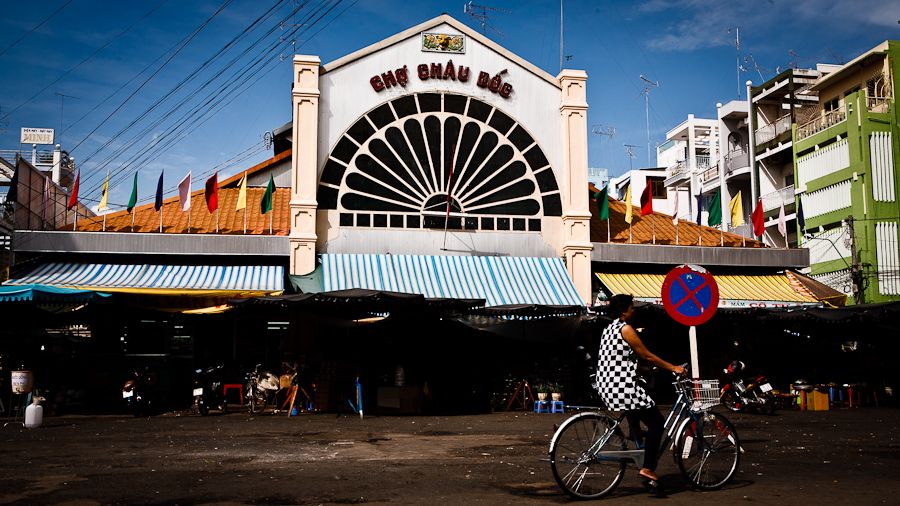


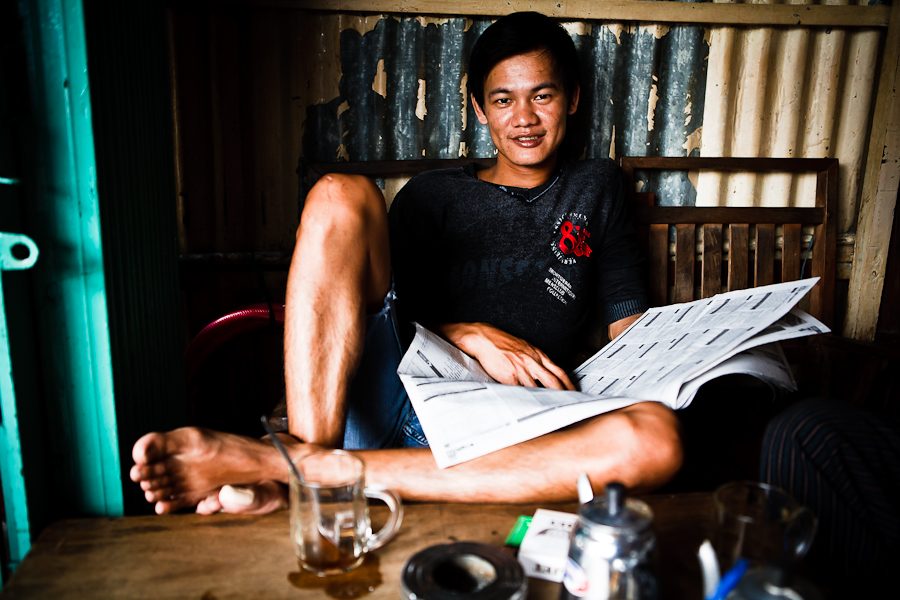


Don’t tell everyone, but Chau Doc is one of the finest places in Vietnam. Near the Cambodian border, it’s a riverside market town with a mix of Vietnamese, Khmer and Cham people. The buzz about the town is recognisably Vietnamese, but is tempered by a distinctly Cambodian laidbackness.
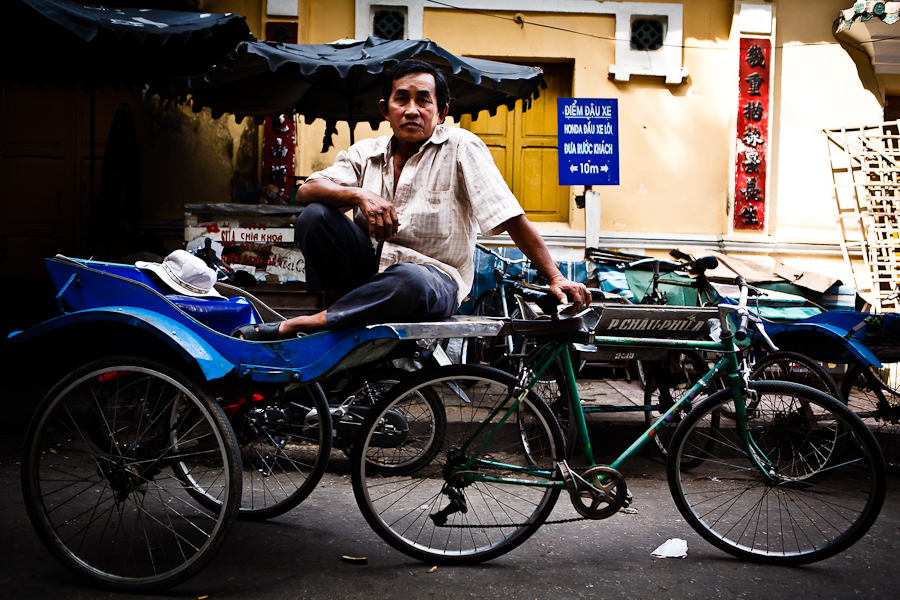
You can taste the blend of cultures in the food. The town’s signature dish, bun ca (a fish noodle broth, sold in Saigon as bun ca Chau Doc) is Vietnamese street food with a Cambodian twist. I ate some every day. Cyclos are a common sight and, unlike in Ho Chi Minh City and Hanoi, where they are now mainly the preserve of newly arrived tour groups, in Chau Doc they are commonly used by local people as a way of getting from A to B.
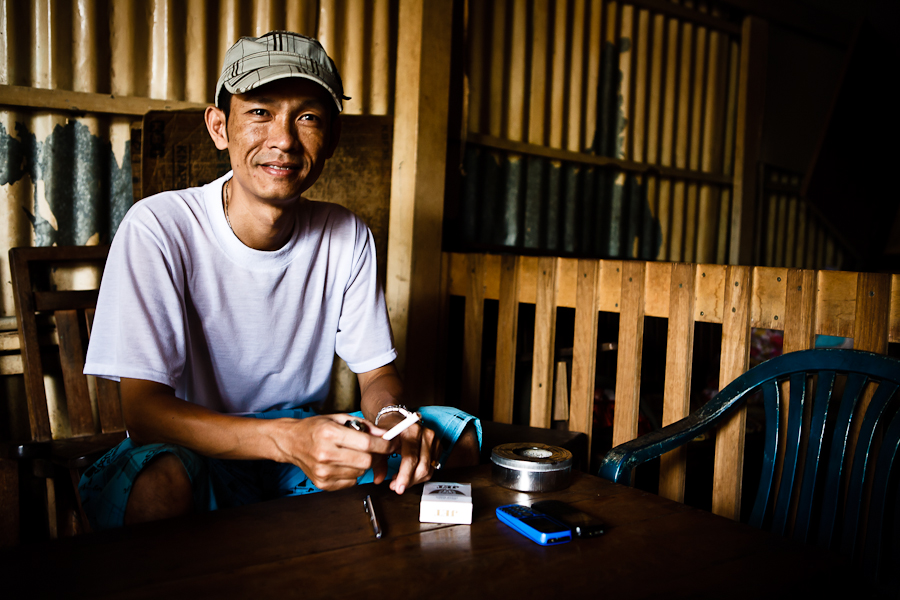
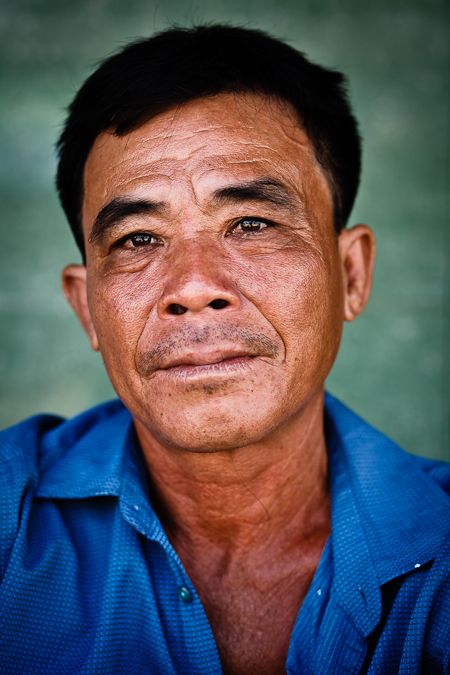
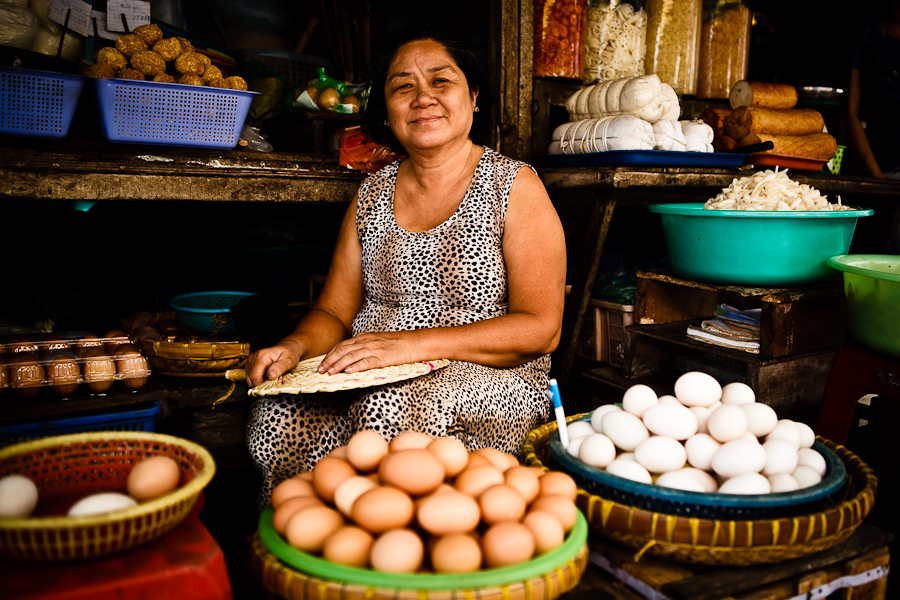
In some places, you have to work quite hard to get people pictures, but not in Chau Doc, where the people are some of the warmest and most hospitable that I’ve come across. I’ll be posting some more pictures soon; this first post concentrates on the people in the market and on the streets.





Related posts:

I’ve interrupted my Mekong trip to make a quick detour back to Saigon, so that I could say goodbye to some good friends who are leaving Vietnam to go home to Scotland. One of the best things about the expat life is the friends you make. One of the worst things is having to say goodbye to them. Ian and Helen, this one’s for you.
These portraits were taken in Chau Doc, my first stop back in Vietnam on this trip. It’s a market town in the Mekong delta, just over the border from Cambodia, and a fantastic place for people photography. This super-friendly mother and son not only were very happy to be photographed, but also insisted on me joining them for a sit down and a cup of iced tea.
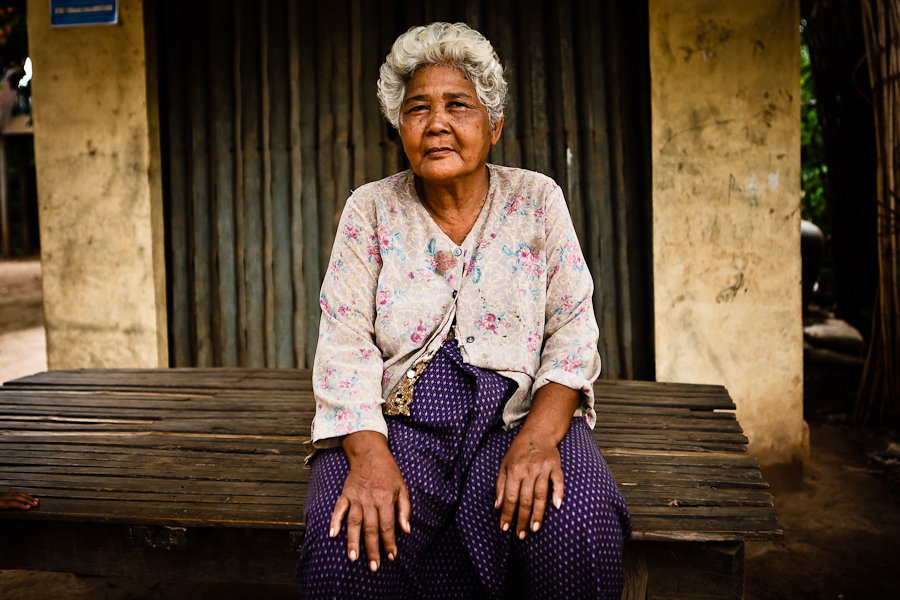
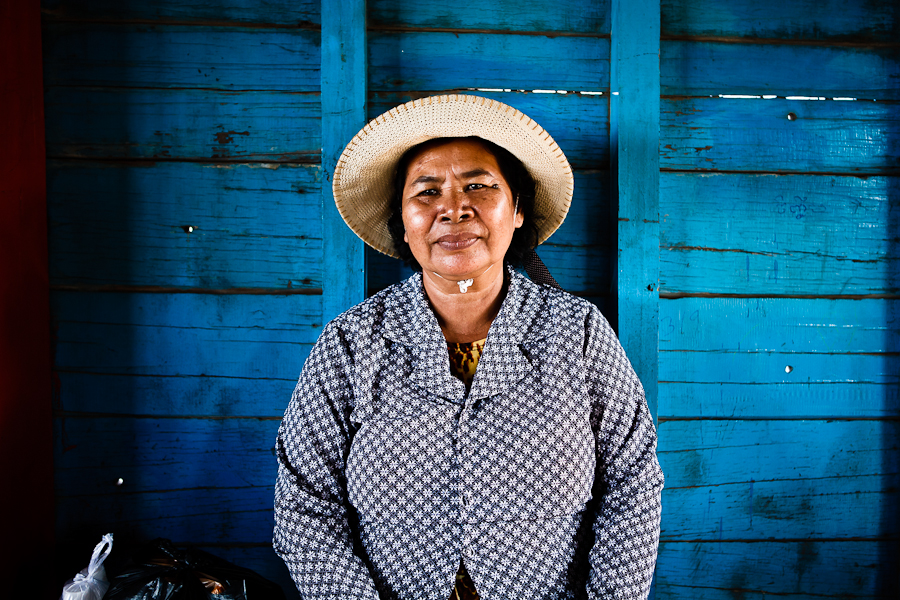
A few portrait pictures from Koh Dach island. A short tuk-tuk drive and a ferry ride from central Phnom Penh, in the middle of the Mekong, it’s a little rural oasis within sight of the city. It reminded me a little of the island in the Red River in Hanoi – I had the same feeling of sudden welcome escape. I would have liked to have spent a good while wandering through the villages on the island, but my visit was cut short by the inevitable afternoon thunder storm.


Related posts:
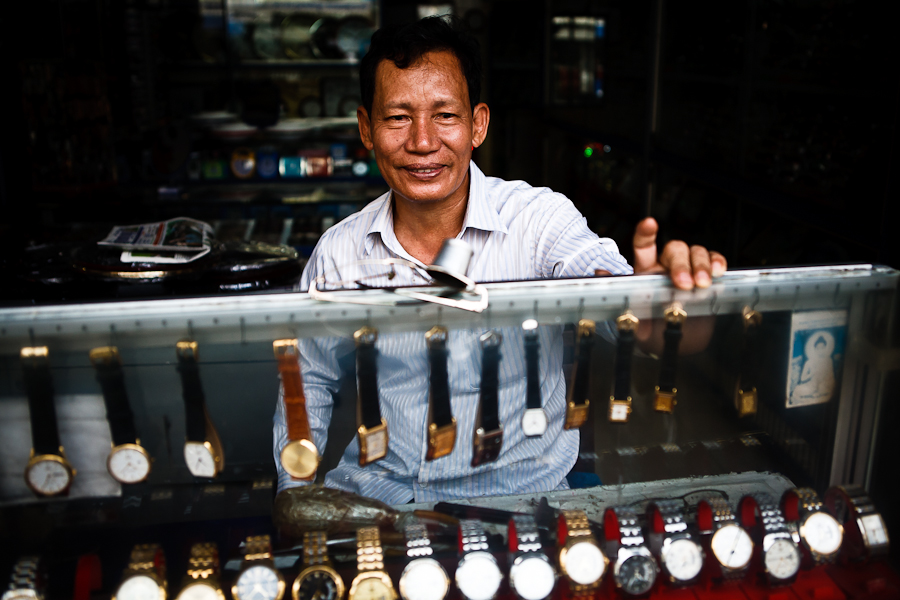
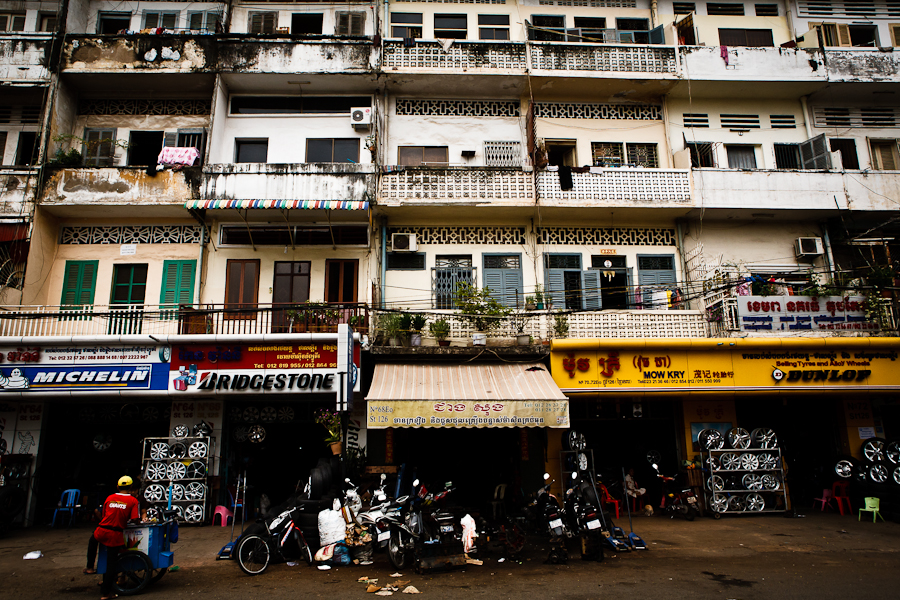
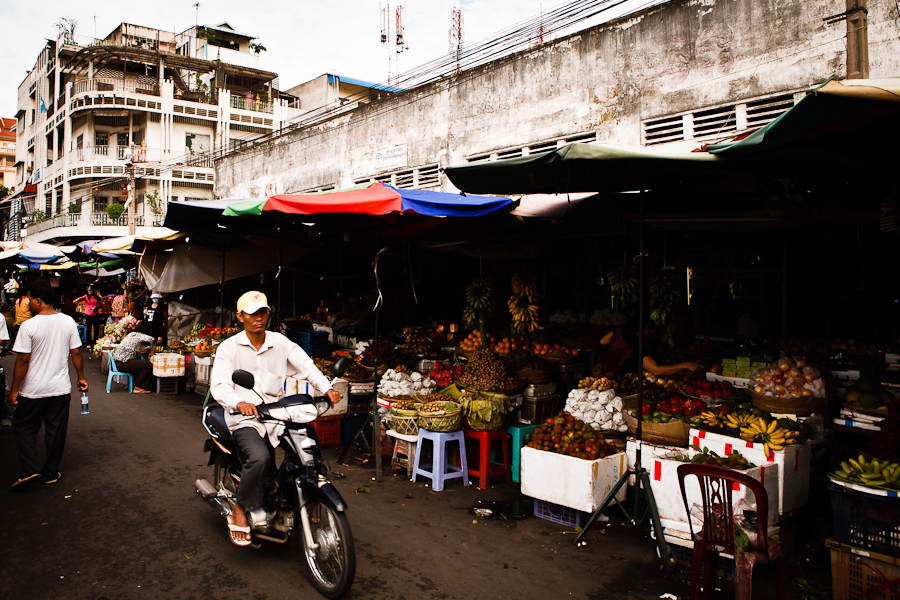
Phnom Penh was the biggest, busiest, liveliest place I’d been in for a while. For most of this Mekong trip, I’ve been staying in small-ish market towns, with occasional detours into more rural areas. The only cities I’d been in since leaving Saigon in May were Kunming and Vientiane, neither of which have anything like Phnom Penh’s energy or attitude. Suddenly, the streets were full of traffic, the air full of noise and fumes, and the pavements lined with eager tuk-tuk drivers. After the agreeable drowsiness of Kratie and Kompong Cham, it was a mild shock to the system. None of which is to say that I didn’t enjoy myself in Phnom Penh. It’s a place that I always enjoy visiting, and I can imagine myself living there one day.
I’m always impressed and a little awed by the city and its people; when you consider that thirty-odd years ago the place was deserted, its population forced into the countryside by the Khmer Rouge, it’s a wonder that the city functions at all, let alone that it’s a place of so much colour and life. Now the Khmer Rouge years are part of the tourism industry. Visitors can go to Tuol Sleng, the harrowing genocide museum, and then, slightly grotesquely, to a shooting range to fire AK-47s, all in the same afternoon.
I sometimes think that it’s a shame that Pol Pot and his henchmen play such a big part in many people’s Phnom Penh experience. I’m not saying that Cambodia’s recent history should be ignored or forgotten, but present-day Phnom Penh has a lot going for it, and we should celebrate that as well as paying respect to its past. So in that spirit, the pictures in this post are all about the street life of Phnom Penh today, rather than Tuol Sleng and the Killing Fields. For those wanting to know more about the history, there are some links at the bottom of the page.




Related posts:
From elsewhere on the web:

Related posts:
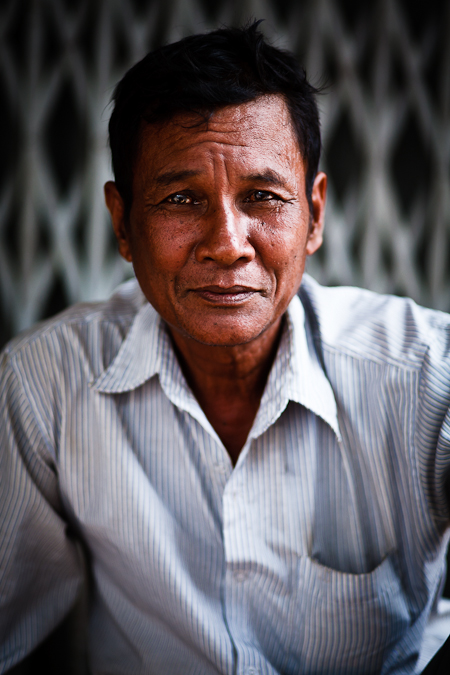
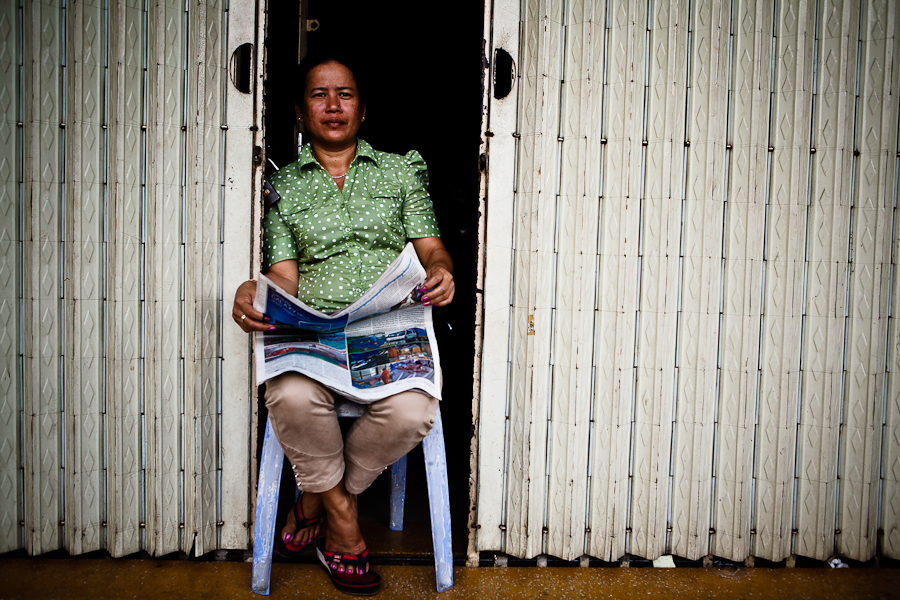
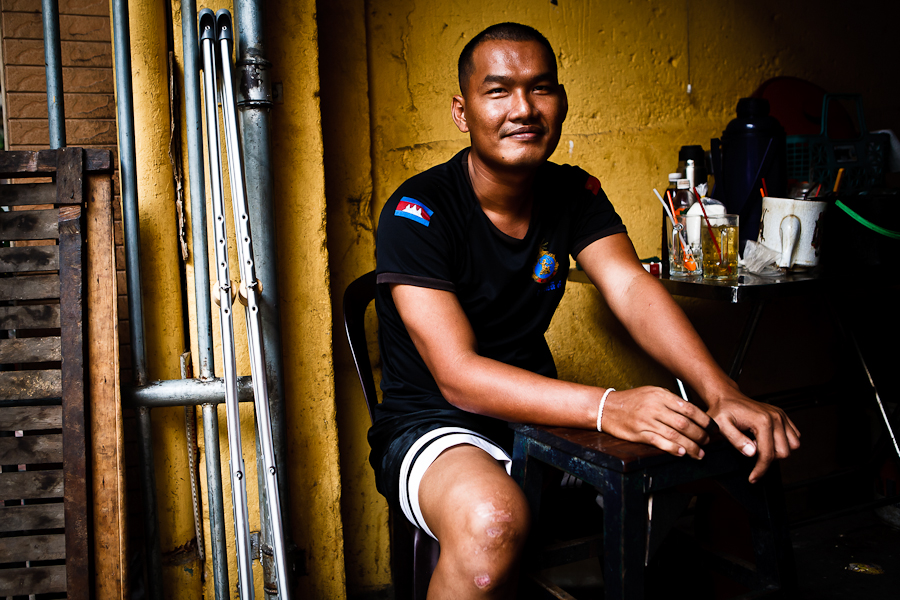
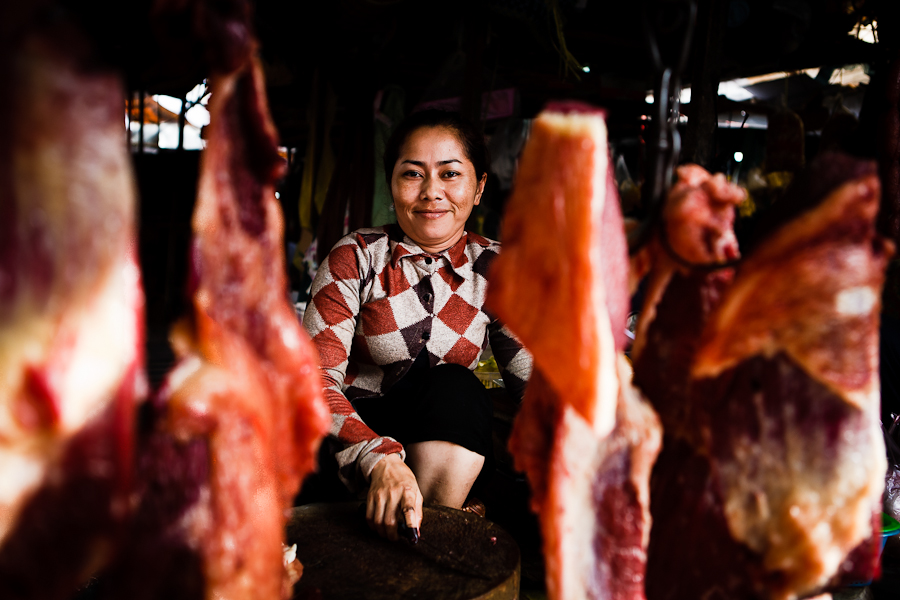
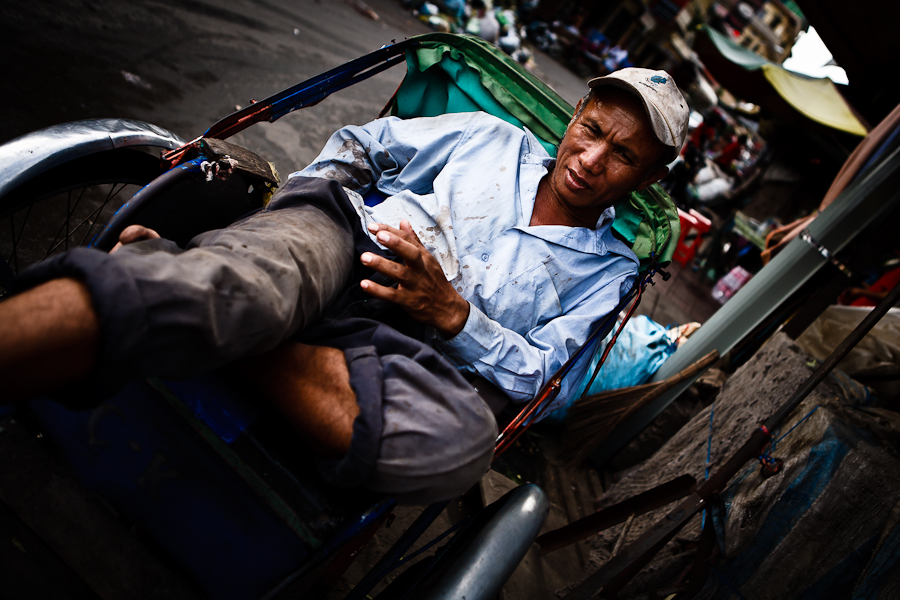
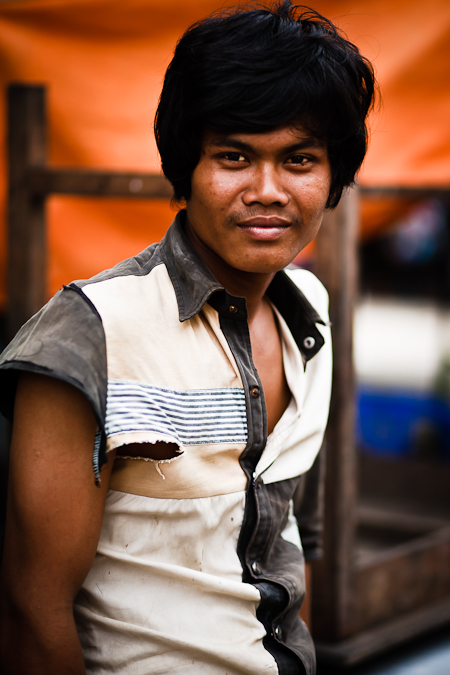
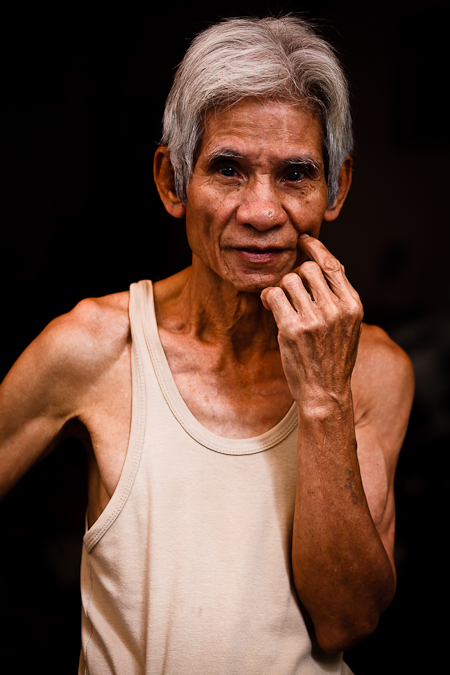
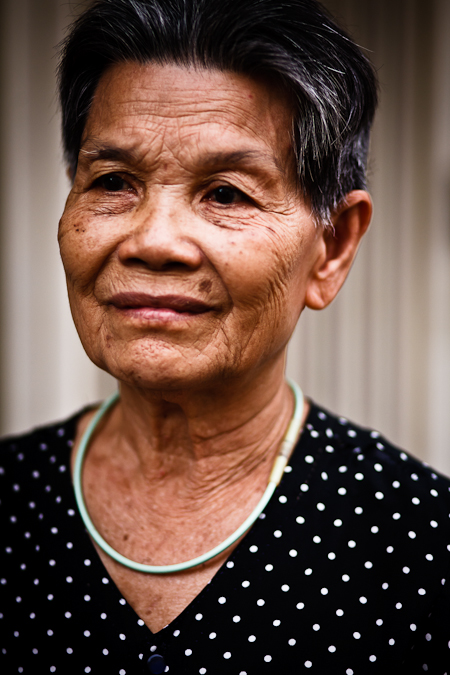
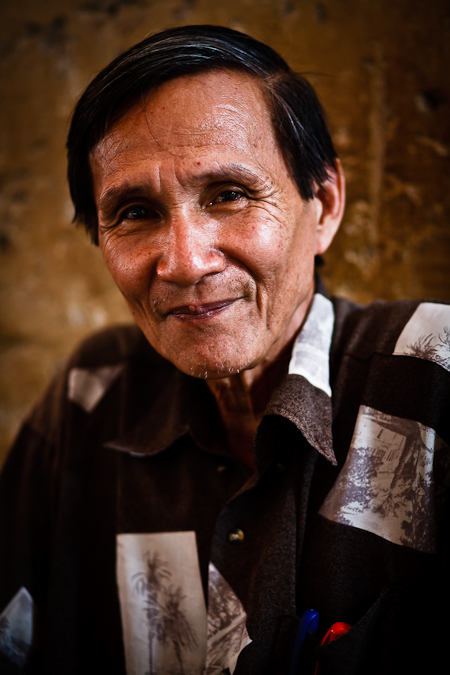
Sometimes it’s best to keep things simple. There’s so much happening on the streets in Phnom Penh, especially compared to the much quieter towns that I’d been visiting previously, that it can be hard to take it all in. After a few days in the city, I stopped trying to take the definitive Phnom Penh photograph, and instead concentrated on looking for interesting faces in nice light. So I spent my last afternoon there wandering the streets and alleys around O Russei market, taking some simple portrait pictures with my (to give it its full name) sadly neglected 85mm lens.



Related posts:
 Without an H