Everybuddha needs somebuddha to lean on (potw #18)
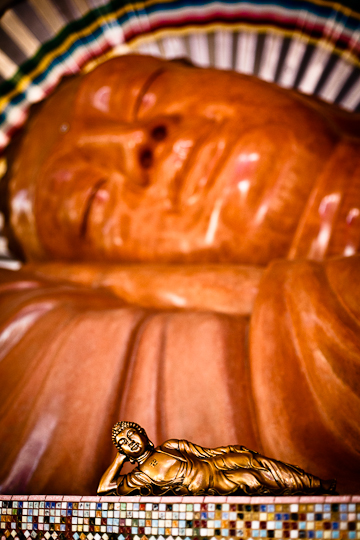
With apologies for the terrible pun.
(Vung Tau, 15th Feb)
With apologies for the terrible pun.
(Vung Tau, 15th Feb)
Back in October last year, I spent ten days in Bangkok, a trip that reignited my enthusiasm for photography. Thanks to the nice people at WordPress, my Bangkok: ten days, one lens post was featured on Freshly Pressed over the Christmas holiday, and I was overwhelmed by the response. A big thank you to everyone who commented on or liked the post, and a warm welcome to everyone who has started following the blog. It means a lot to me to know that there are people out there who like my pictures, and I hope that you’ll enjoy my posts from Vietnam too.
The response to the Bangkok post prompted me to look again at my pictures from that trip. Here’s a selection of shots that didn’t make it last time, not because I don’t like them, but because I don’t think that anyone wants to look at more than about twelve or fifteen pictures at a time (I assume, probably unfairly, that everyone else’s attention span is as short as mine). As before, these are all uncropped shots, taken with a 50mm lens.
I love taking pictures in markets, big or small, indoors or out.
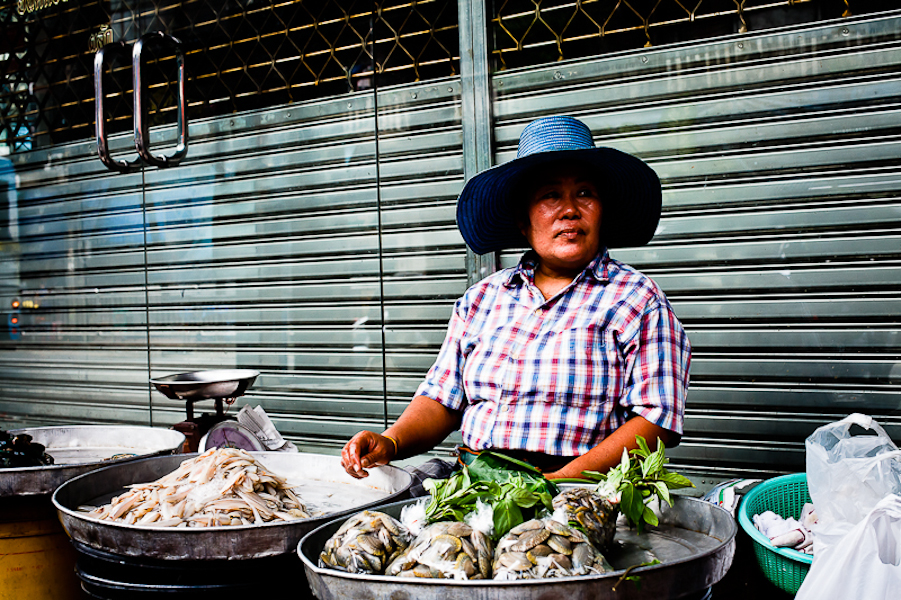

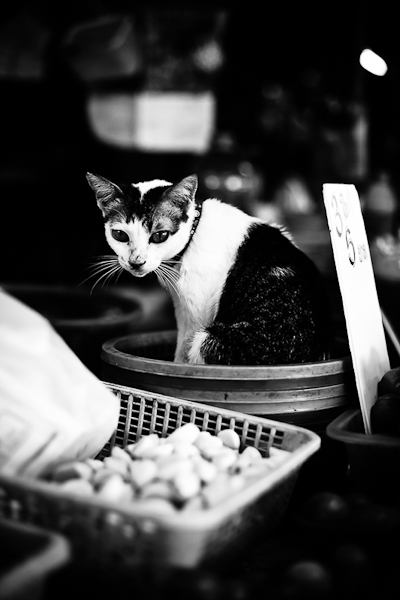

The rush hour in Bangkok seems to last all day. A taxi ride is safer, cooler and more fragrant, but there’s something childishly thrilling about travelling by tuk-tuk.

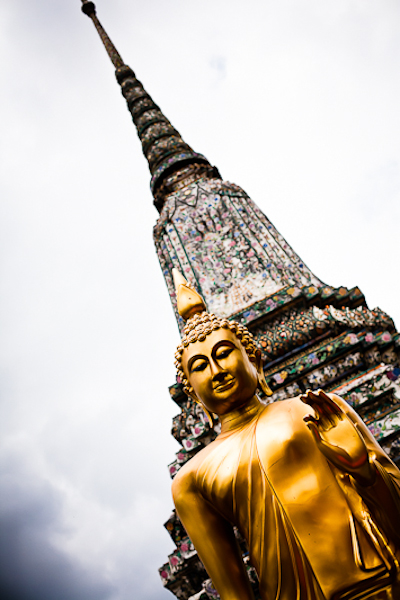
Buddhas aren’t only found in the wats…

… although they are found there too.
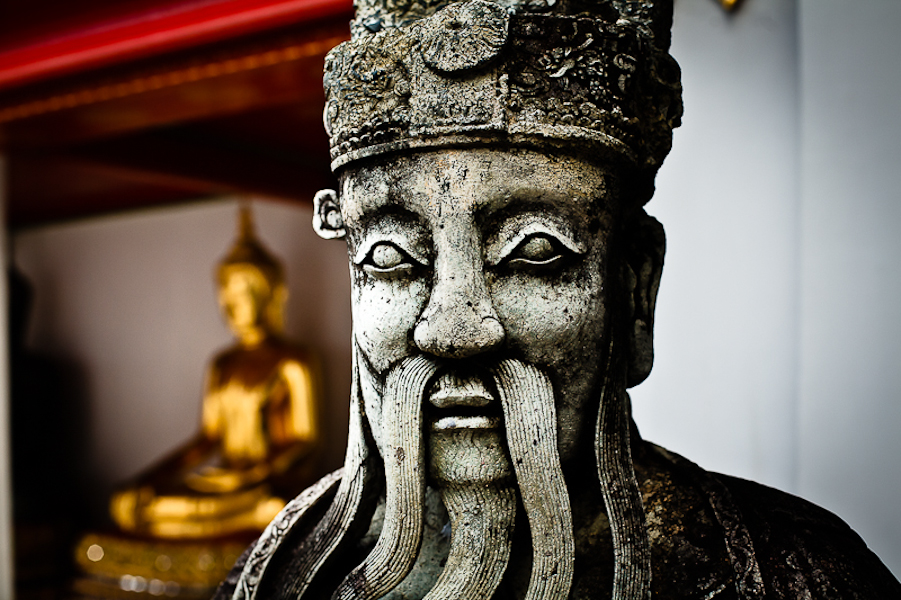
They call him Amulet Man.

Fertility amulets are available in all shapes and sizes.

This monk was sitting in the back of a small truck, sprinkling water on passers by. He was accompanied in the truck by a life size gold statue of himself.


Bangkok’s wats are crammed full of buildings and statues, not to mention people. Rather than taking in the whole scene, I tried to focus on some of the details.


I’ve been in Saigon for two months now, and it feels like time to take stock. I was going to write about the differences between Saigon (as Ho Chi Minh City is still commonly called) and Hanoi, but it feels too early to do that just yet. I need to feel more settled here before I can make a proper comparison.
I lived in Hanoi for two and a half years and felt very comfortable there, but I always thought that I took my best pictures when I left the city. My favourite shots from that time were taken in Sapa, Bac Ha, Hoi An, Cambodia, even the outskirts of Hanoi, rather than the centre. Perhaps there’s something about familiarity with a place which makes it harder for me to take good pictures there.
These pictures of Saigon were all taken in the last couple of months. I can’t really call them first impressions, as I spent a fair amount of time here before coming here to live. So these are second impressions – some of the scenes, people and details that have caught my eye. How will my pictures of Saigon change as I become more familiar with the city? Time will tell.
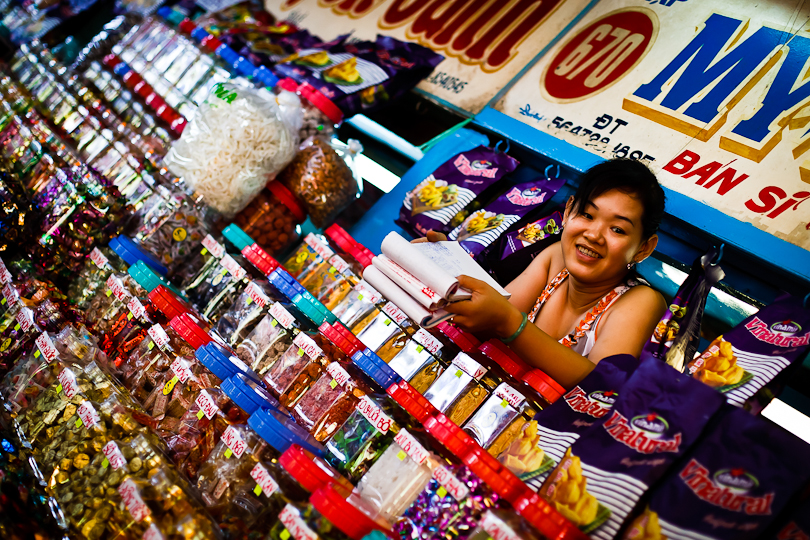

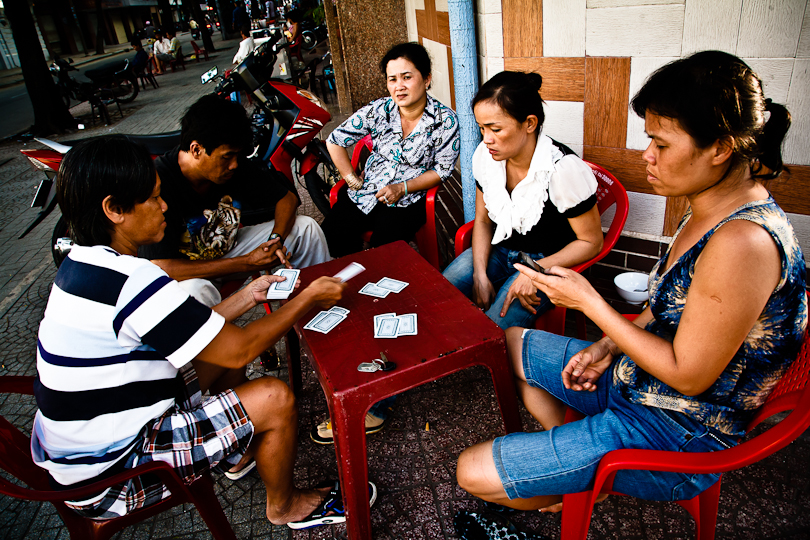



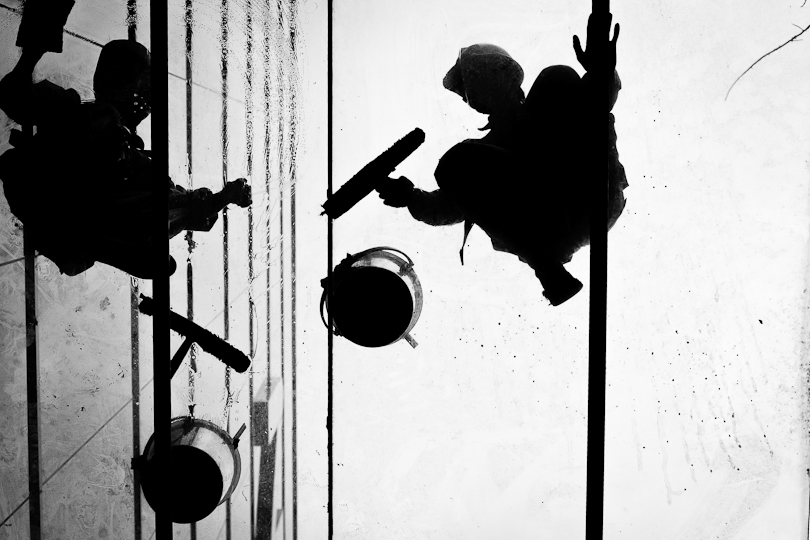
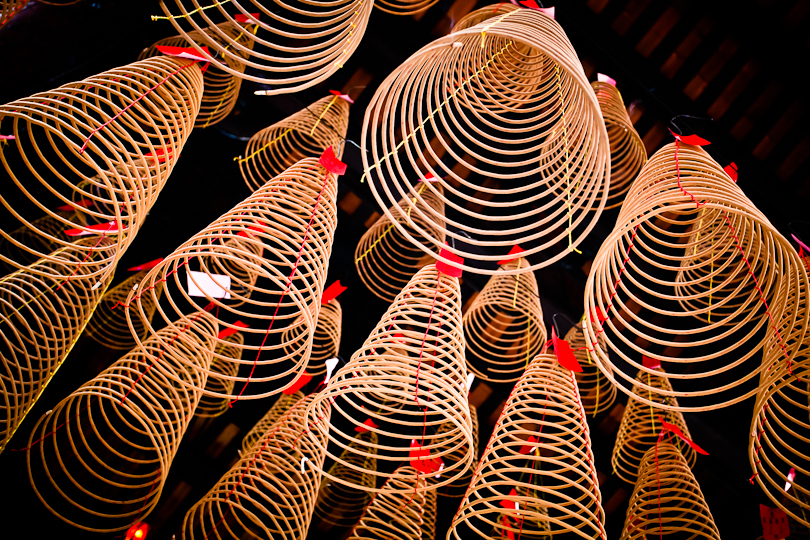
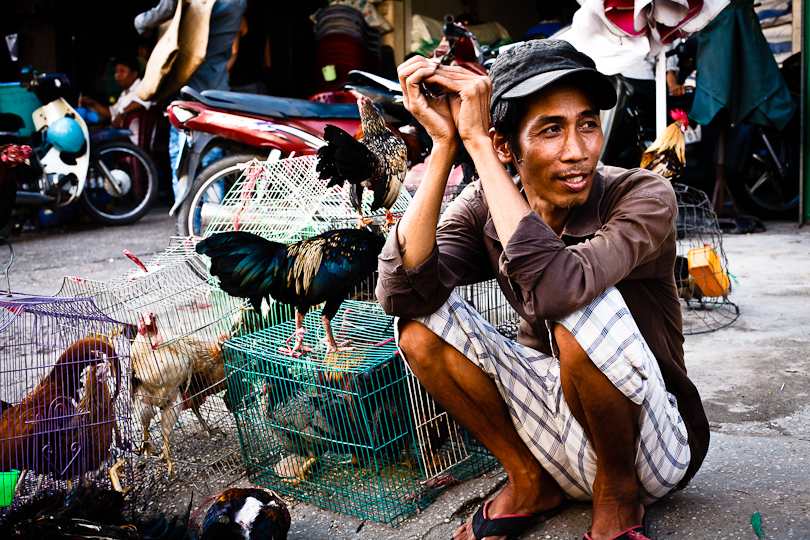


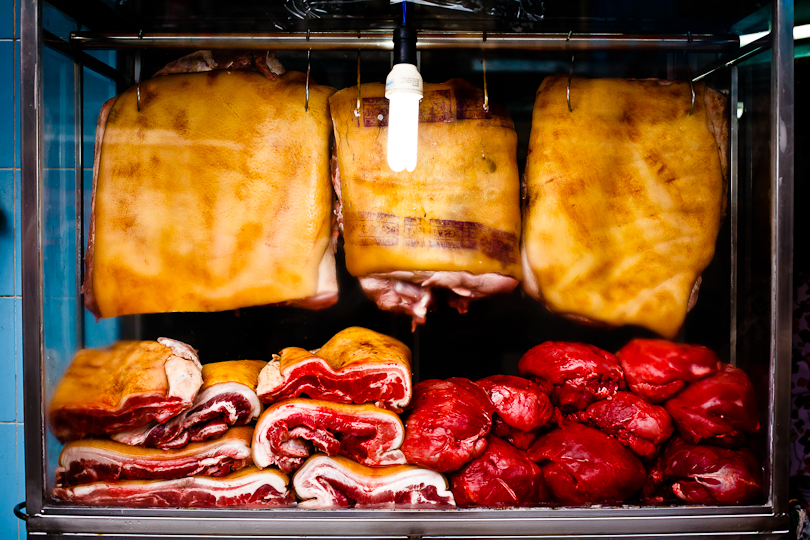
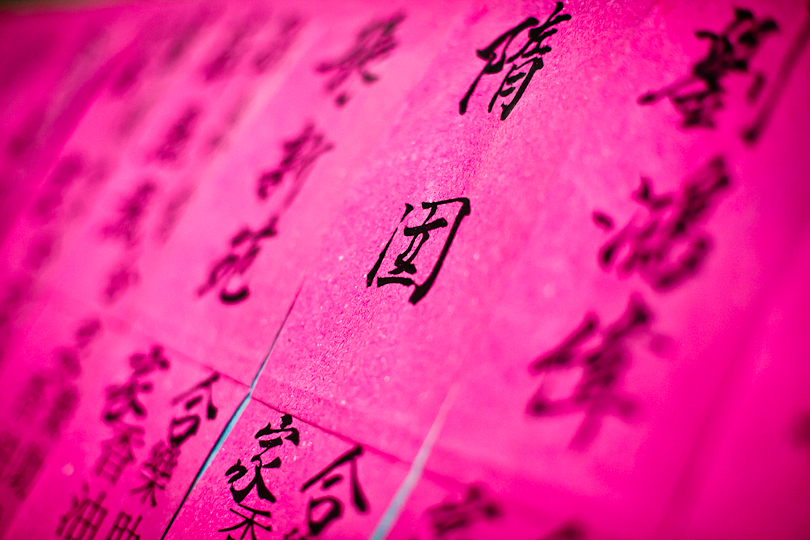
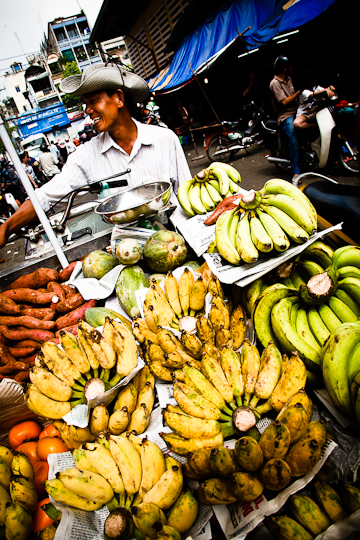


The Cao Dai temple in District 5 of Saigon is the less well-known little brother of the Cao Dai Holy See in Tay Ninh. I posted a couple of images in an earlier Picture of the Week post but I thought I would share a few more.
Click on any image to view a slideshow.

A few days in Bangkok on the way back to Vietnam from the UK. My idea was that this would be a kind of interlude, a blank space of time between saying my goodbyes at home and getting my life together in Saigon, with none of the emotional wrench of the former or the practical stresses of the latter. An opportunity to chill out for a short time; not that Bangkok is the most relaxing place in the world, but it provided the chance to escape life’s obligations for a while.
Also, and just as importantly, it was a chance to reacquaint myself with my camera. Ten months in the UK was a fairly fallow period for me photographically. I’ve got some nice pictures of friends and family to show for my time there, my niece and nephew especially, but I never felt the same urge to get out and about and make pictures that I feel when I’m away from home. They say that the best photographers can find good pictures in anything anywhere, and that’s probably true; but the rest of us need a little help, a little inspiration, and I wasn’t finding that inspiration in Tunbridge Wells, or even in London. Although I wasn’t taking many pictures back at home, I was reading a lot about photography, from Scott Kelby’s super practical – if slightly irritating – Lightroom manual to a scholarly tome on composition by Michael Freeman (both of which found their way into my 20kg luggage allowance, at the expense of frivolities such as underwear and toiletries). I also spent a lot of time reappraising my old pictures, trying to be brutally honest with myself about which ones worked and which didn’t, reworking some old favourites, trying to make them as good as they could be. The results can be seen on my homepage; you be the judge, I can’t look at them any more.
So I felt ready to take on Bangkok, photographically. I set myself a challenge. For the ten days I was there, I would shoot only using my 50mm lens, with no cropping later, and only in black and white. Why 50mm? I like the simplicity of it; what you see with the naked eye is broadly what you get through the viewfinder. I wanted to force myself to think about composition, rather than just relying on my zoom. And for such a simple lens, it’s incredibly versatile, suitable for portraits, street scenes, details, abstracts, almost anything. Why black and white? I wanted to avoid the cliches and concentrate on textures, contrast, and light and shade. I also had an idea about photographing statues, potentially a very boring subject for a photograph, as if they were people, using a shallow depth of field and focusing on the eyes.


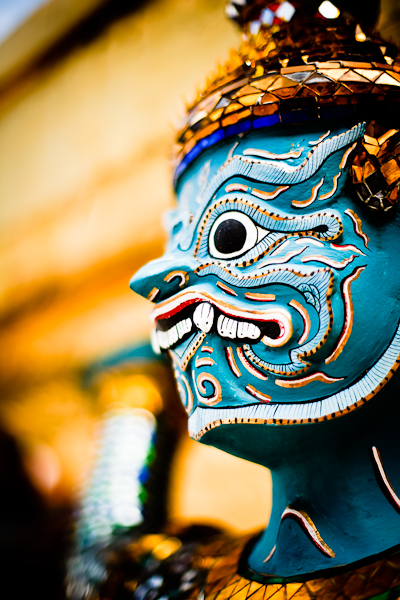
Eagle-eyed readers will have spotted that the picture above is in colour. What can I say? There was just too much colour to ignore. The gold of temples, the orange of monks’ robes, the pink red yellow green of taxis. I abandoned the black and white thing after a couple of days, although there are a number of monochrome images that I’m very pleased with. I stuck with the 50mm rule though, which was no hardship.
I love taking portrait pictures, and I like the way 50mm lets you include plenty of background, giving context while keeping a human subject.

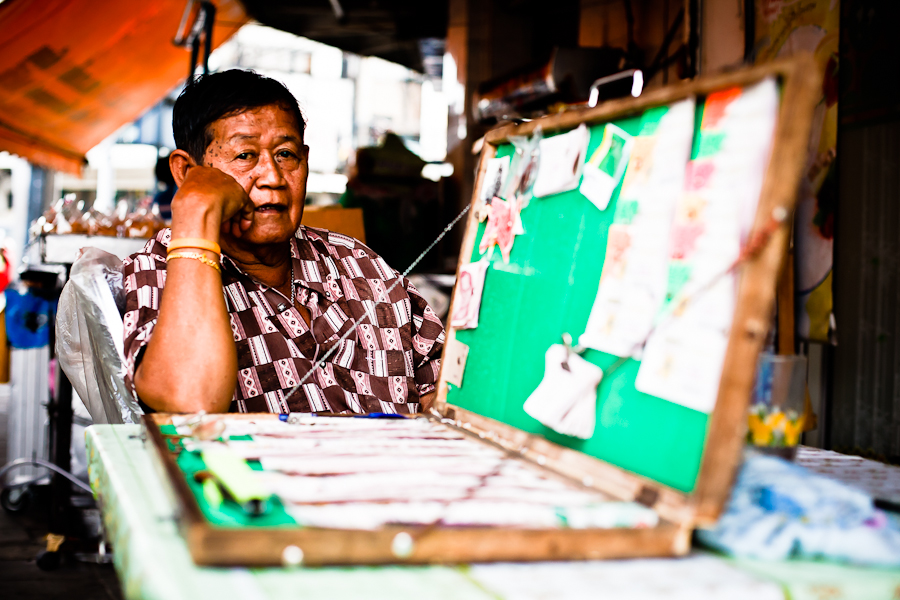


As well as the city’s people, I also wanted to capture details…
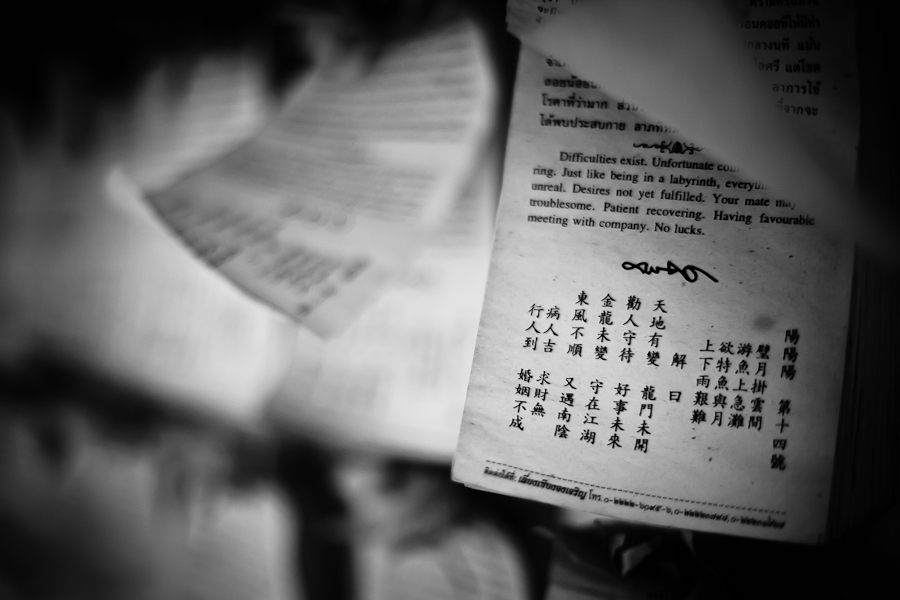
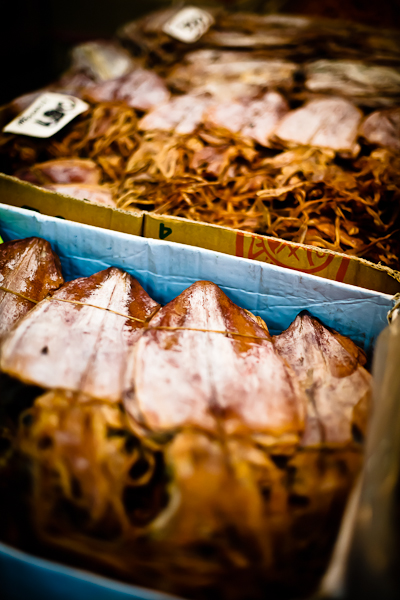
… movement…
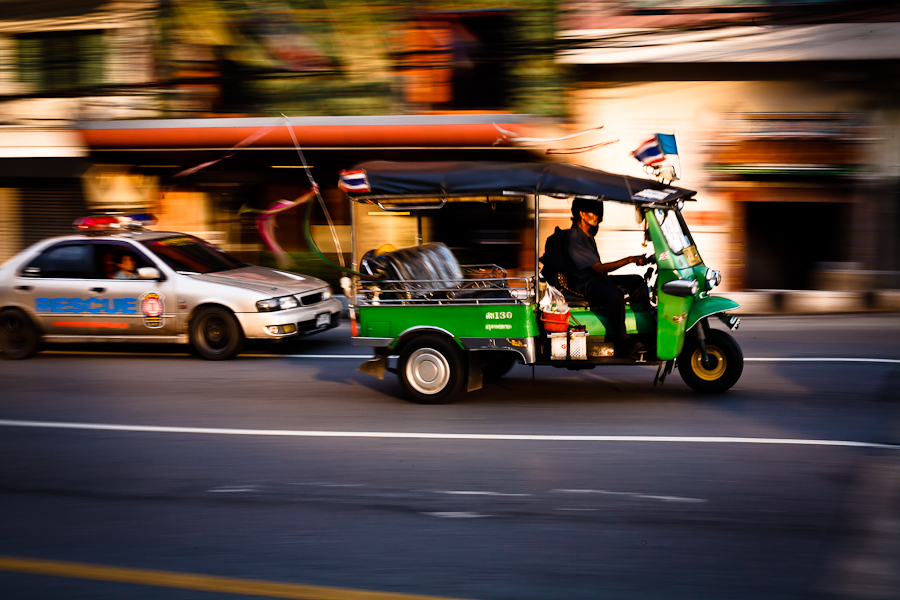
… street scenes…


… and some more people.

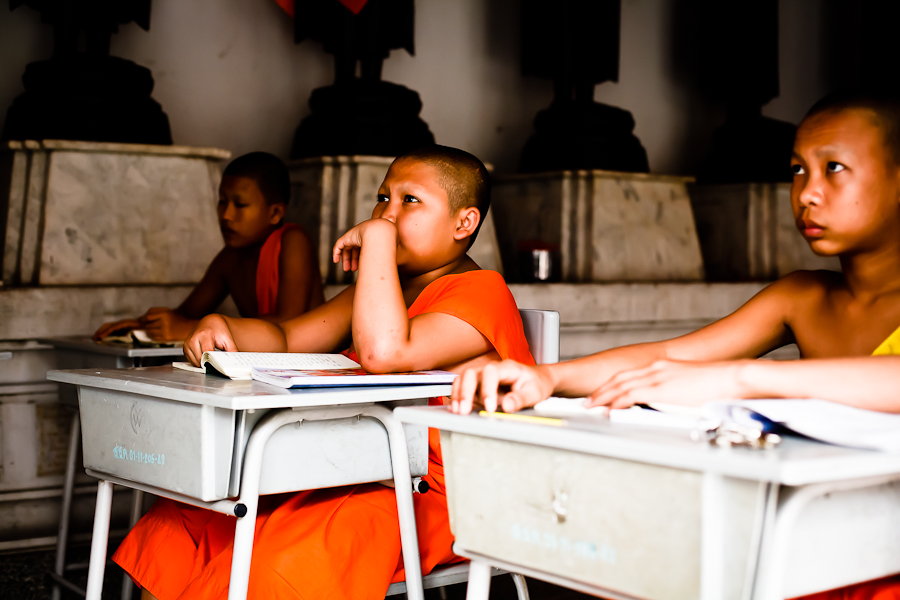

There were many things I wanted to do while in Bangkok: buy t-shirts, nap after lunch, eat as much Thai curry as my body could handle, while away afternoons reading in cafes, wander the streets with no clear destination in mind, and get more of a feel for the city than I’d managed on my two brief previous visits, five years and ten years ago. I did all of this, I had my little oasis of calm, Bangkok-style, and I took a lot of pictures, some of which I’m happy with. I won’t leave it another five years before my next visit.

I generally prefer portraits of people who are actually alive, but I like the look of this old fella.
 Without an H