Streets of Yangon VI

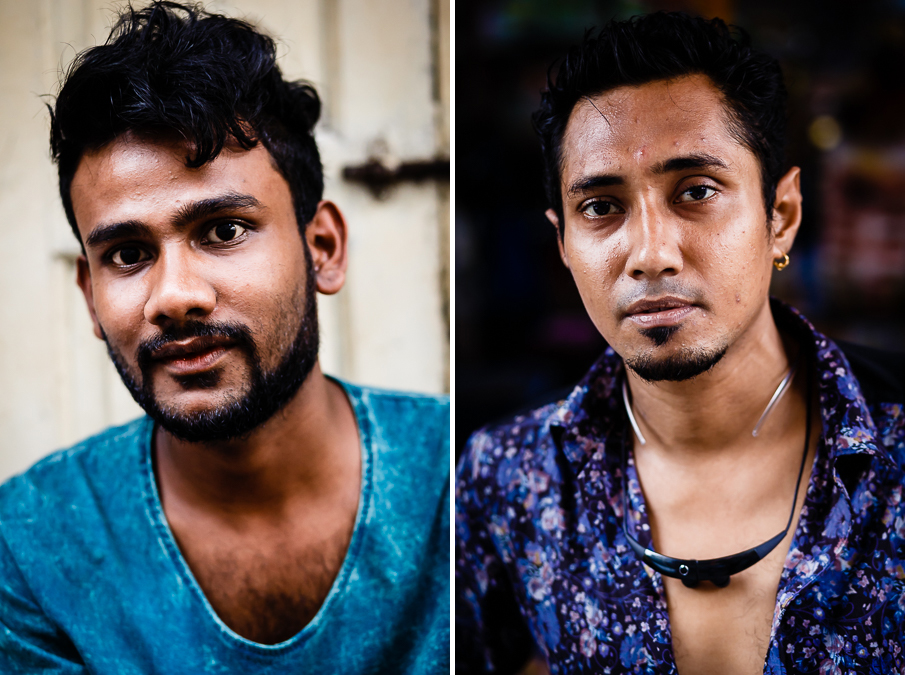
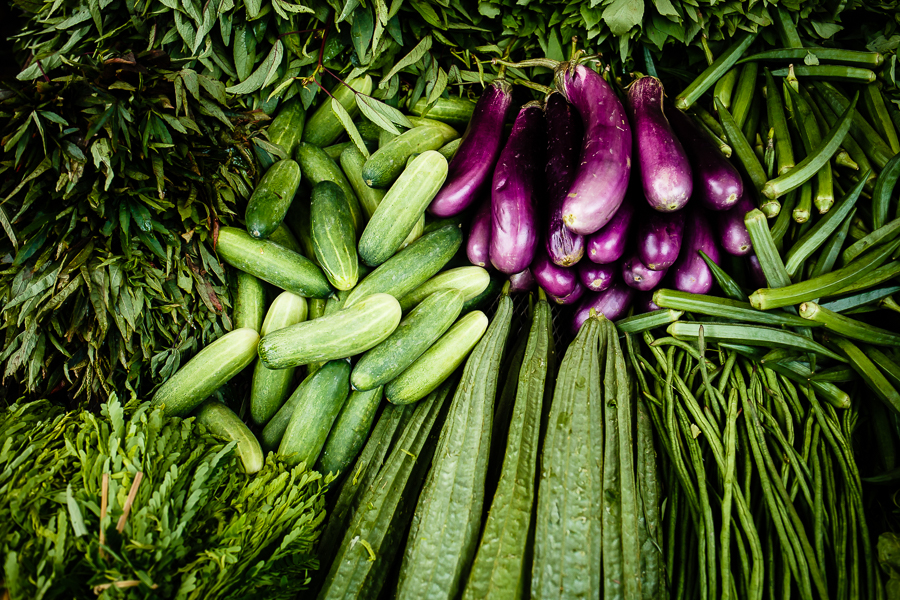
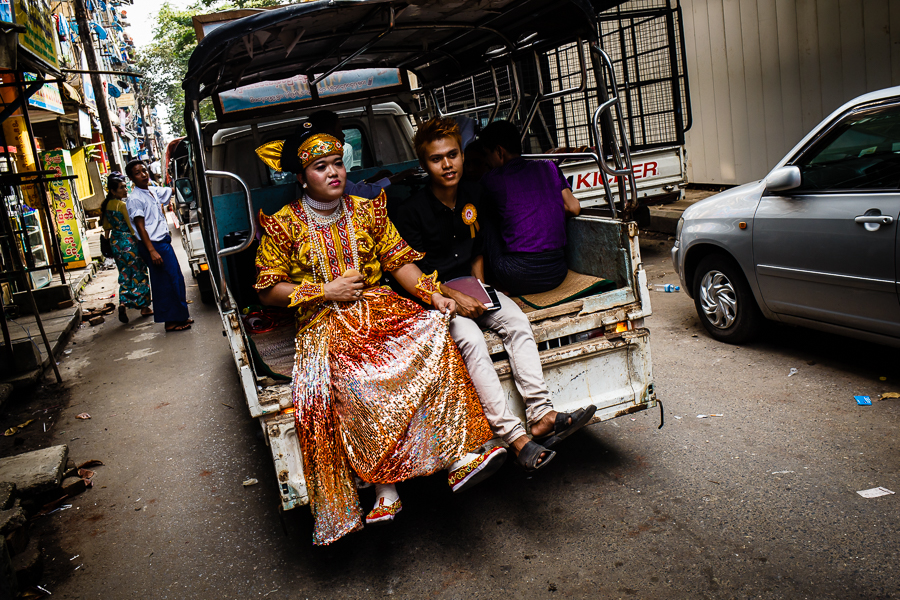
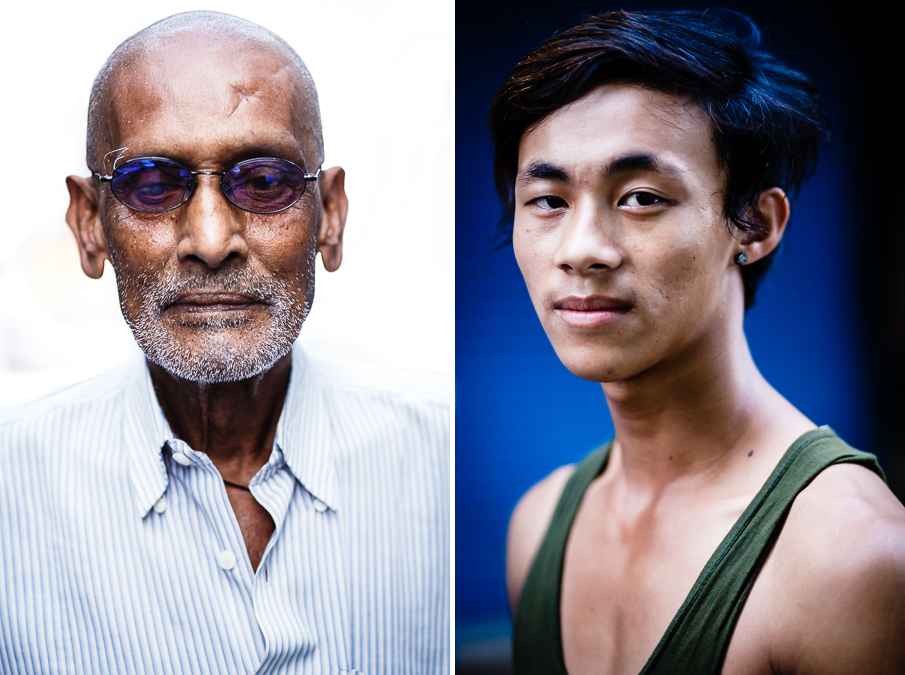
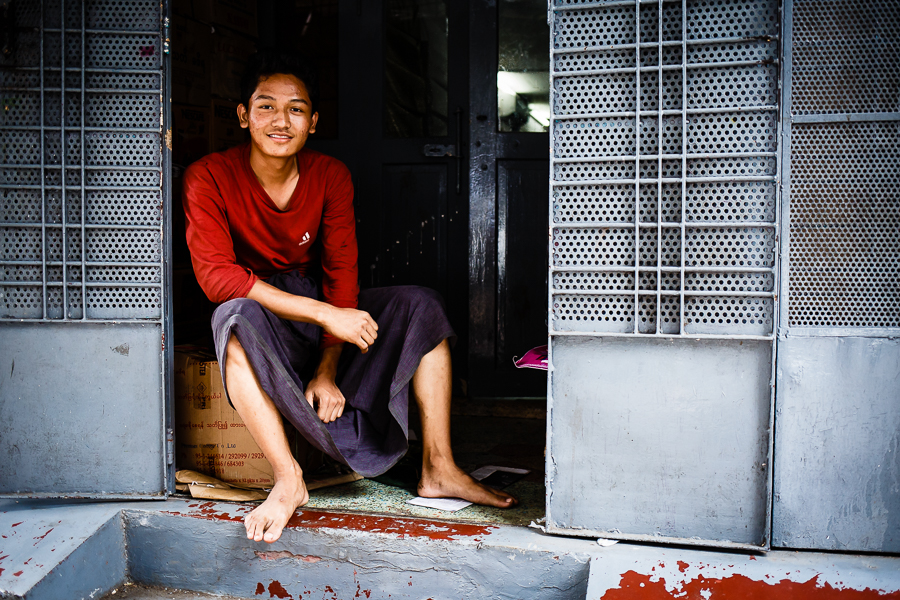
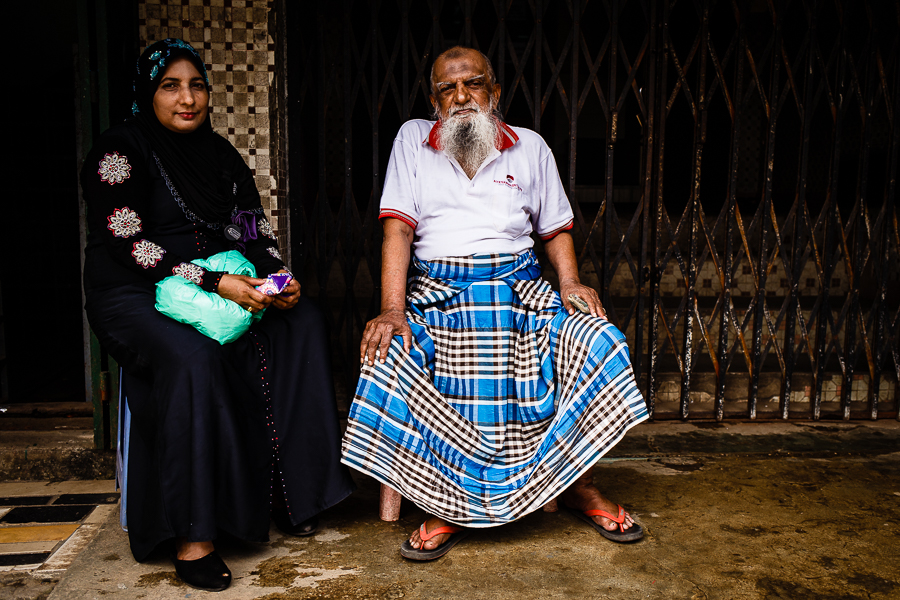
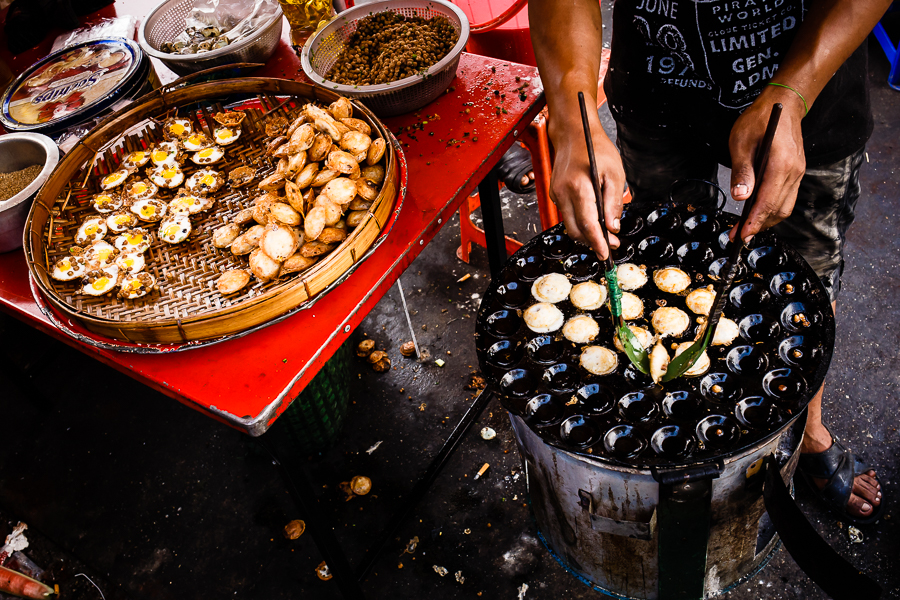
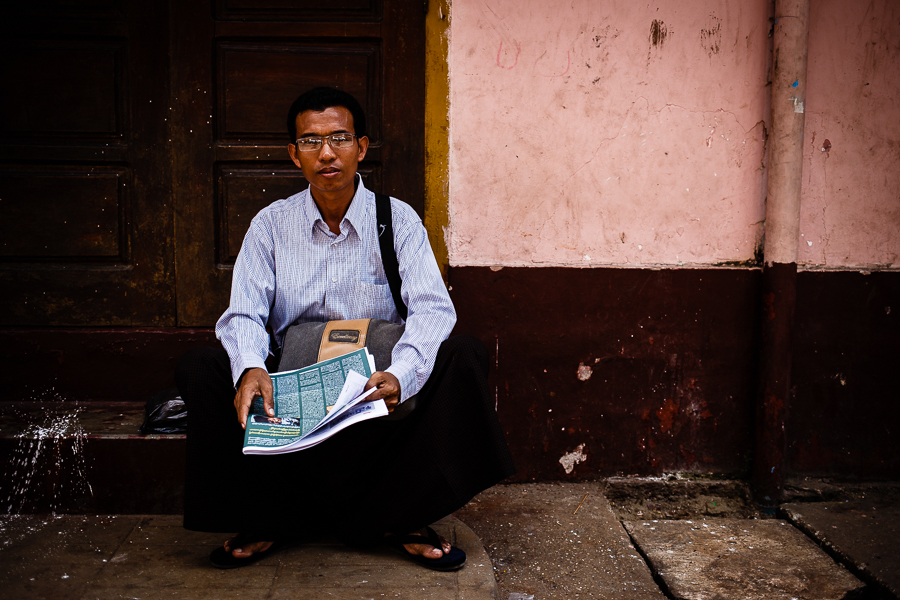
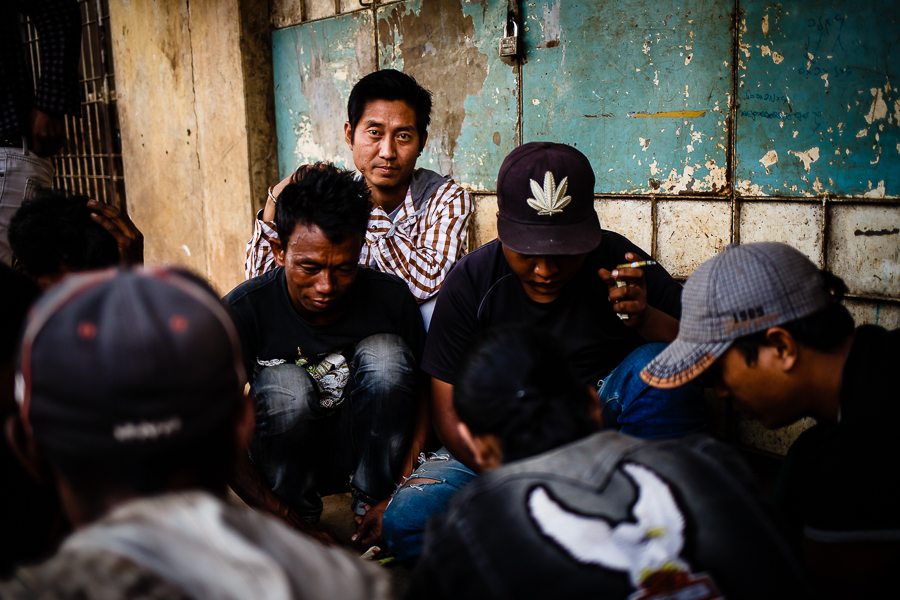
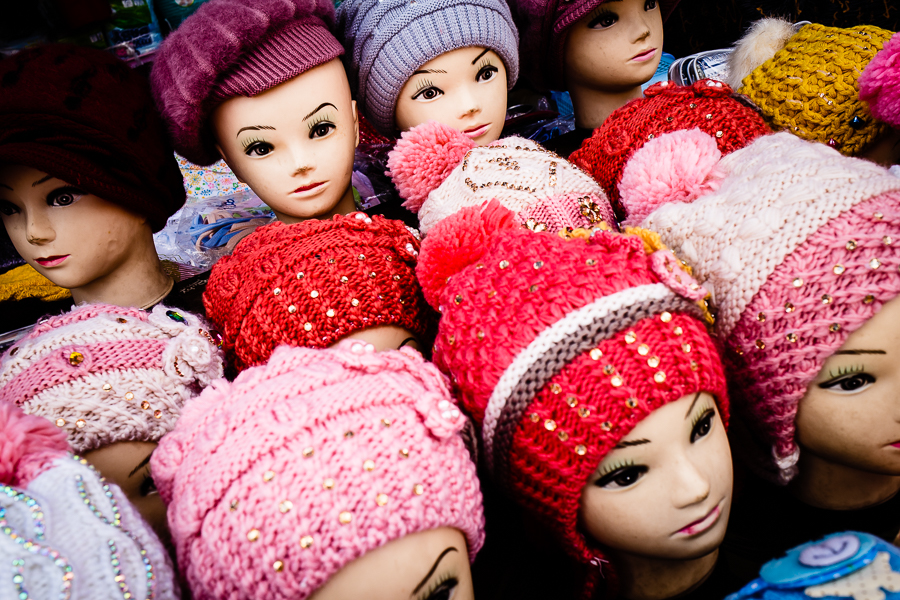
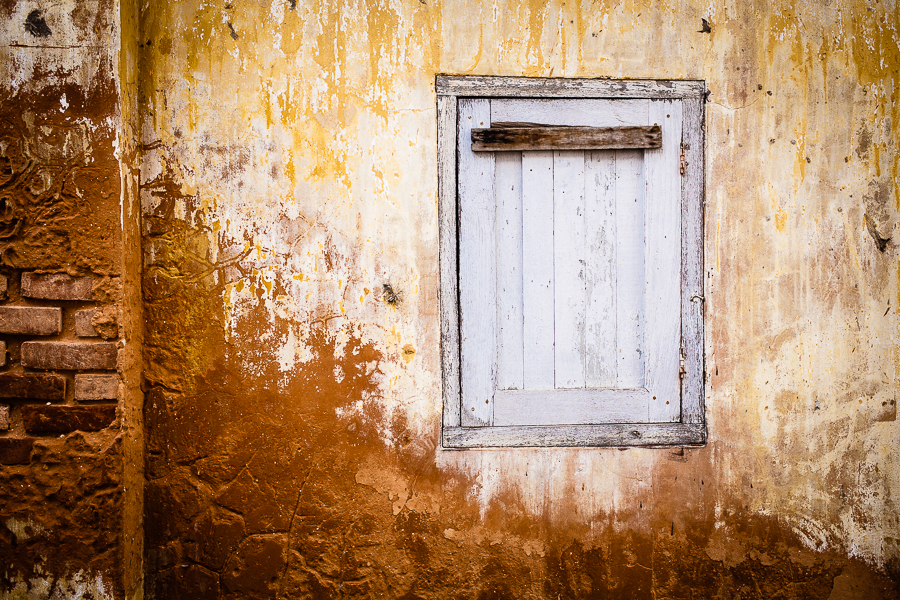
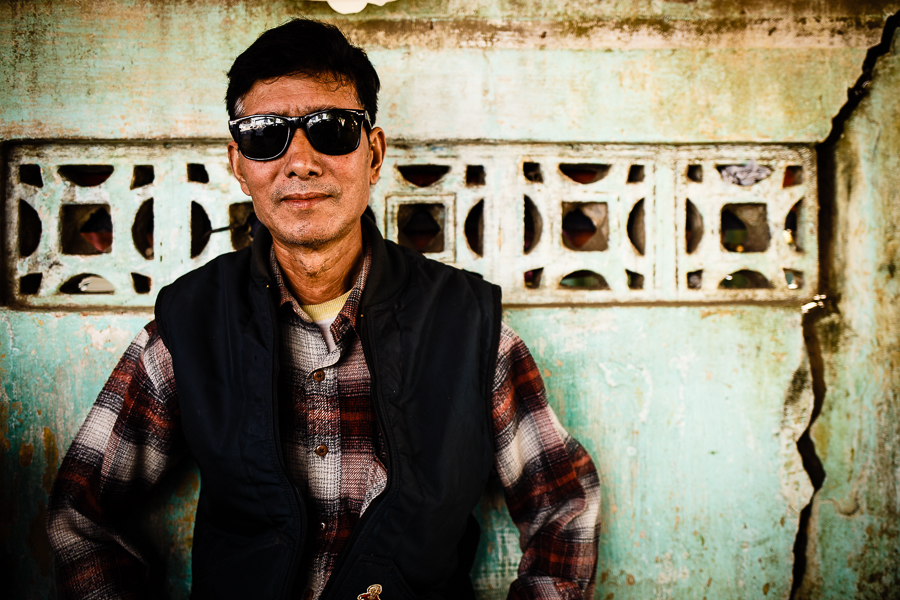
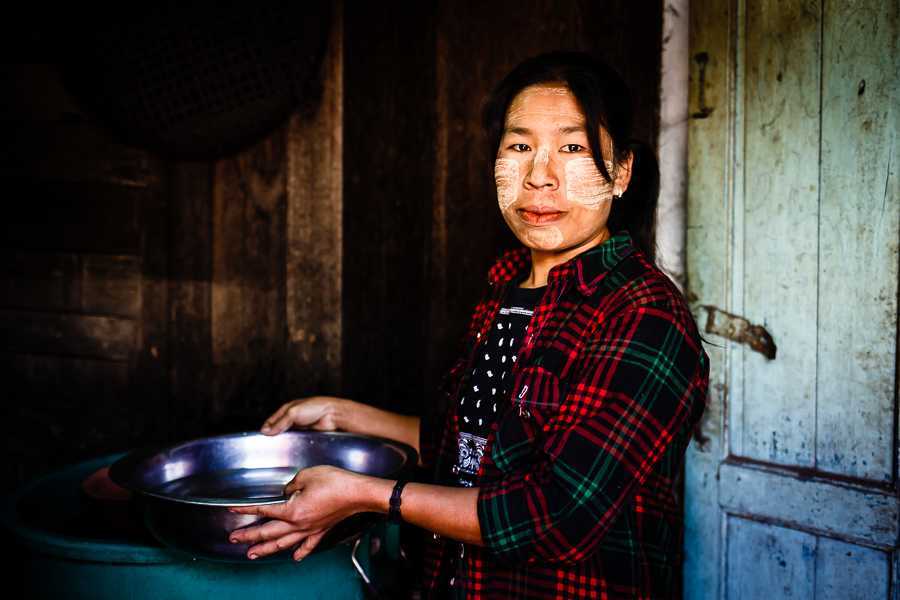
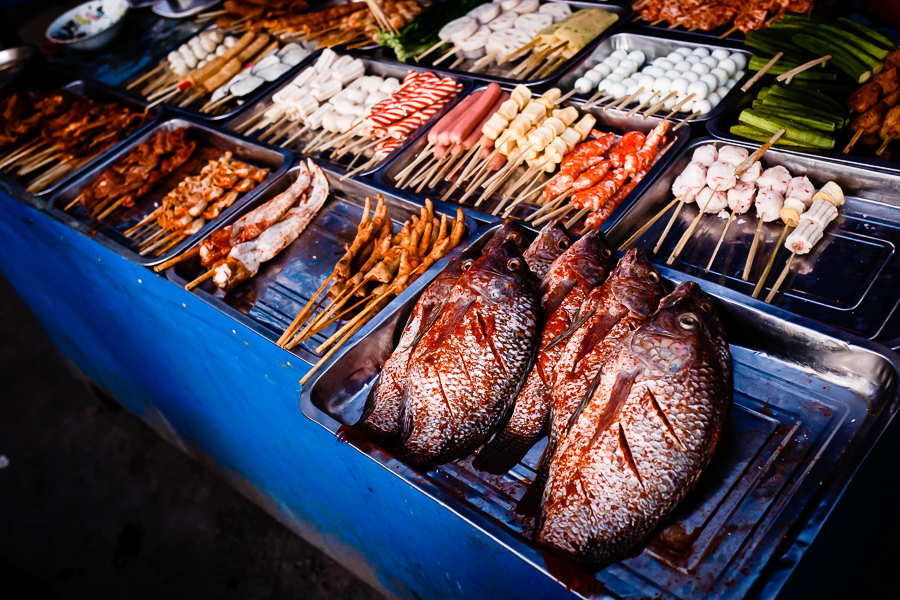
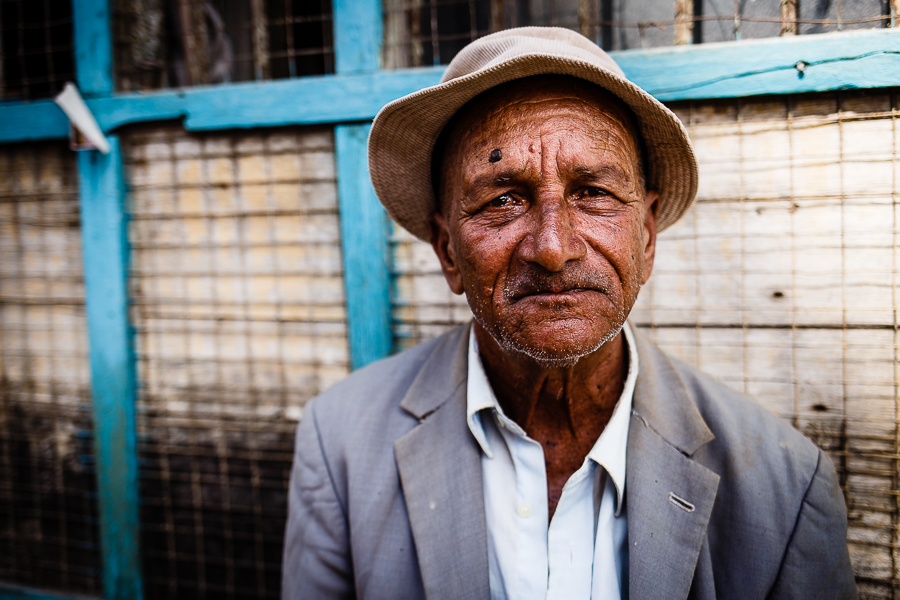
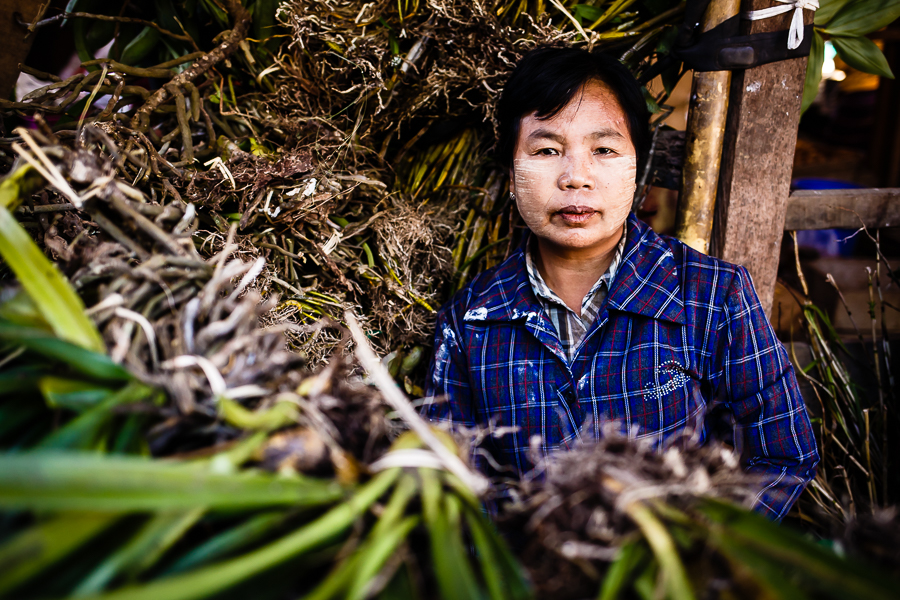
A few more portraits and details from Yangon.
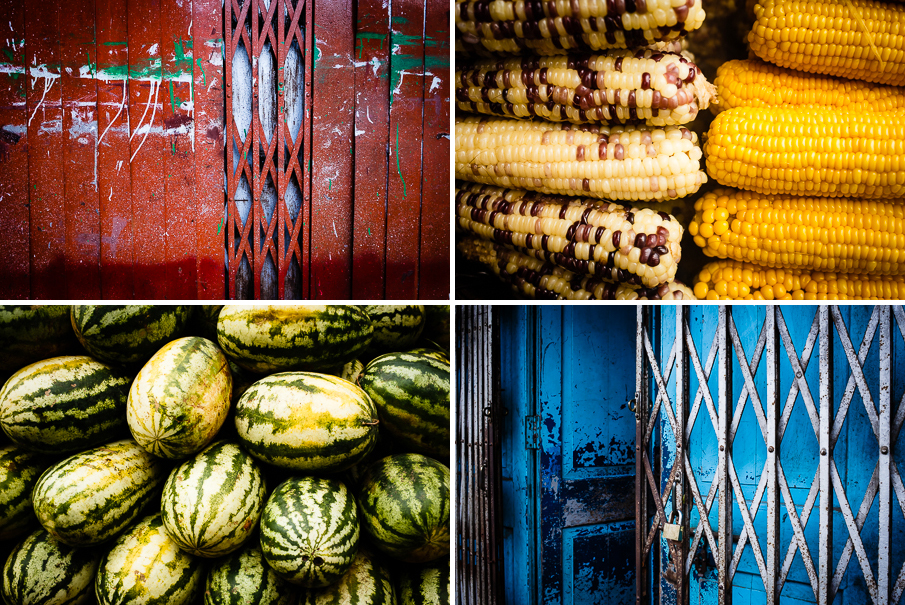
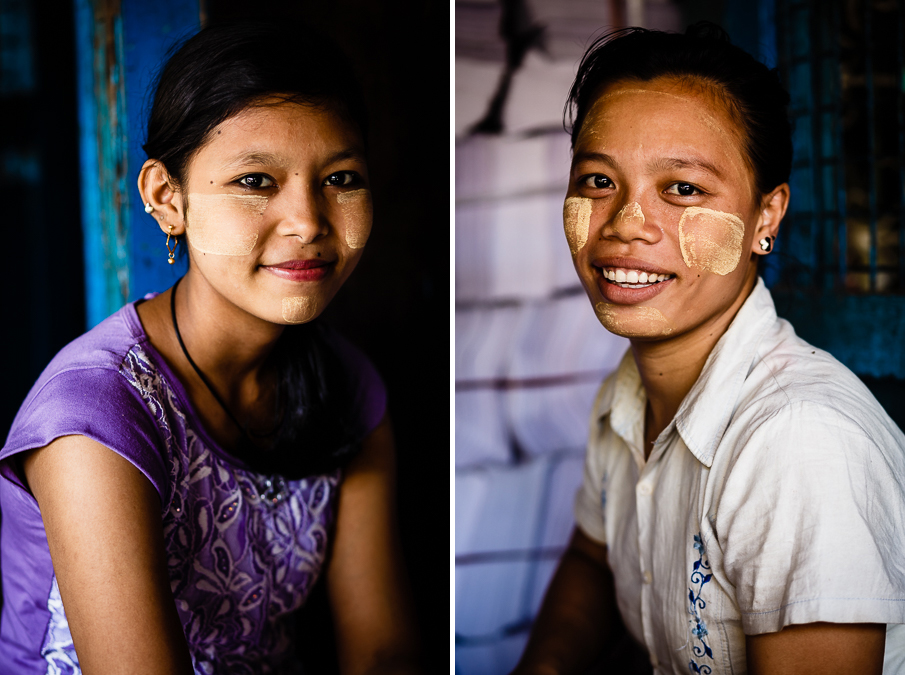


A few more portraits and details from Yangon.
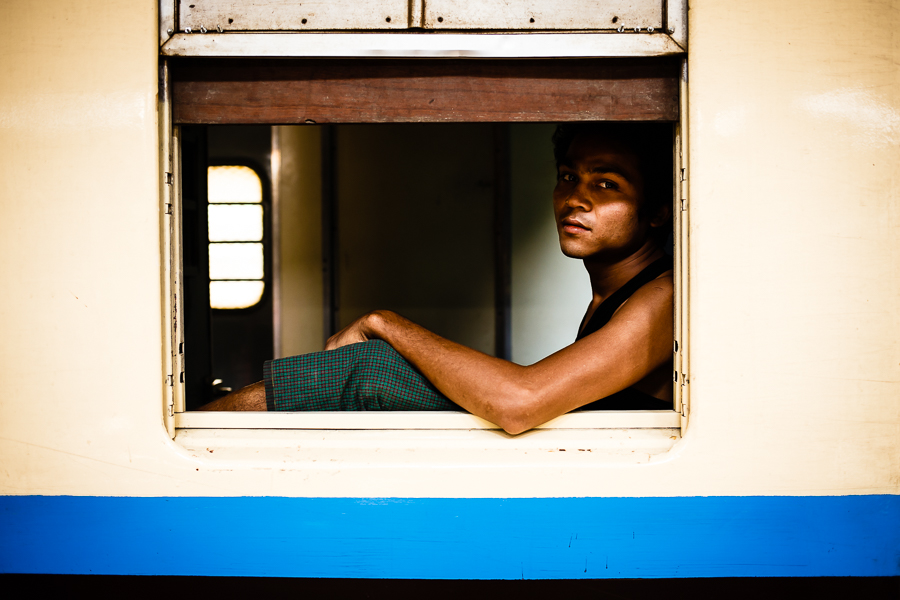
As an ex-Londoner, when I think of the circle line, I think of city centre tube stations: Embankment, Victoria, Paddington, Baker Street. Yangon’s circle line is a little different. From Yangon Central station, I took the train through the suburbs and countryside to Mingaladon, where the local market spills over into the station, and then completed the loop back to the city.
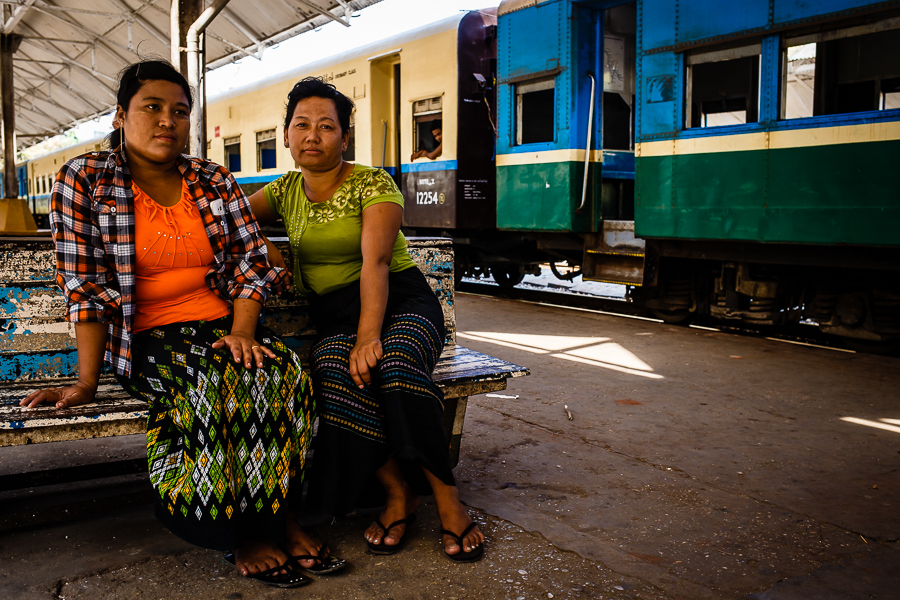
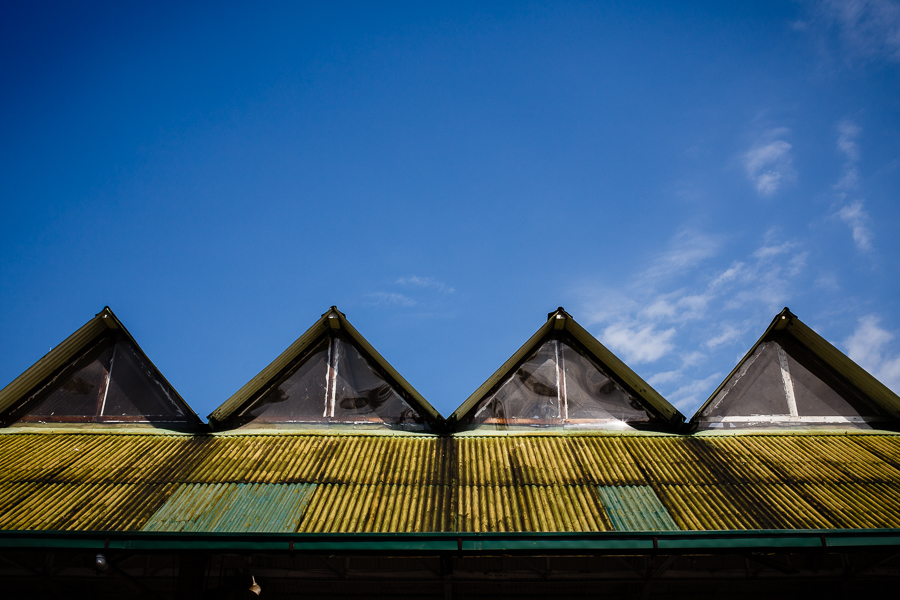
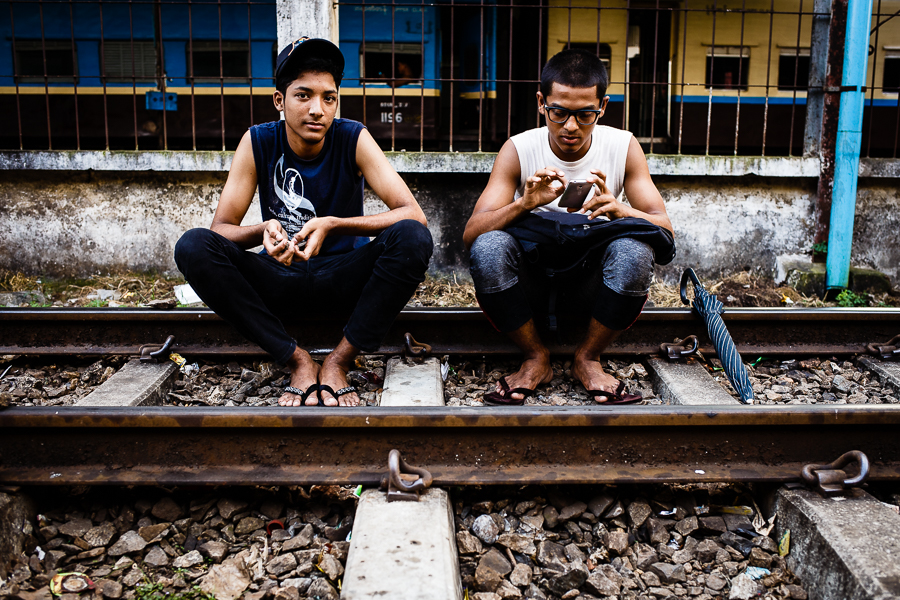
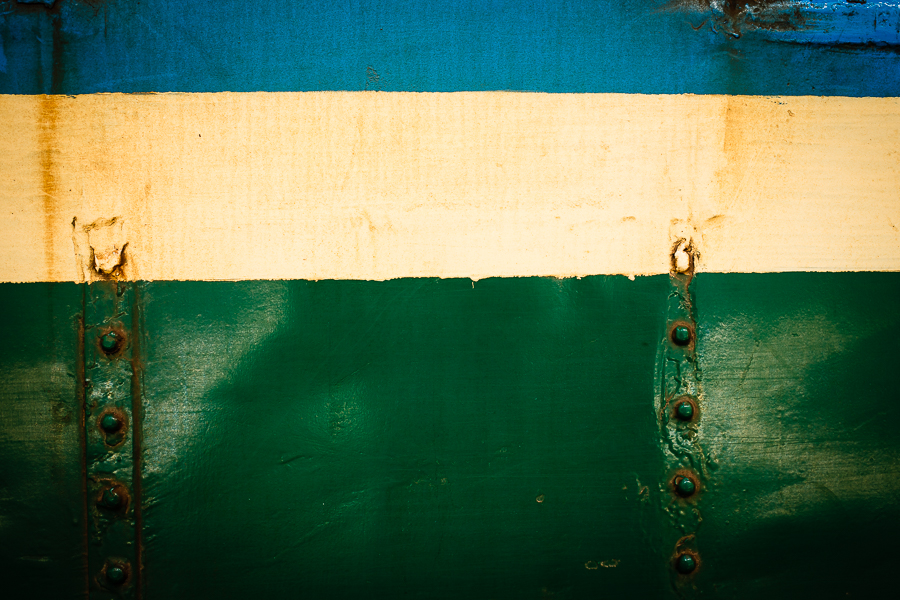
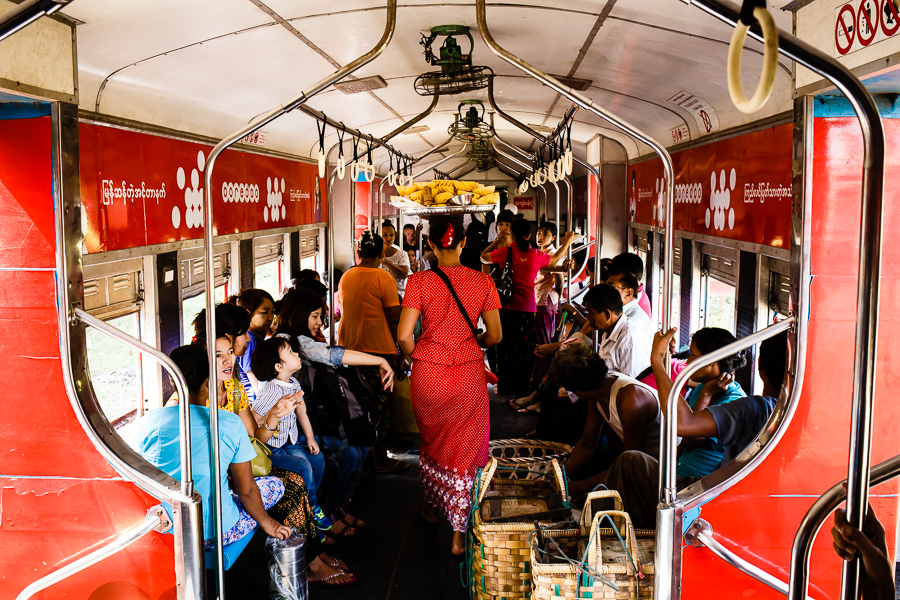
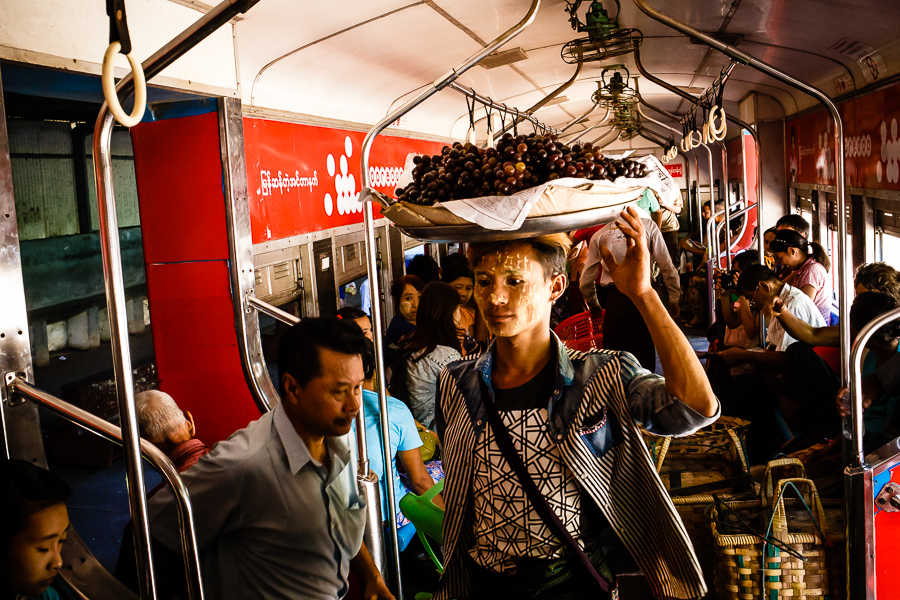
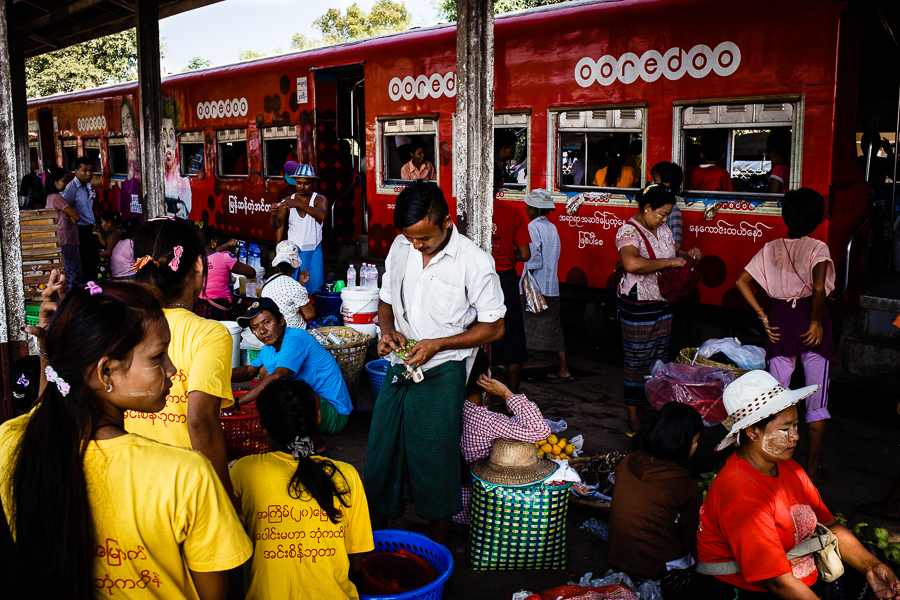
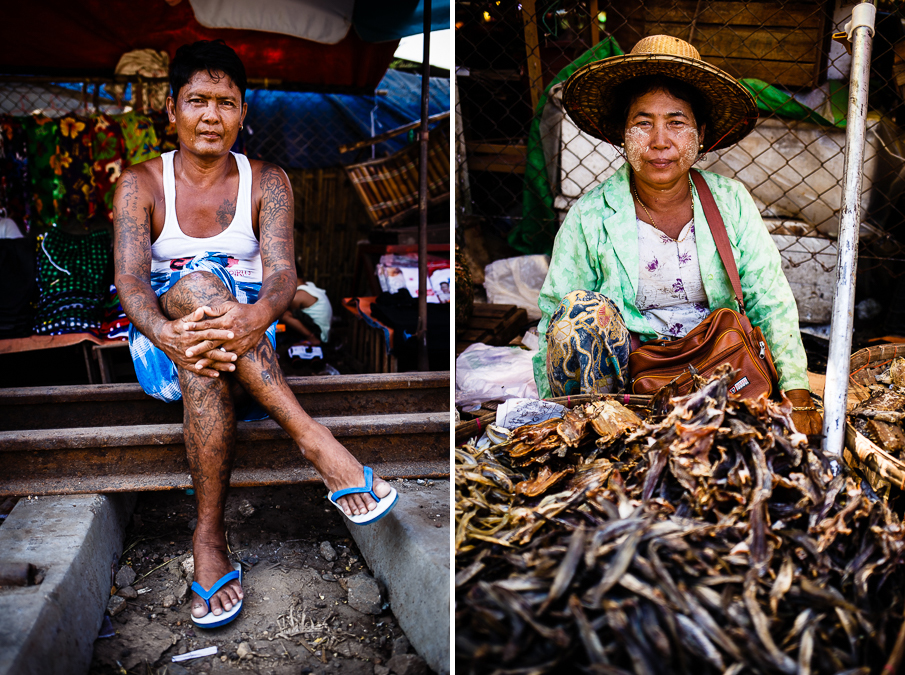
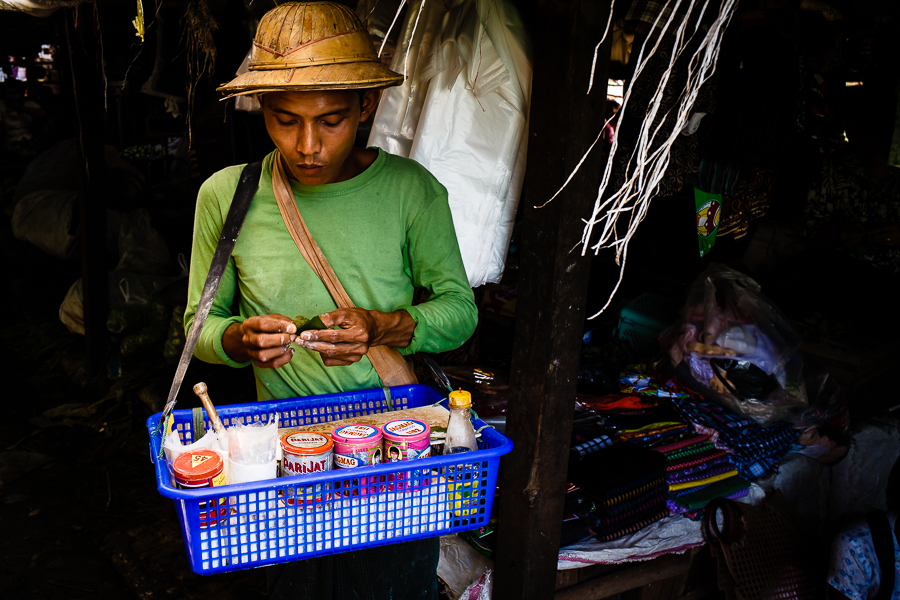
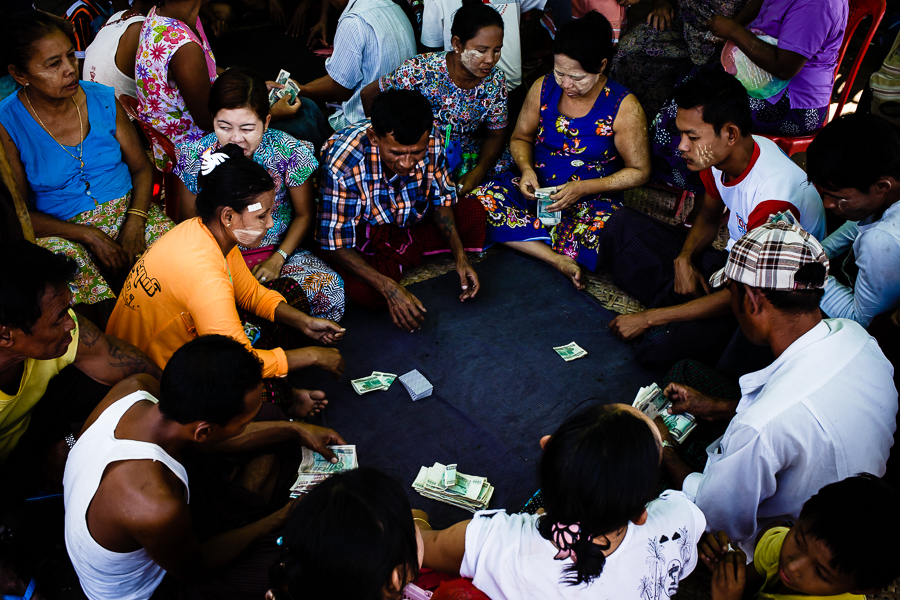
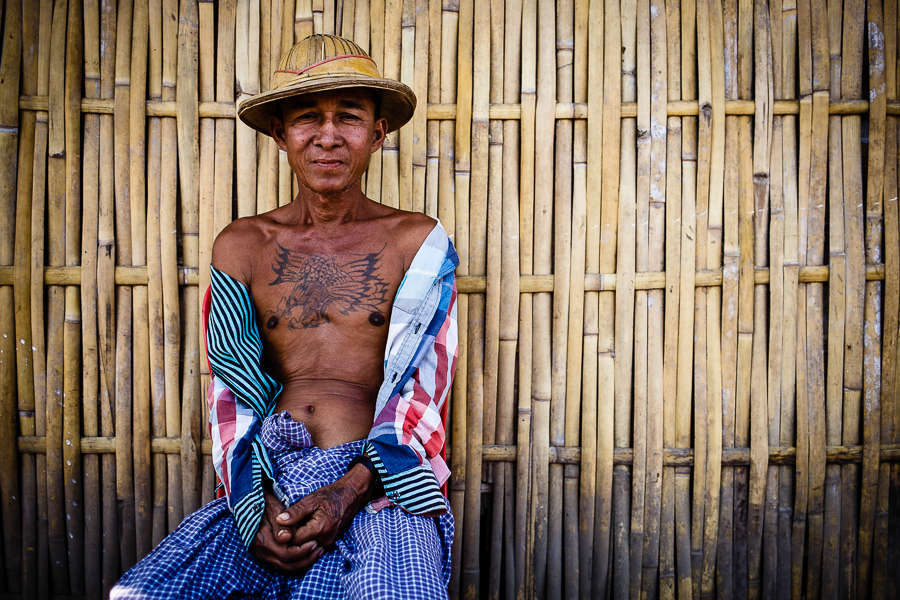
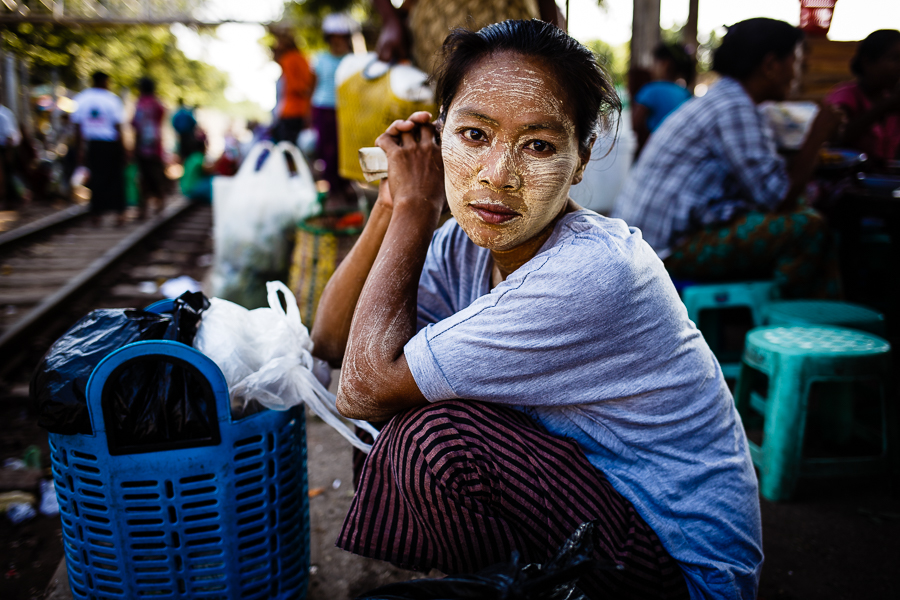
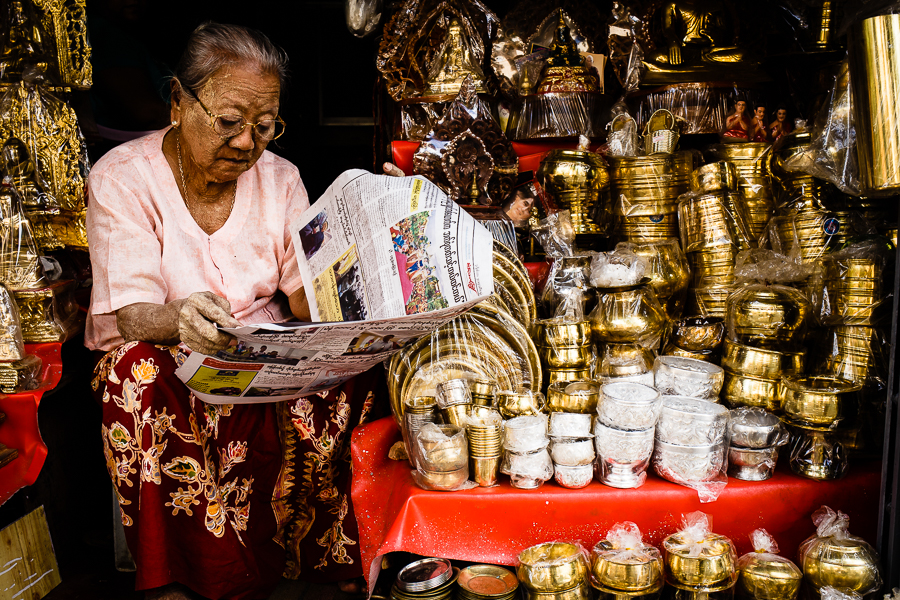
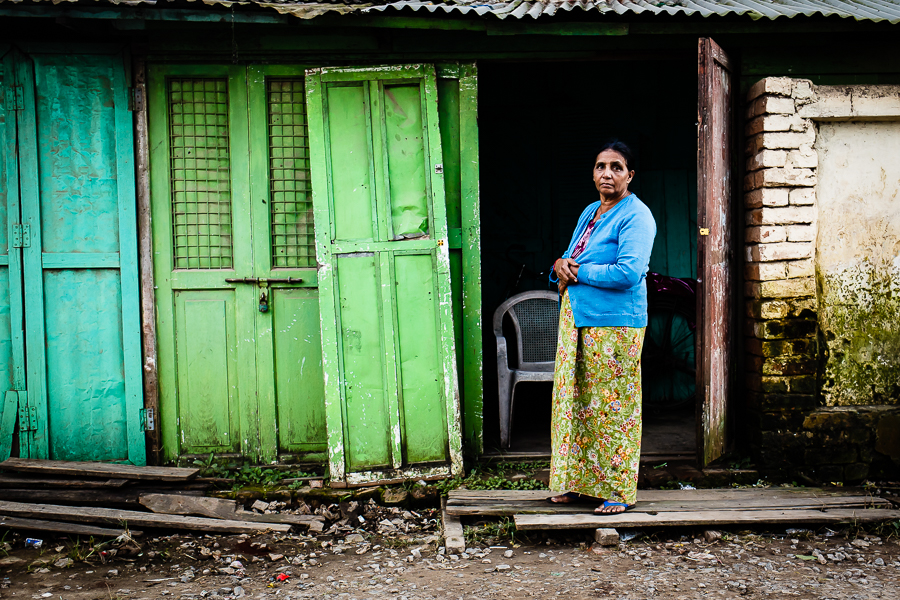
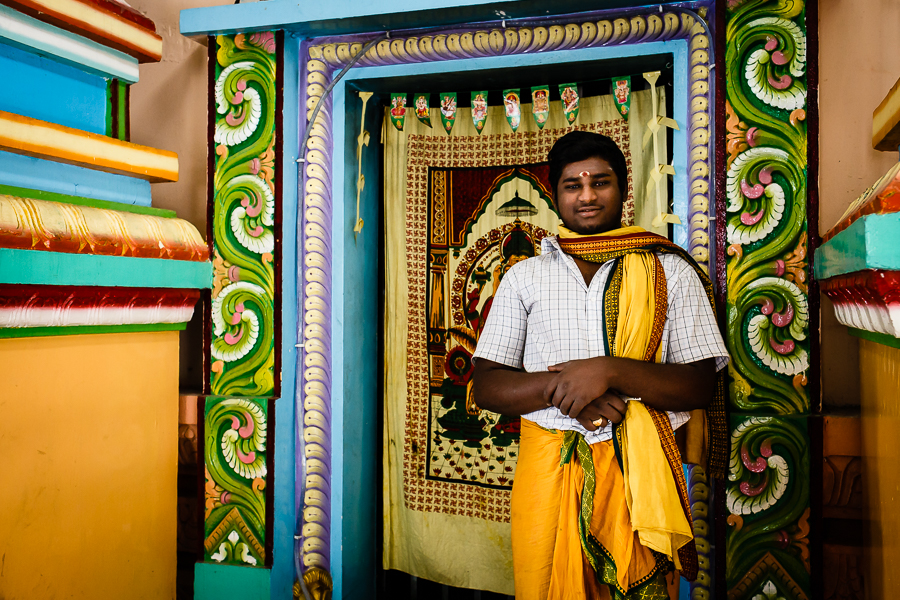
I only took two lenses with me on my four week trip to Myanmar in the autumn: a 35mm and an 85mm. I wanted to keep things simple and light by only using prime lenses. I ended up using the 35mm about 90% of the time, typically switching to the 85mm late in the day. It’s a great combination for someone mainly interested in portrait photography. The 35mm is ideal for environmental portraits, showing a person in context (as above), while the 85mm lends itself to close-up head shots (as below). Both are relatively small and light, and encourage the photographer to get close, but not too close, to their subject. With both lenses, my physical distance from the person I’m photographing is about the same: close enough to establish some kind of connection, however fleeting, but not so close as to invade their personal space.
I’m finding my standard zoom lens increasingly cumbersome, and rarely use it these days, so much so that I’m thinking of trading it in for a wide-angle prime. While I never really wish for anything longer than 85mm, there were occasions on this trip when I would have liked something wider than 35mm, particularly for landscapes and architecture. Does anyone else out there have any experience of going zoom-free? I’d be interesting in hearing your thoughts.







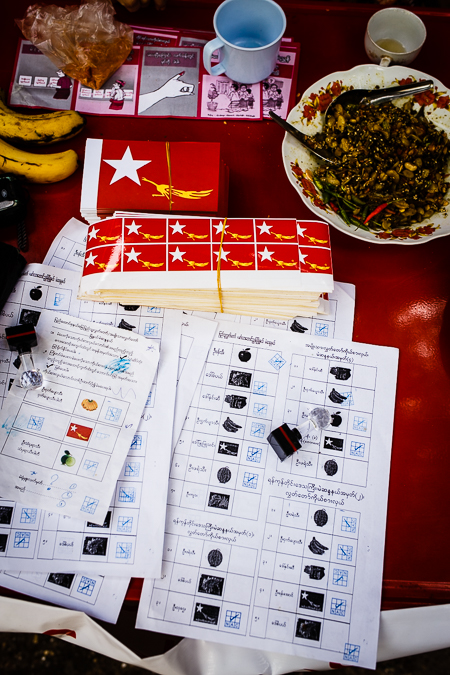
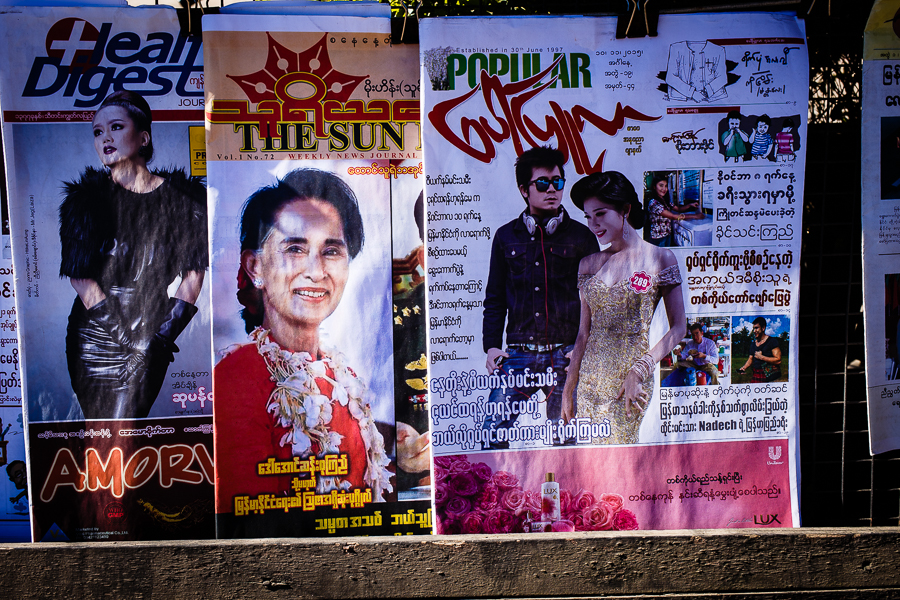
My autumn trip to Myanmar coincided with the country’s general election, which resulted in Aung San Suu Kyi’s National League for Democracy entering parliament with a majority for the first time, following decades of military rule. Everyone I spoke to about the election seemed to be cautiously optimistic – hopeful that the election would lead to real change, but wary about the ruling party’s willingness to make way. Aung San Suu Kyi herself appeared to be a genuinely unifying presence, calm, intelligent and dignified (a kind of anti-Trump), her image on posters, billboards and front pages throughout the country.
This collection of pictures is by no means a comprehensive account of the events of last November, just a few election-themed images that caught my eye.



Right now, if I could choose one city in the world to wander around in with a camera, it would be Yangon. My visit in November last year was my second time in the city, so it was familiar enough for me to feel comfortable and orientated, but not so familiar that I felt like I’d seen it all before. I spent a lot of time just zigzagging my way through the tightly-packed grid of streets in downtown Yangon, no particular destination in mind, just looking for a character, a scene or a detail to photograph.
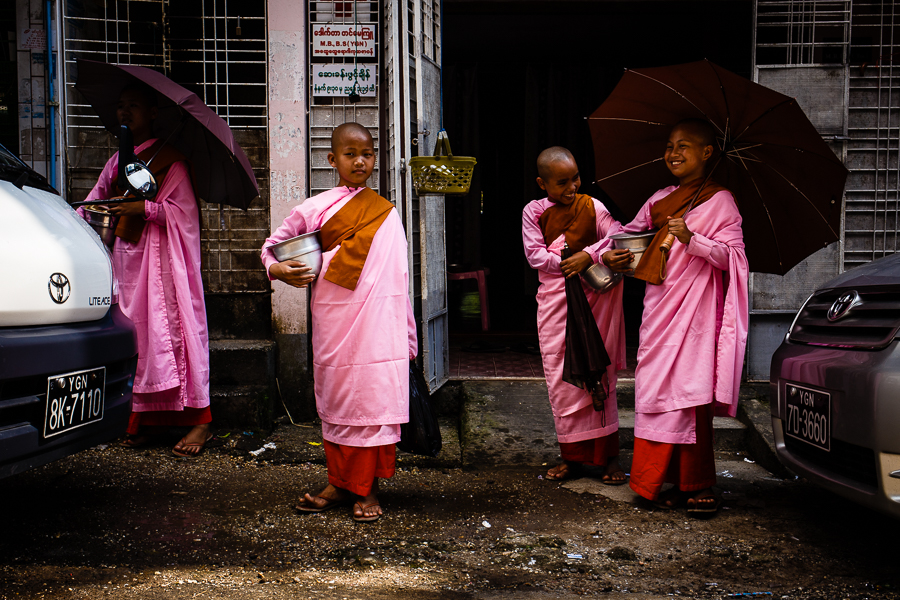




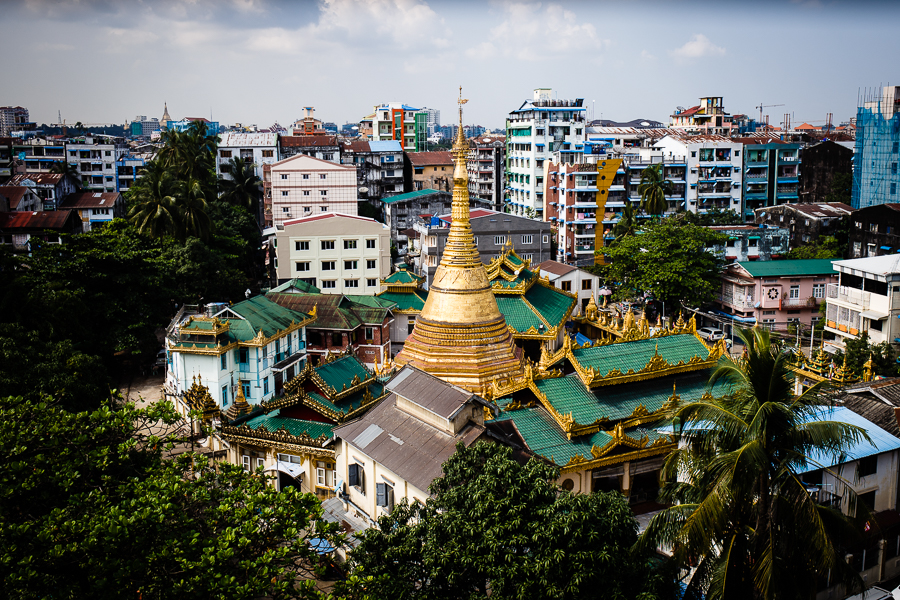
As I mentioned before, there’s no shortage of pagodas and monasteries in Yangon. This neighbourhood pagoda was the other side of my hotel from the monastery featured in my previous post. In the first and last pictures in this set, you can just about make out Shwedagon Paya on the city skyline, looking down on its baby brother.

In the street just outside, there’s a row of small workshops where craftsmen make and sell miniature Buddha replicas covered in gold leaf.
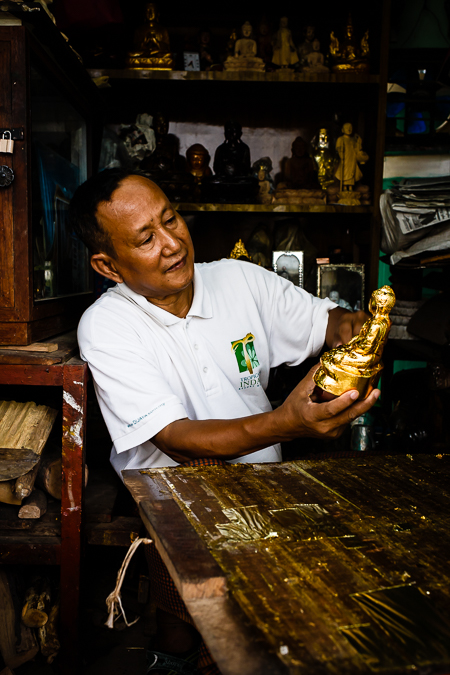


You don’t have to go very far to find a Buddhist site of one kind or another in Yangon. While the iconic Shwedagon Paya looks down on the city from its hilltop, at street level there are countless pagodas, monasteries and shrines in various sizes and states of repair. This slightly ramshackle monastery was just across the street from my hotel, and if I was better at keeping notes while I travel, I’d be able to tell you its name.


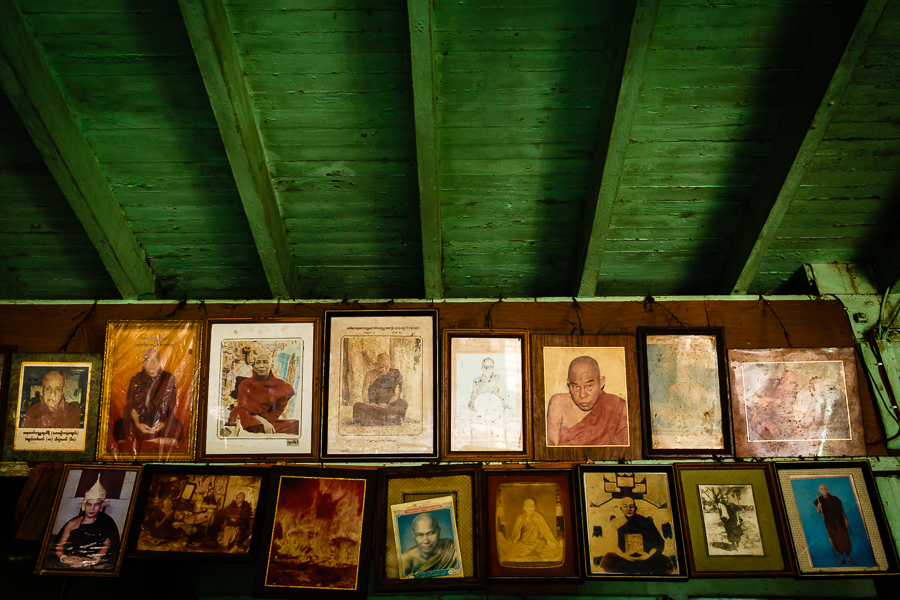

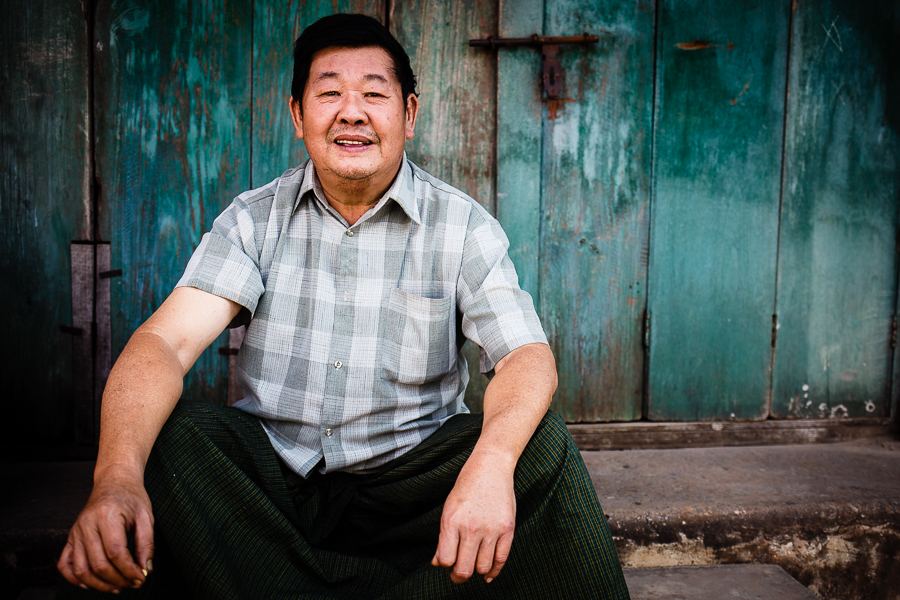
Even though my autumn trip to Myanmar wasn’t that long ago, I’m already feeling a little nostalgic about it, perhaps because the weather here in Hanoi has turned cold and wet, perhaps because I’ve barely picked up my camera since I got back. It’s a familiar pattern for me: I go away on a trip, take loads of pictures, then come home and spend so much time sorting and editing that I neglect to take any new pictures, thus losing all the momentum that I built up while I was away. I’m a simple man, and my tiny brain can only cope with one project at a time, it would seem. I know that some photographers always have a camera with them, and are constantly shooting, but it’s never really been that way for me. I tend to have periods of activity, followed by periods of, for want of a better word, sloth. This used to bother me a lot more than it does now. I may not be taking any new photographs at the moment, but I still have more from the Myanmar trip to go through, and I know that, sooner or later, the urge to do something new will take hold again.
In the meantime, here are a few more from Shan state in northern Myanmar, taken in Pyin Oo Lwin and Hsipaw in November last year.
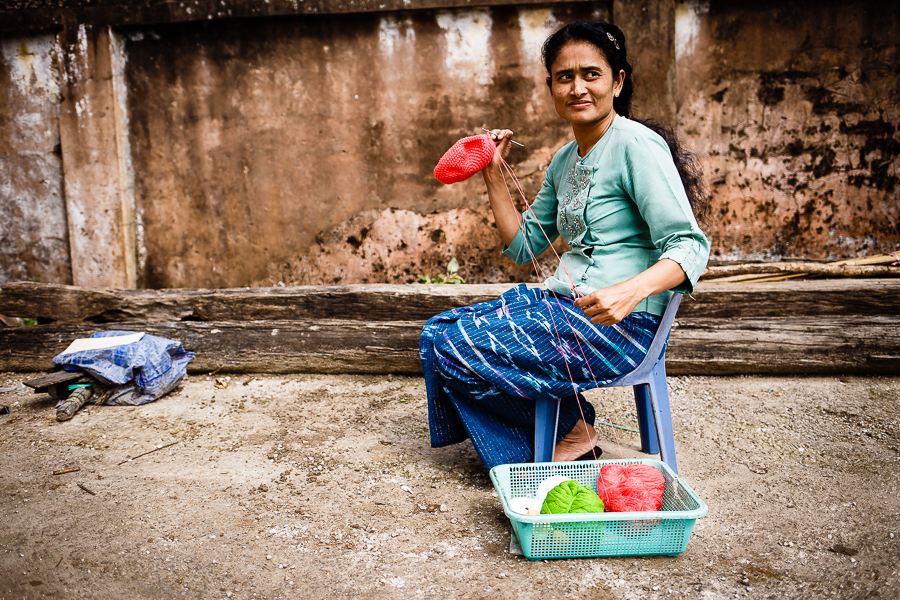


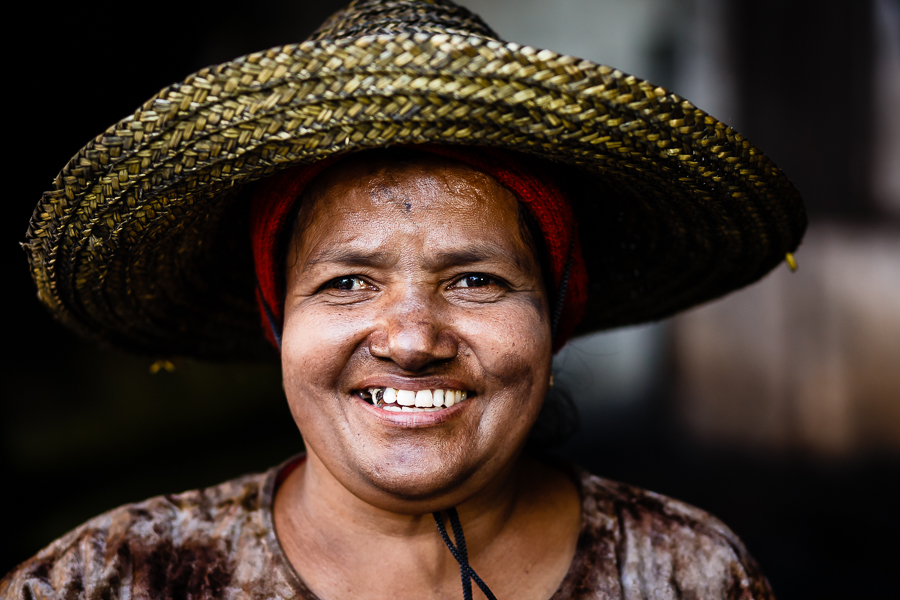
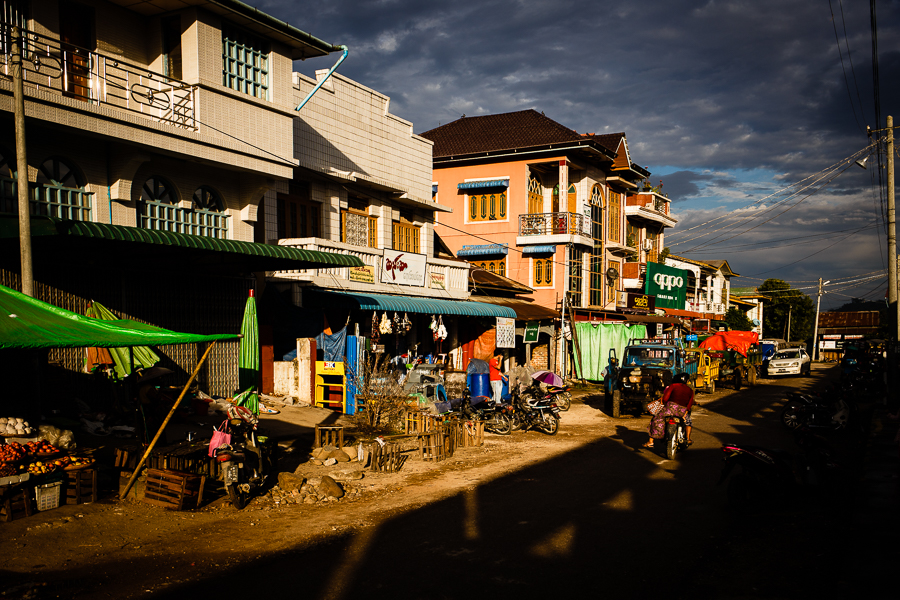
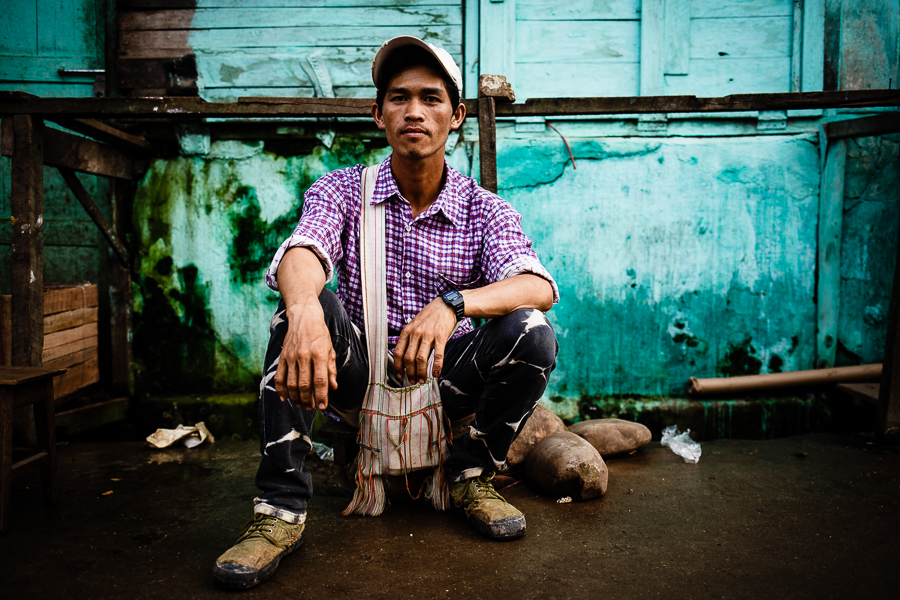


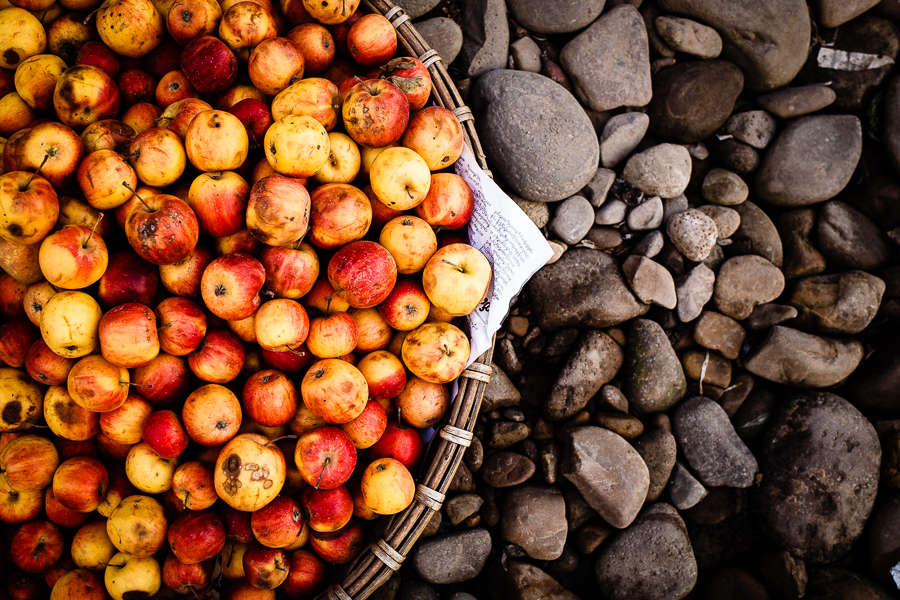
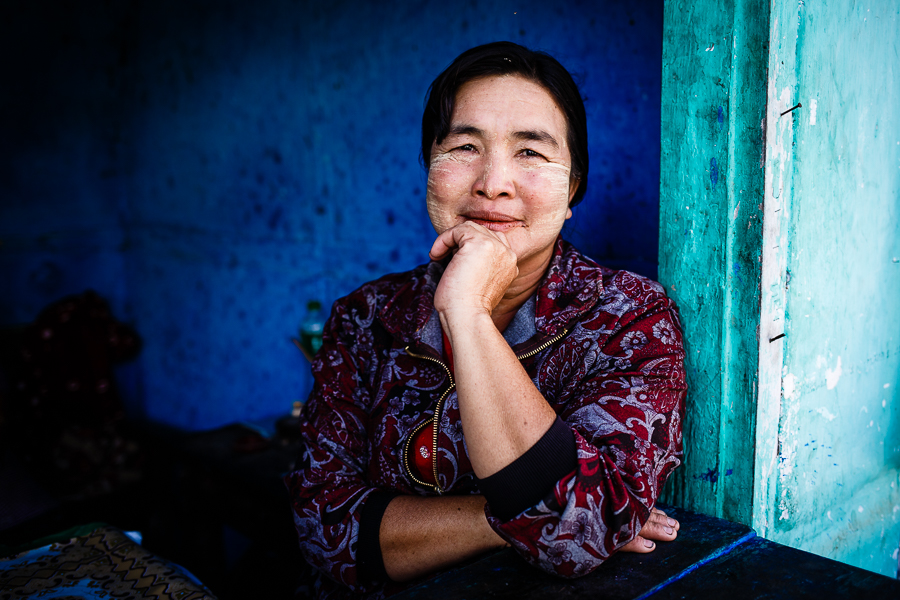
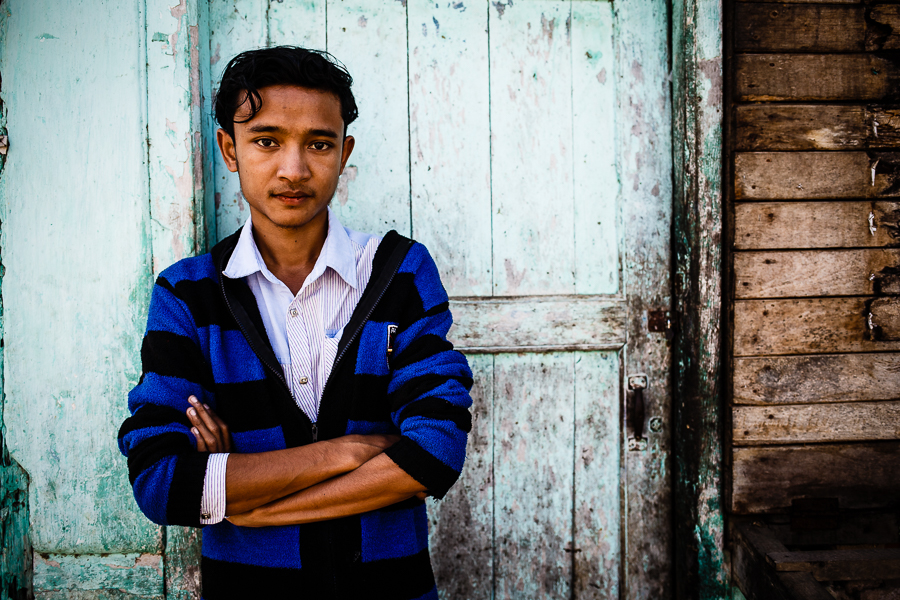
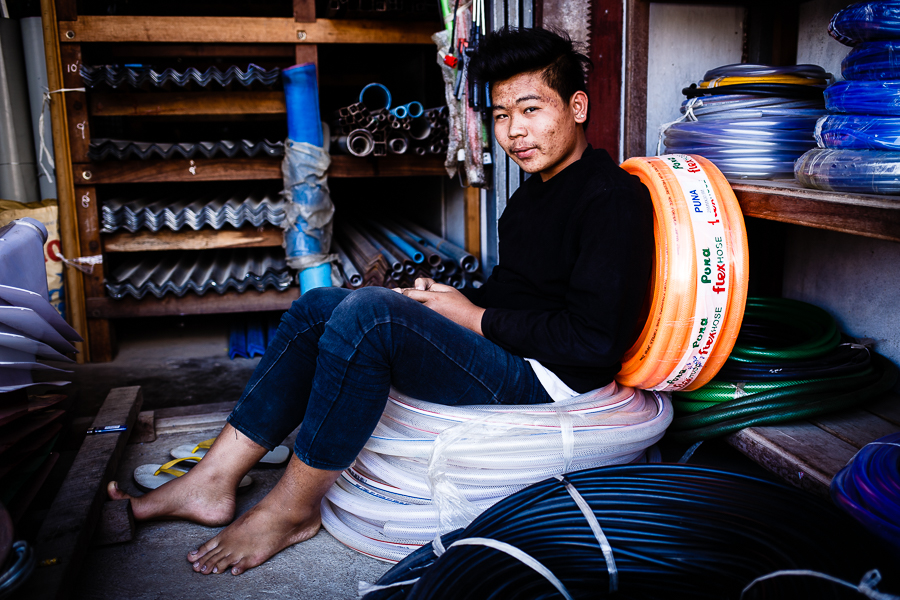
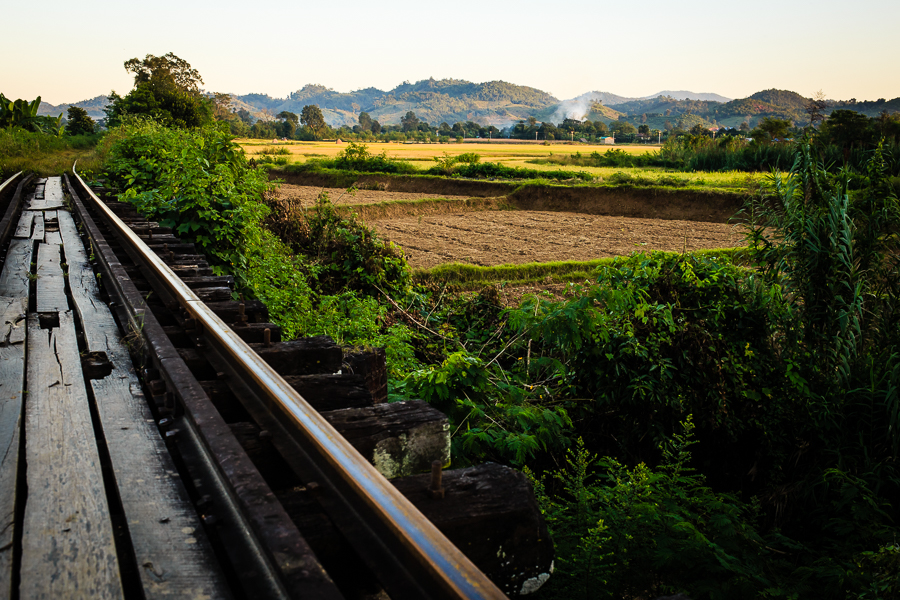
Some pictures from Hsipaw, in Shan state, Myanmar: market portraits and details; a mosque and a stupa; a view from a hill; sweetcorn (ugh); and a walk along the railway tracks.




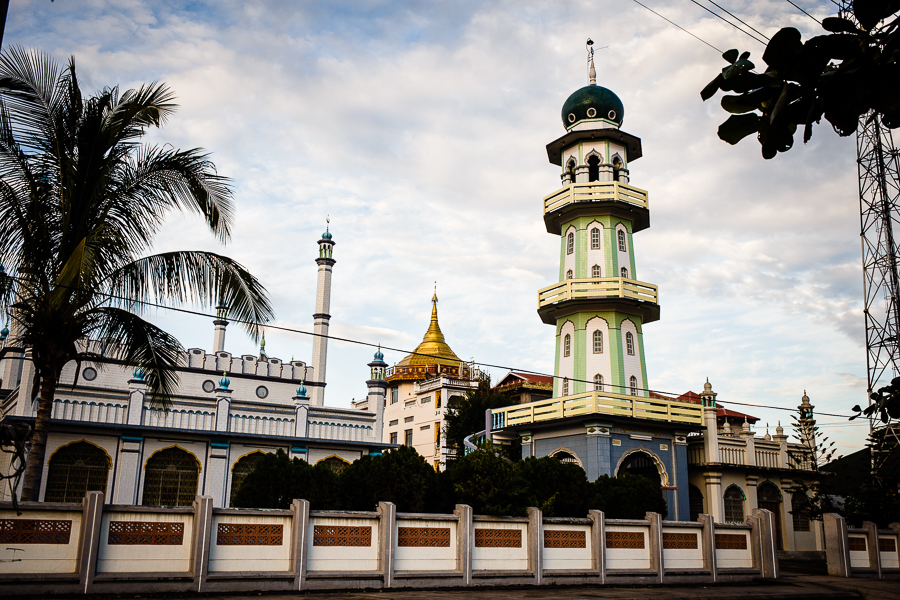
Hsipaw’s main mosque, with Buddhist pagoda in the background


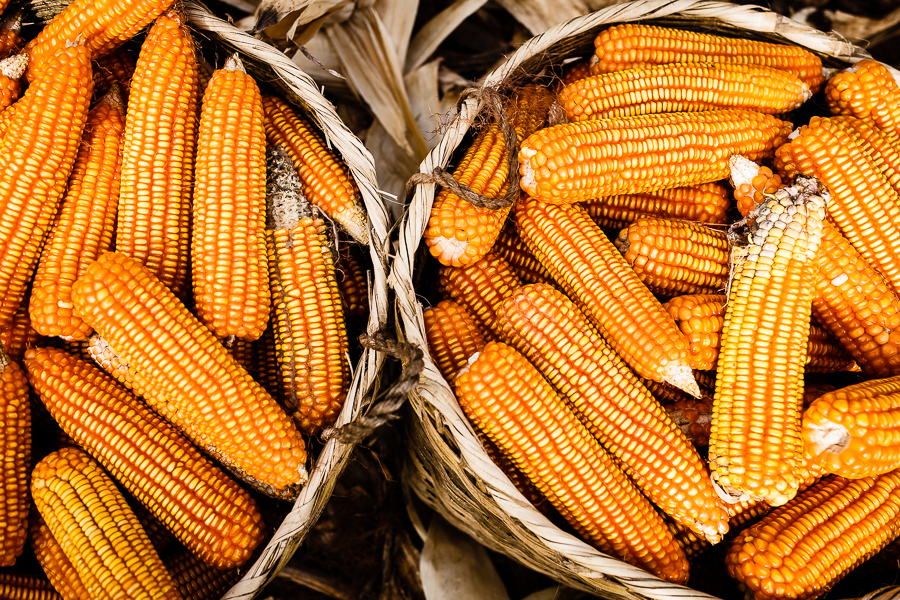
Ugh
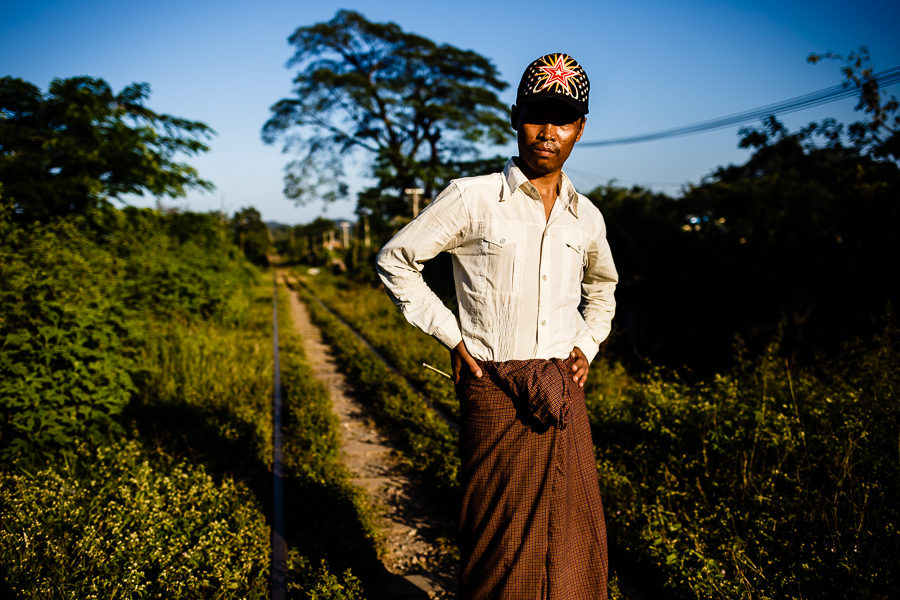
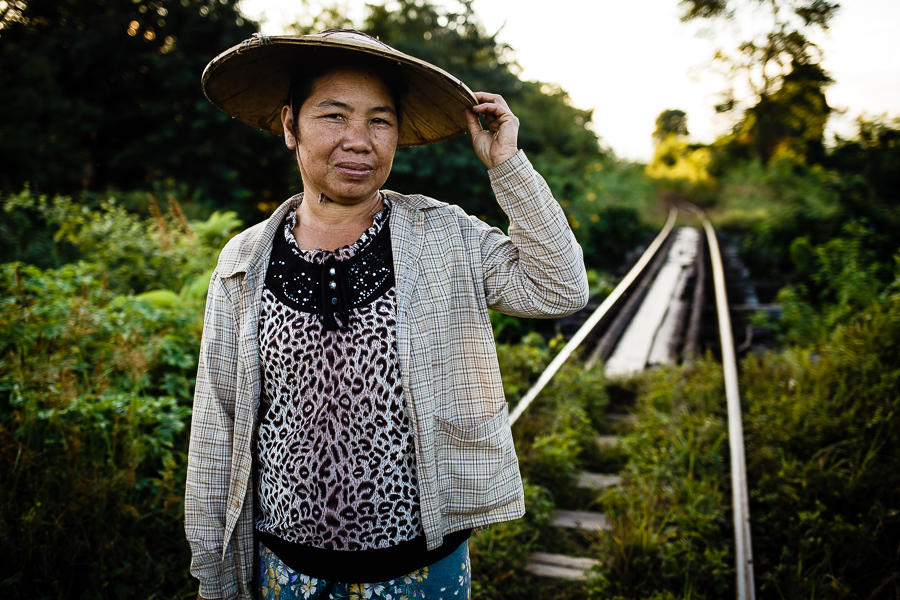
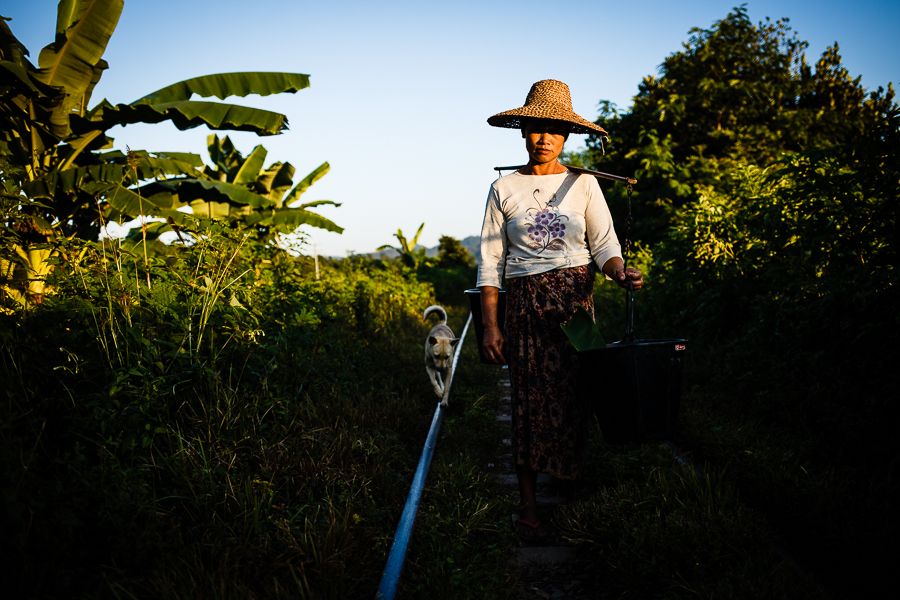

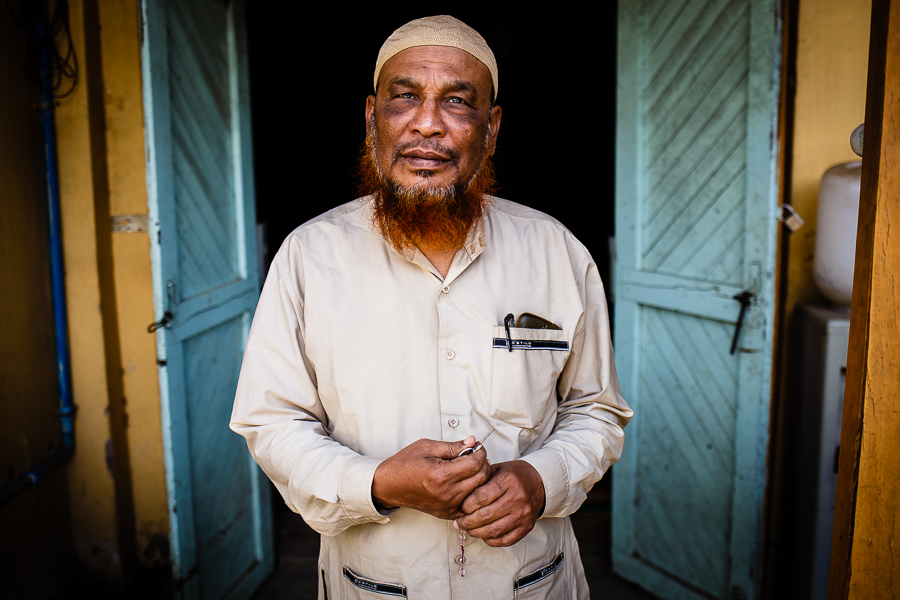
Pyin Oo Lwin, a couple of hours from Mandalay and at the edge of the Shan Plateau, has a little bit of everything I like about Myanmar. The mixture of cultures and influences – Burmese, Shan, Chinese, Indian, British – can be seen in the people, food and architecture, while its cooler climate and slightly quirky atmosphere reminded me a little of Dalat in Vietnam.






 Without an H