Yellow is the colour
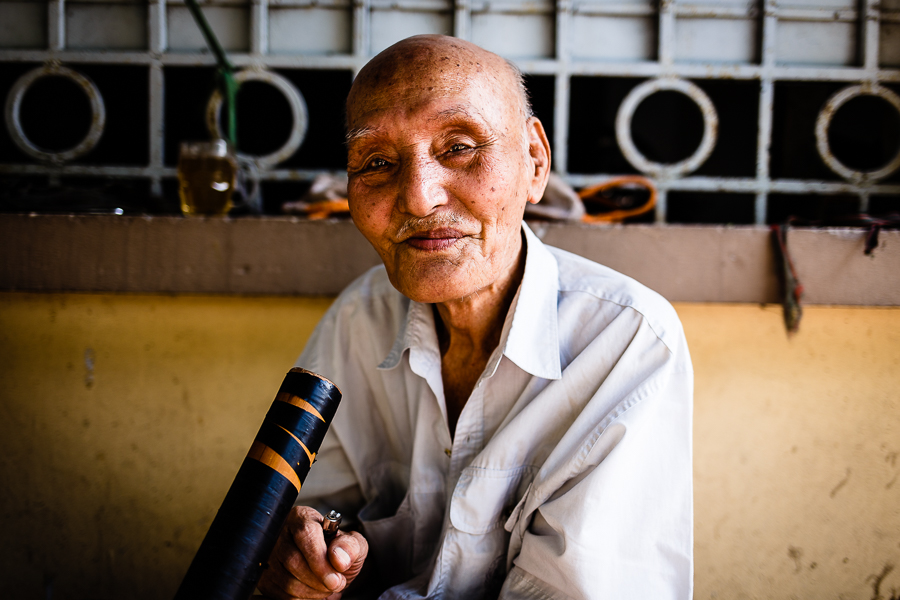
If a city can have a favourite colour, then Hanoi’s must be yellow.
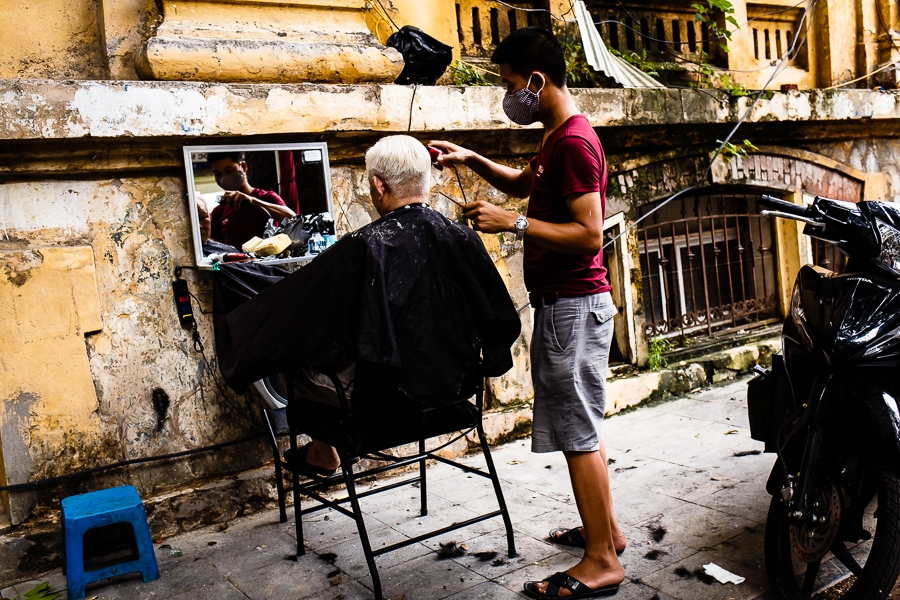
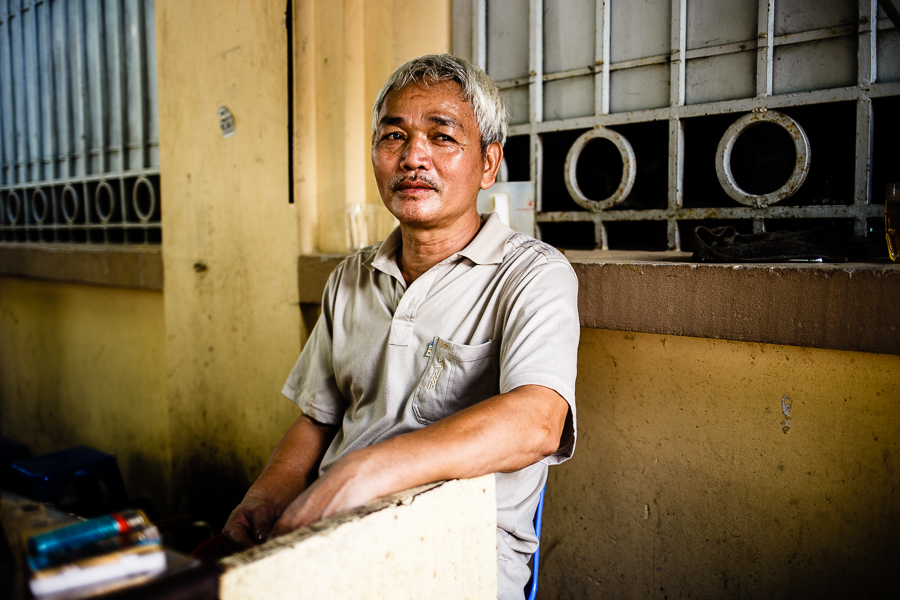
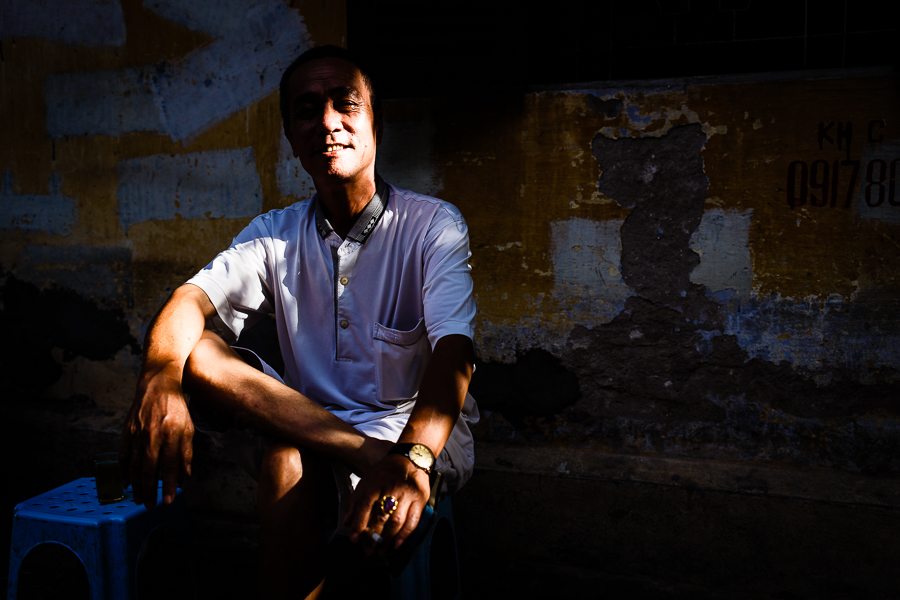

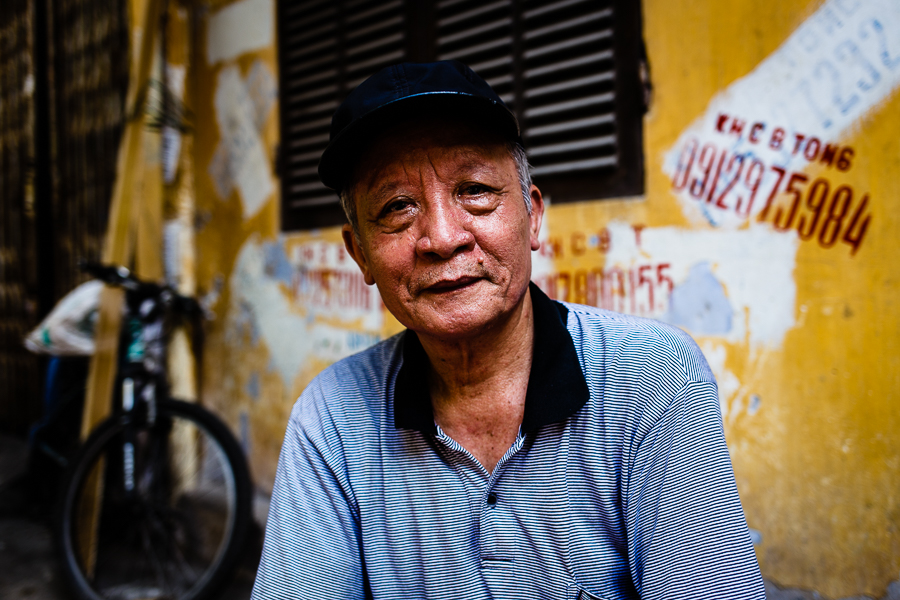
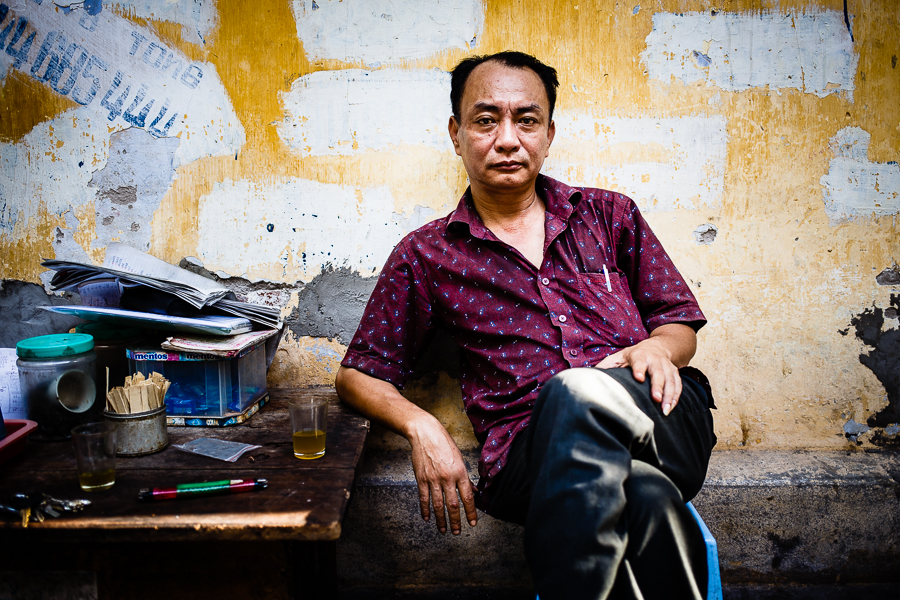
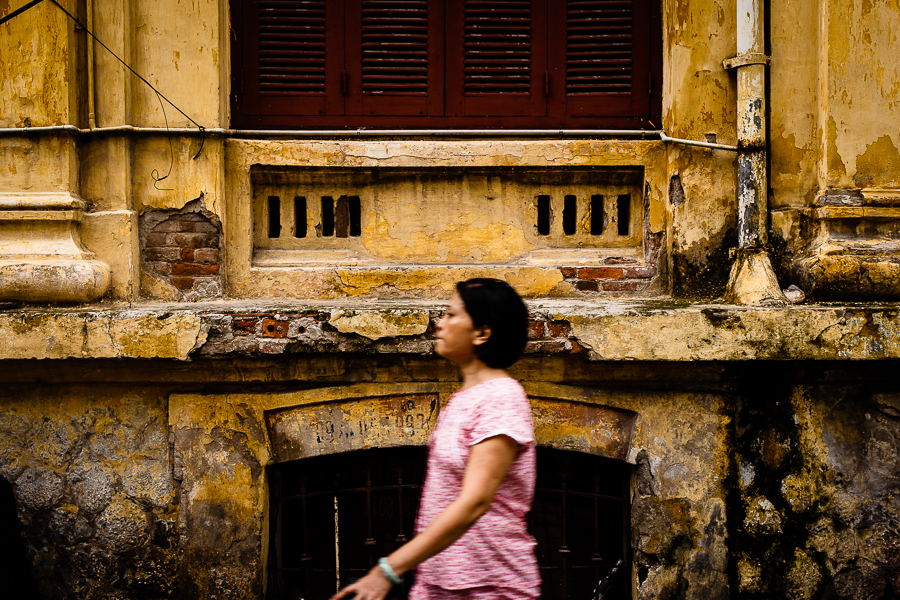
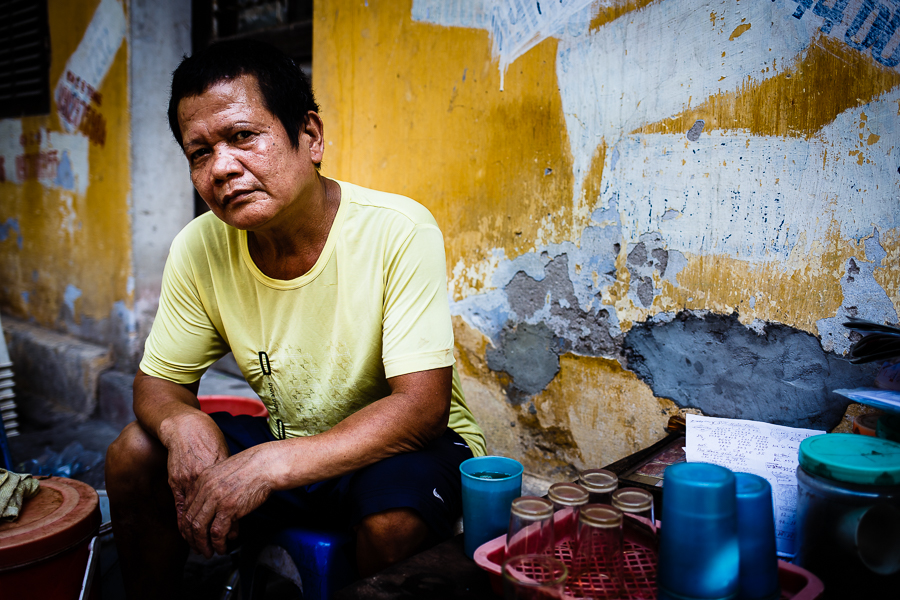
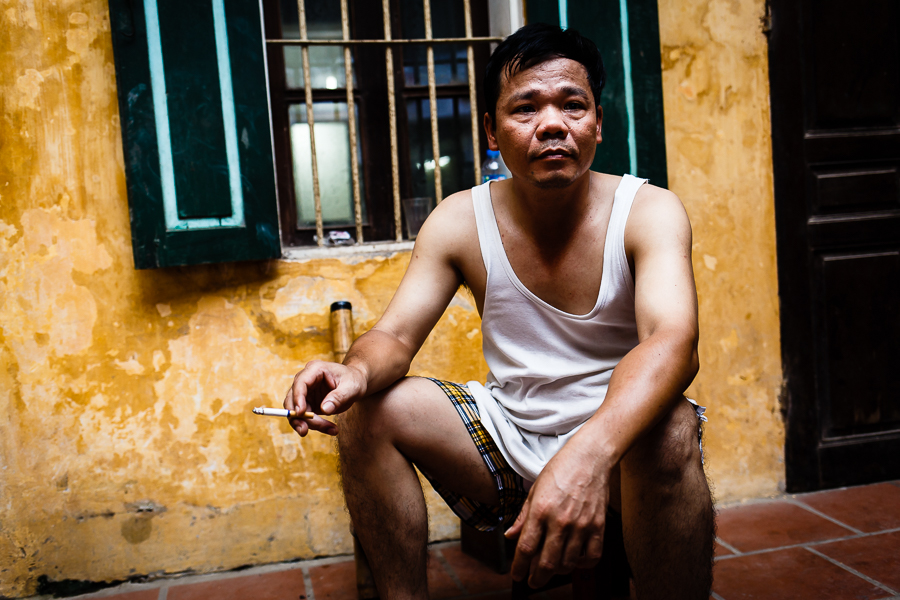
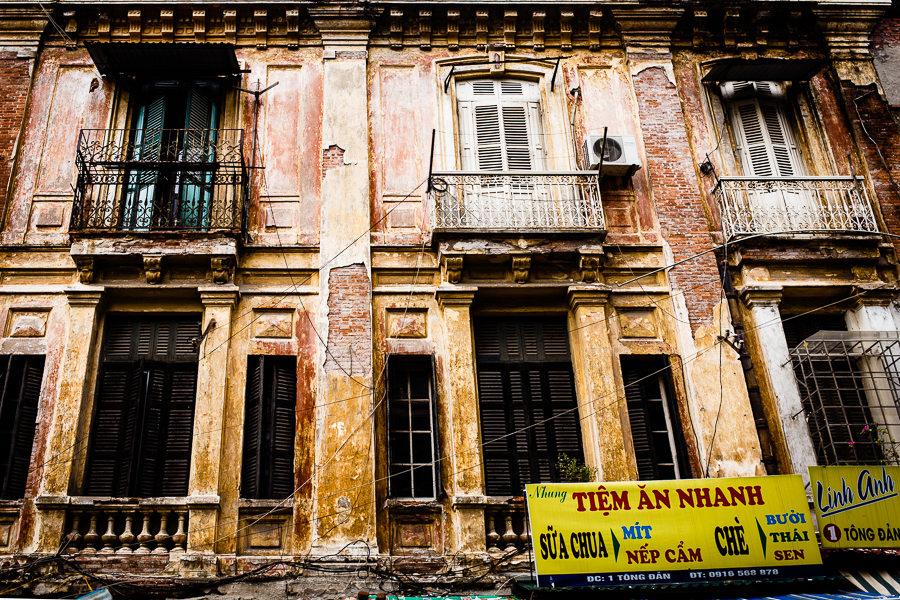
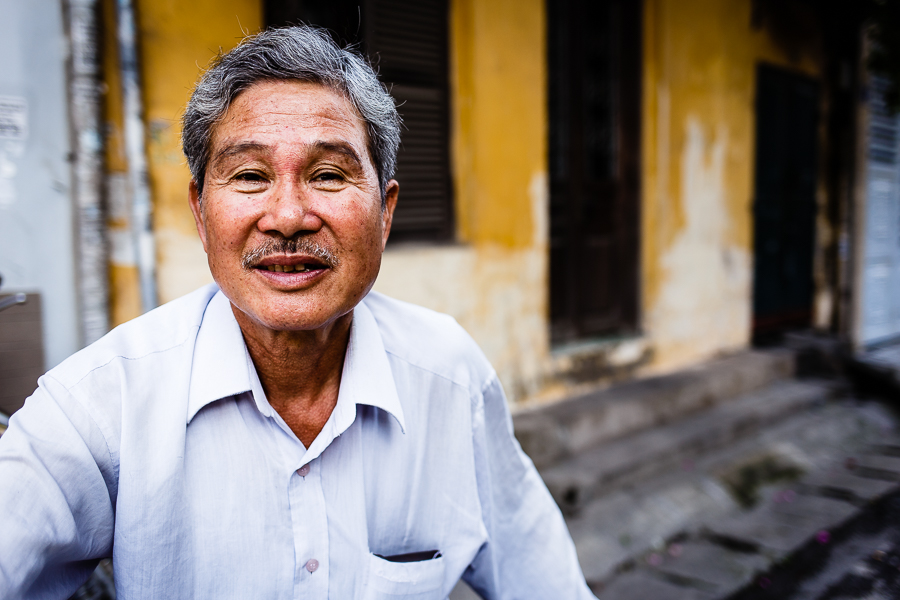
If a city can have a favourite colour, then Hanoi’s must be yellow.
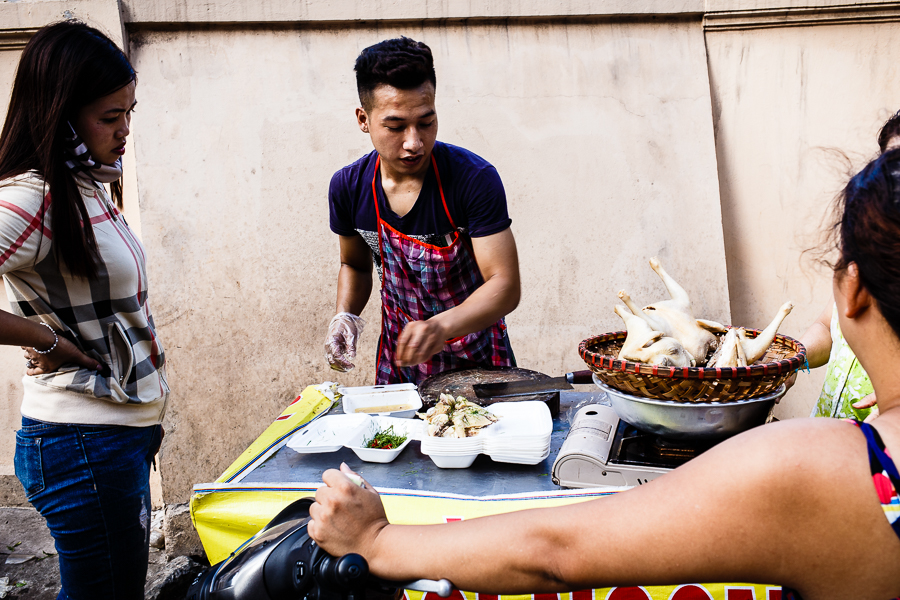
I sometimes think that some of my portraits are a little too static. With this picture, I was trying to make a more dynamic image, with a sense of movement. I’m not quite sure that it quite works as I’d intended, but I like the way that the chicken guy is framed by his waiting customers.
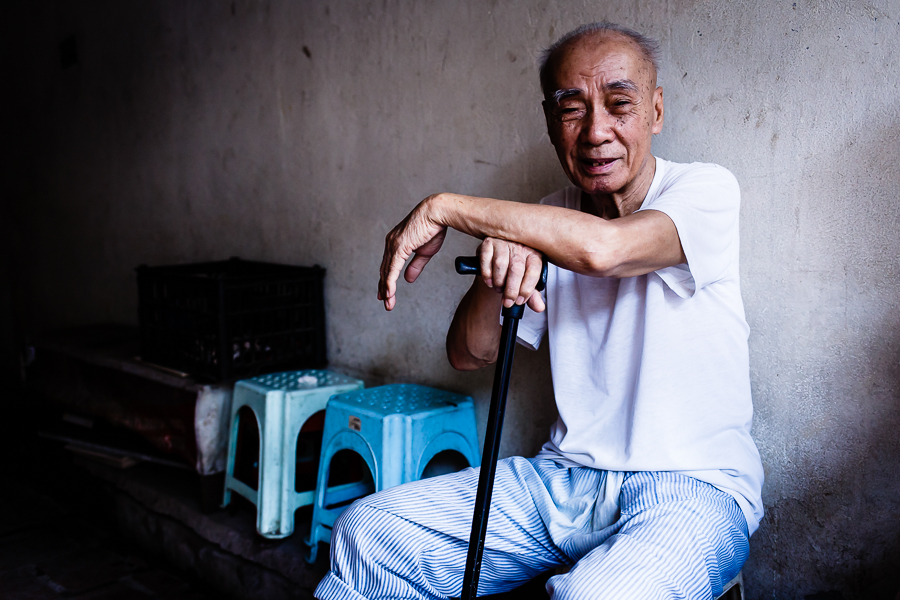
I often look for strong, vibrant colours in my pictures, but I like the more muted tones in this scene.
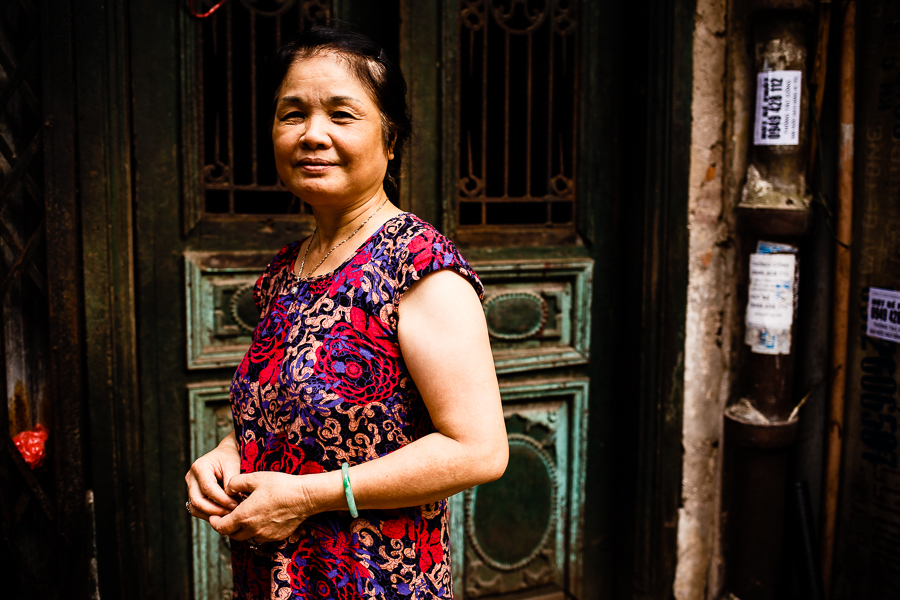 It’s that early evening light again.
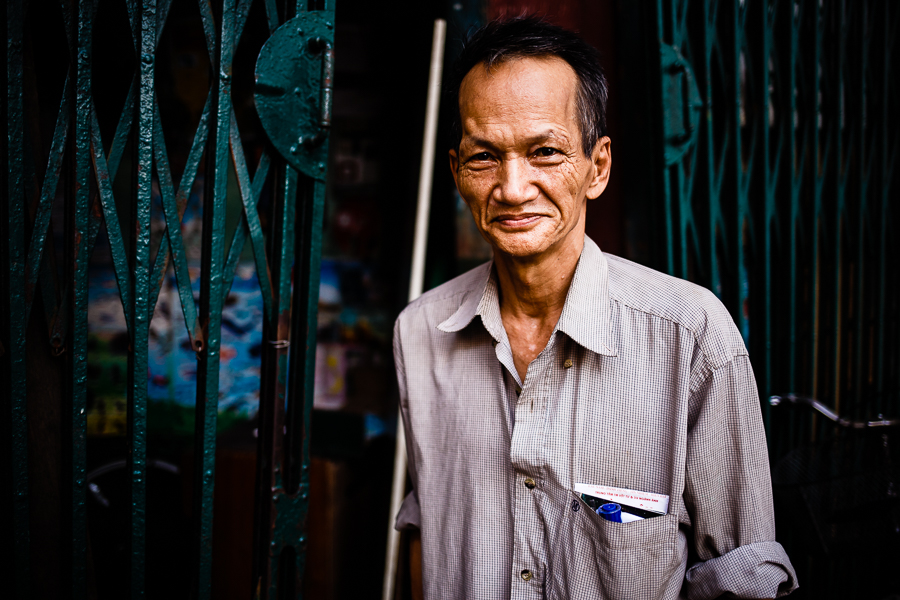
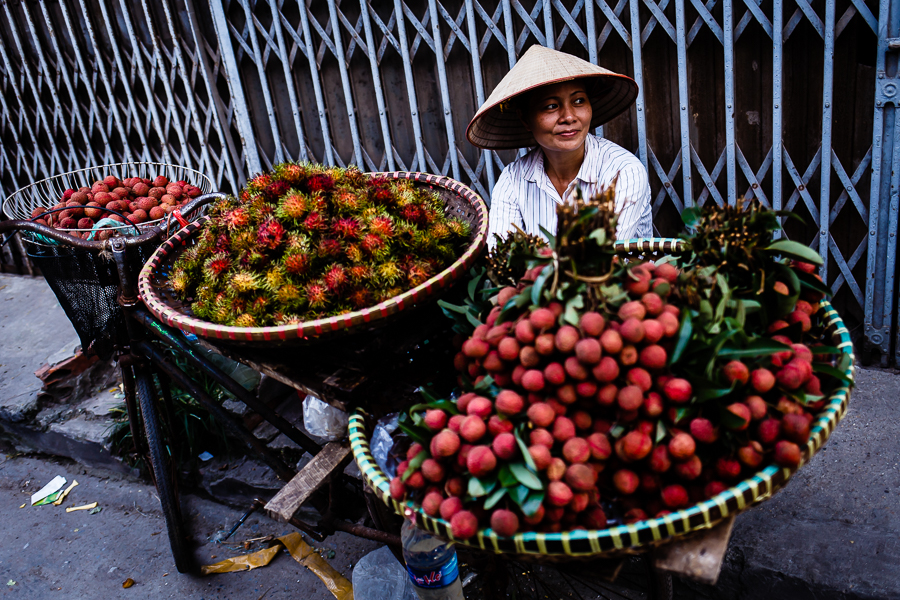
Quick street portrait from earlier today, taken in the An Duong neighbourhood of Hanoi, between the dyke road and the river. It’s blisteringly hot during the day at the moment, so I’ve been shooting in the late afternoon and early evening a lot over the last couple of weeks. I suppose this is a different take on yesterday’s “end of the day” theme. I’ll put together a longer post or two some time soon, but for now, I’ll keep posting single pictures.
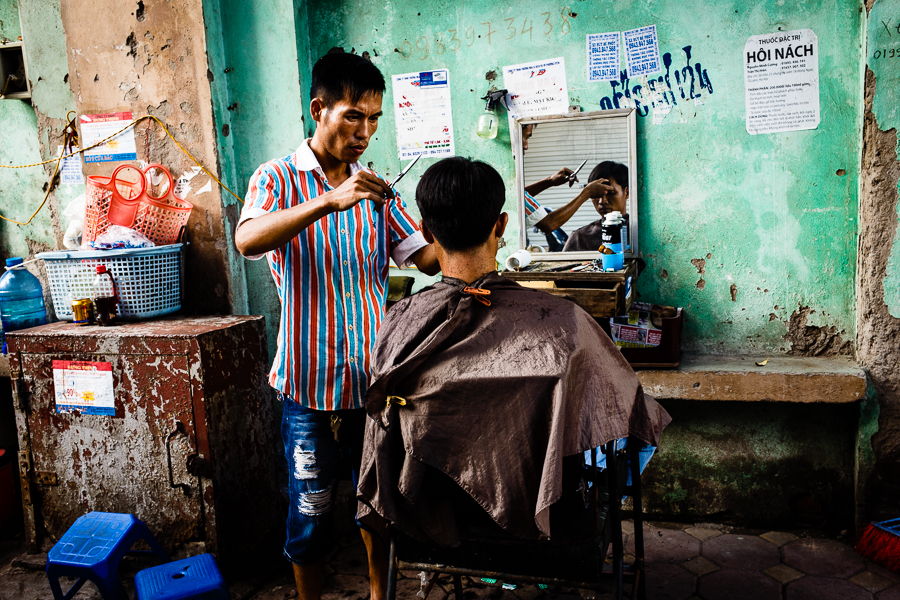
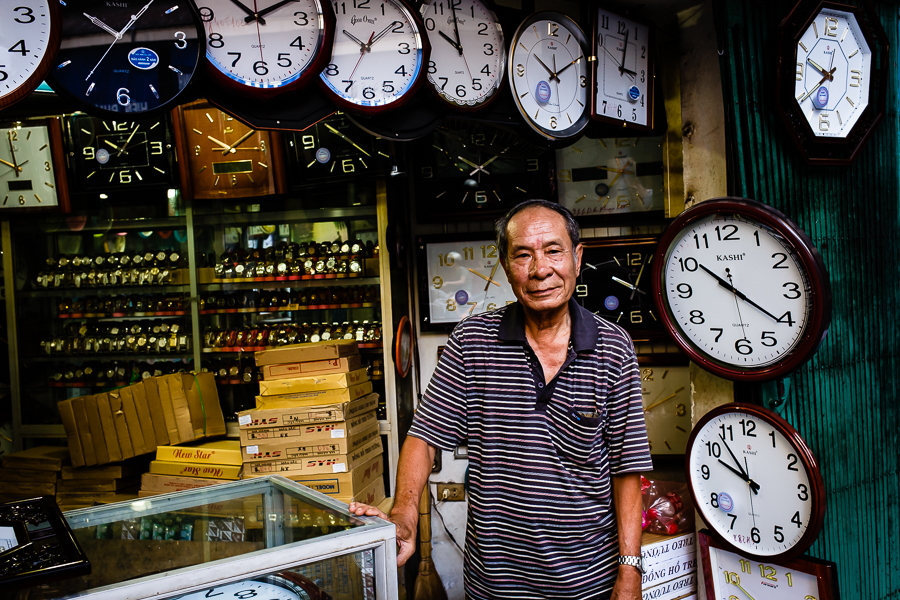
Even a stopped clock tells the right time twice a day. But what if you have a dozen stopped clocks, and they all tell a different time? What then?
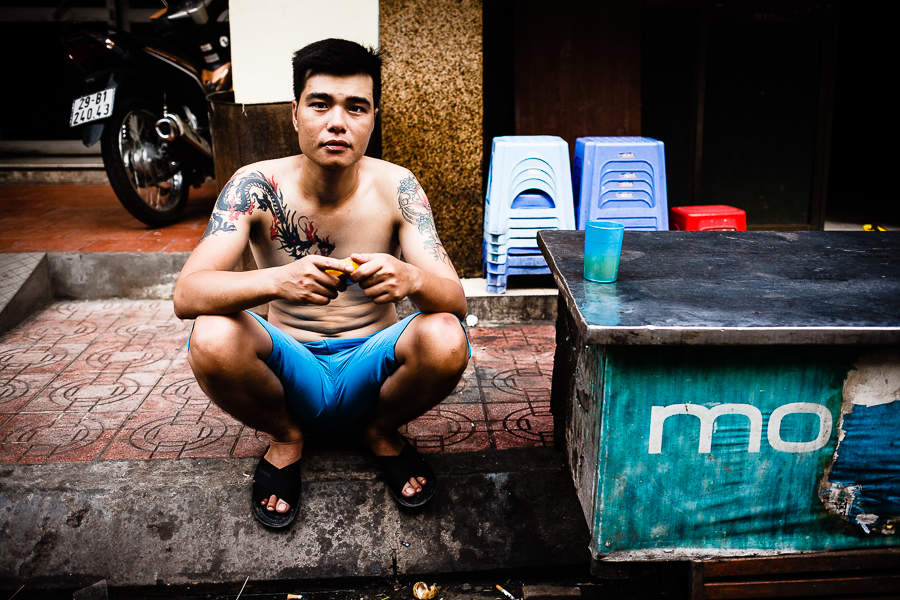
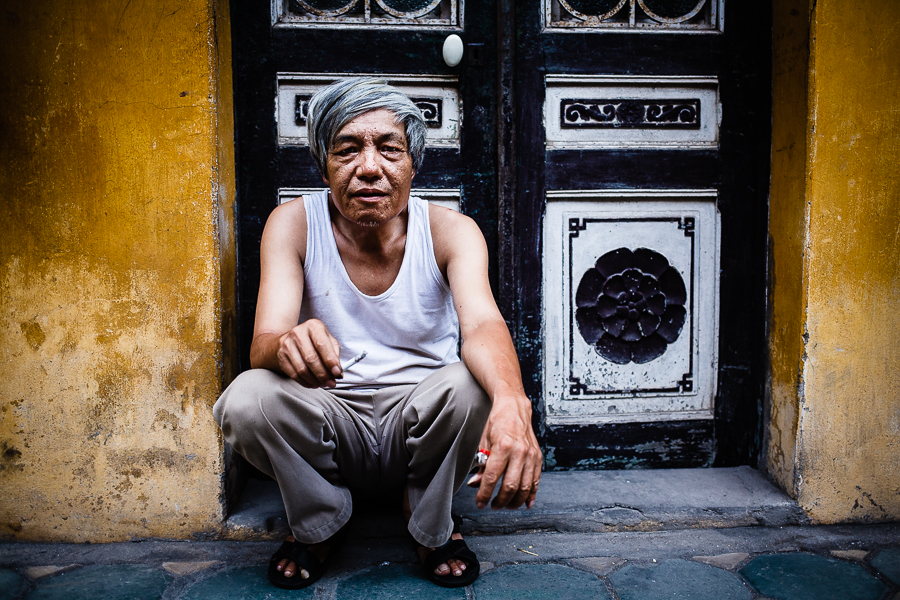
A few street portraits taken in Hanoi earlier this month. What these don’t really show you is how brutally, punishingly hot it’s been.




Mandalay is a slightly odd city, full of history, but a little neglected in the present day. Flat, laid out in straight lines and right angles, and with no obvious centre, it’s not immediately appealing in the same way as Yangon, but there’s plenty to see if you wander round the right corner. I enjoyed walking and driving around on my rented motorbike, exploring the markets and streets.
The men in the picture above are playing chinlone, a kind of keepy-uppy game played with a ball made from rattan. It’s a common sight in open spaces throughout Myanmar.








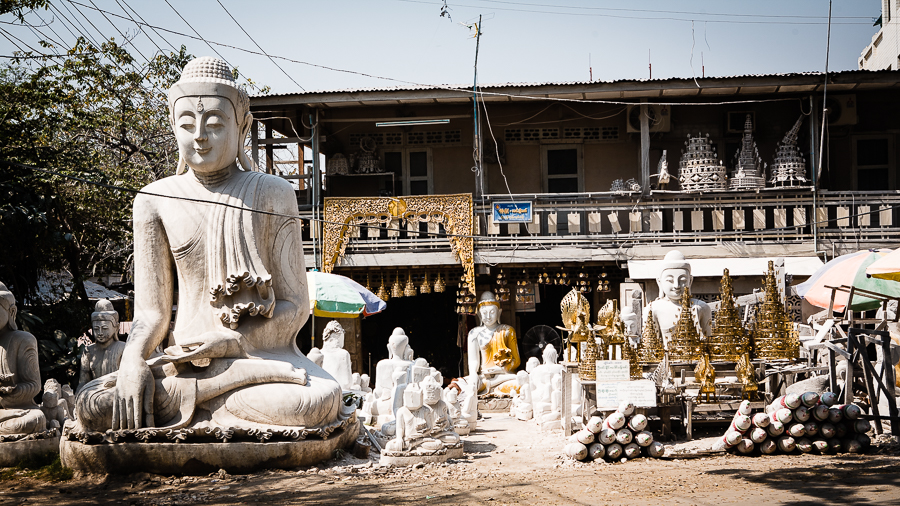
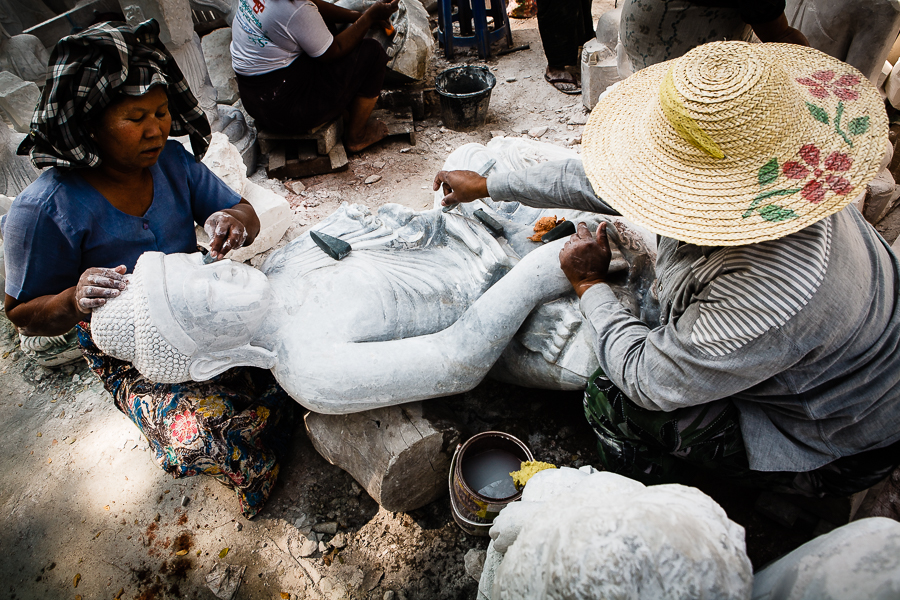
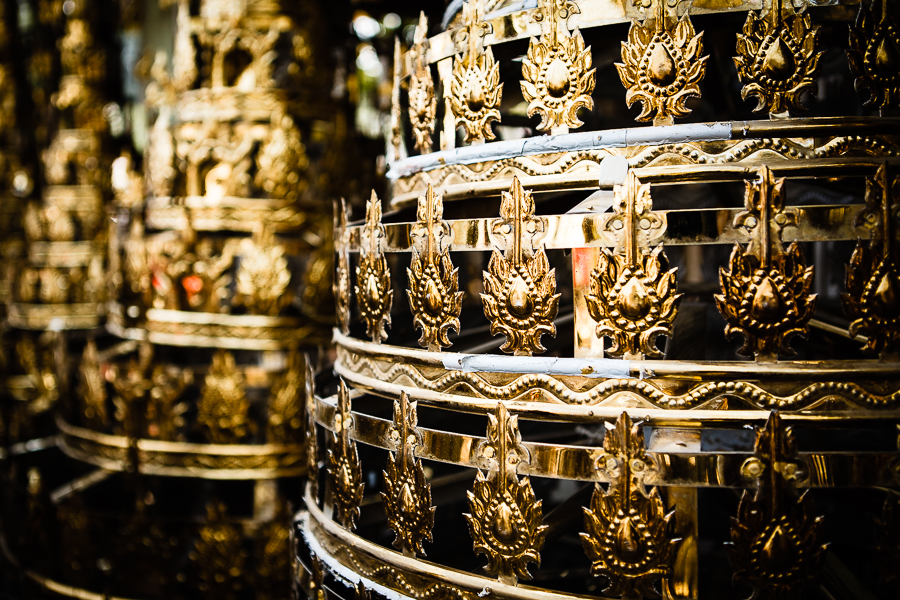
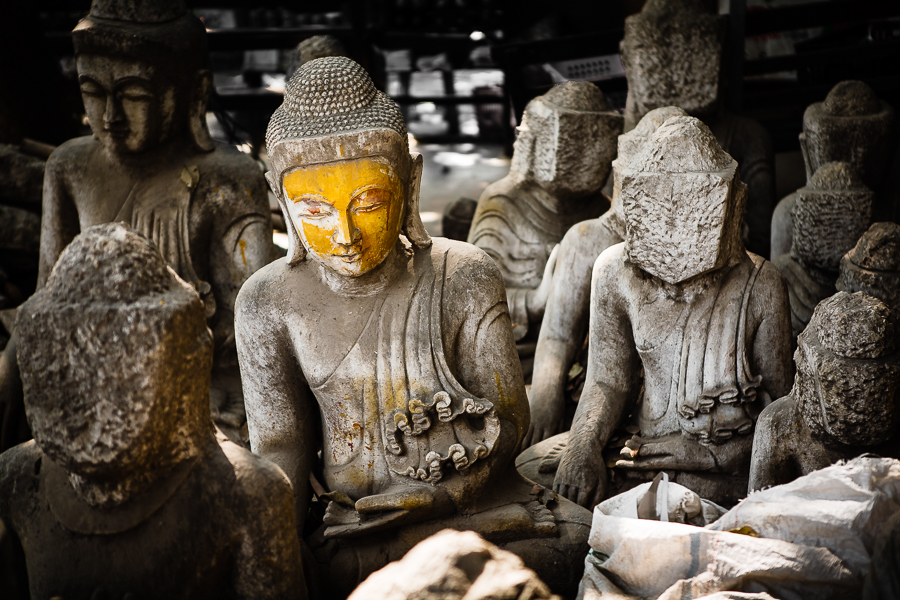
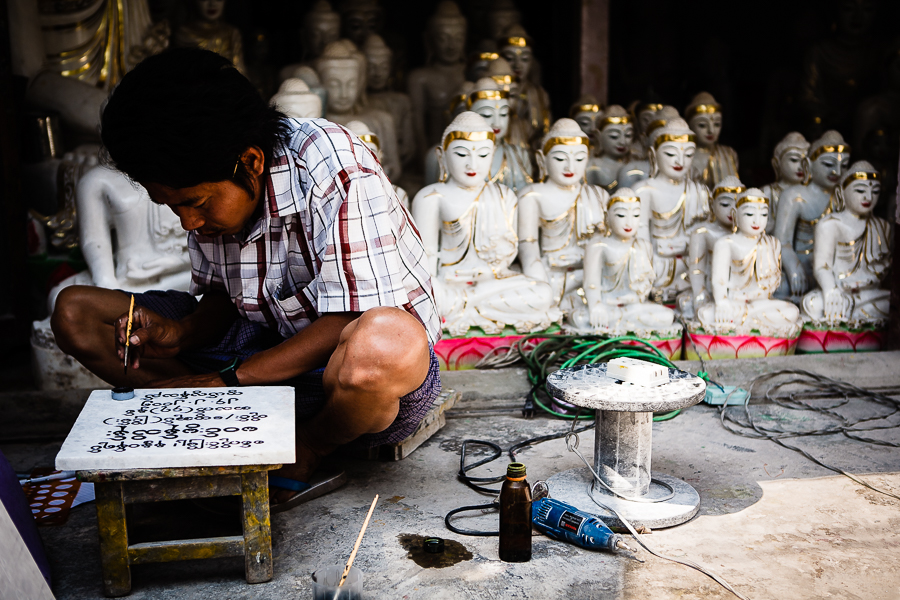
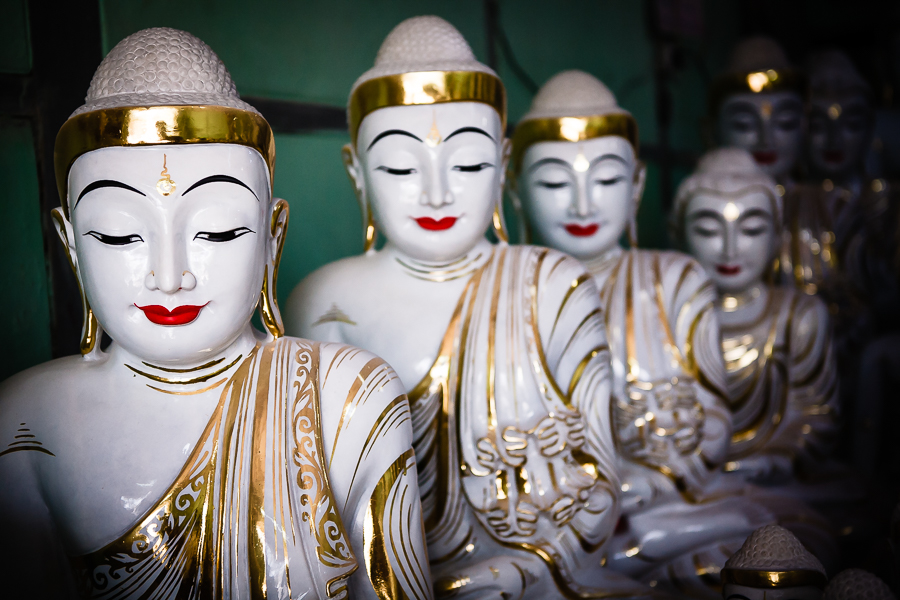
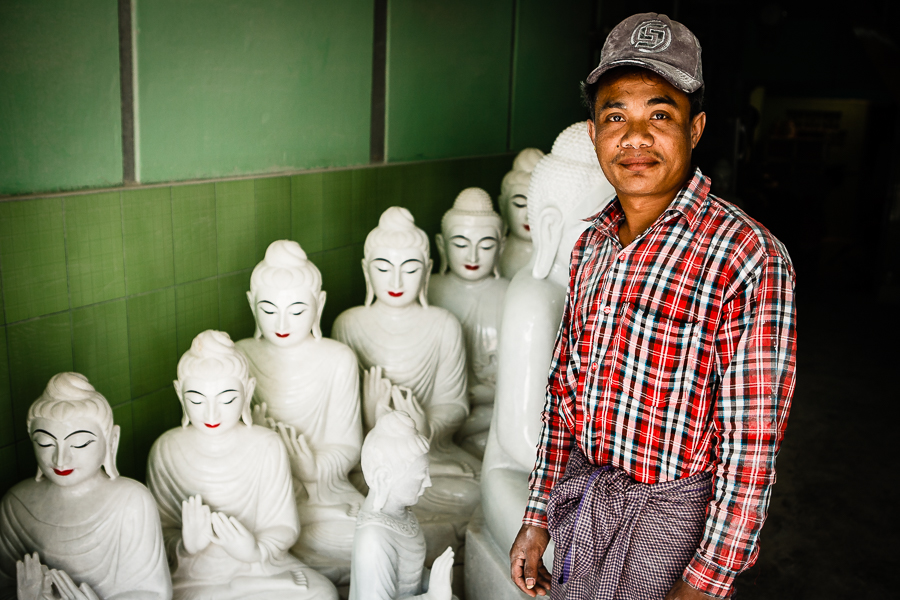
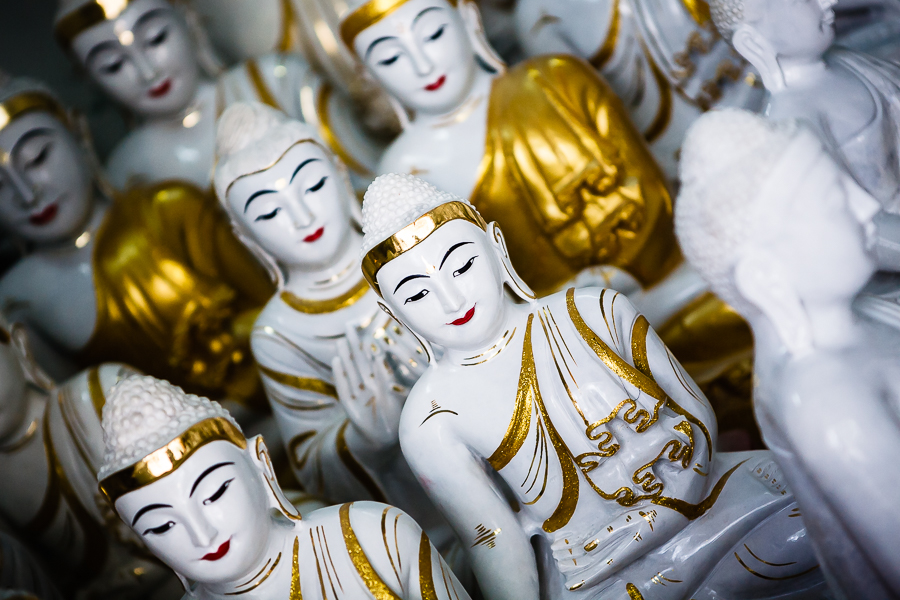
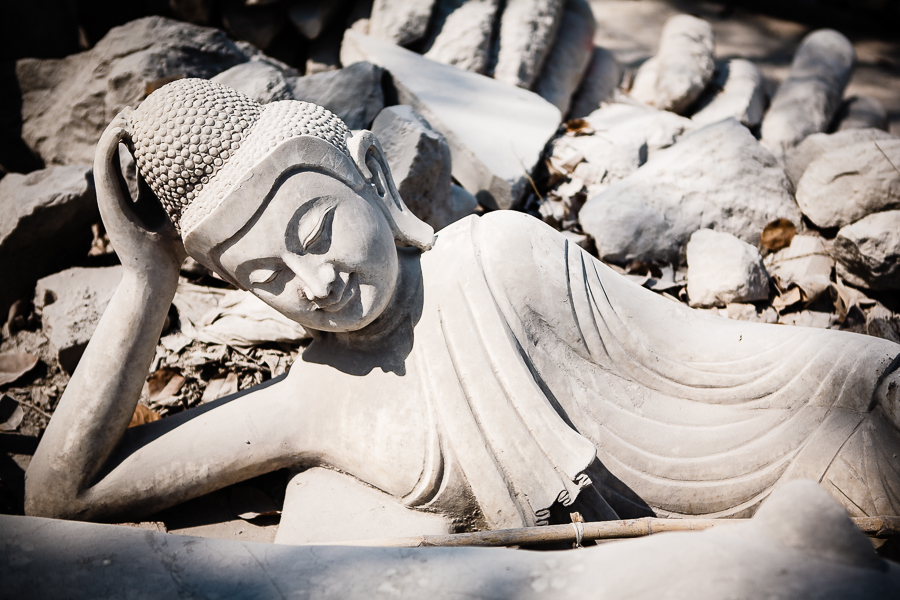
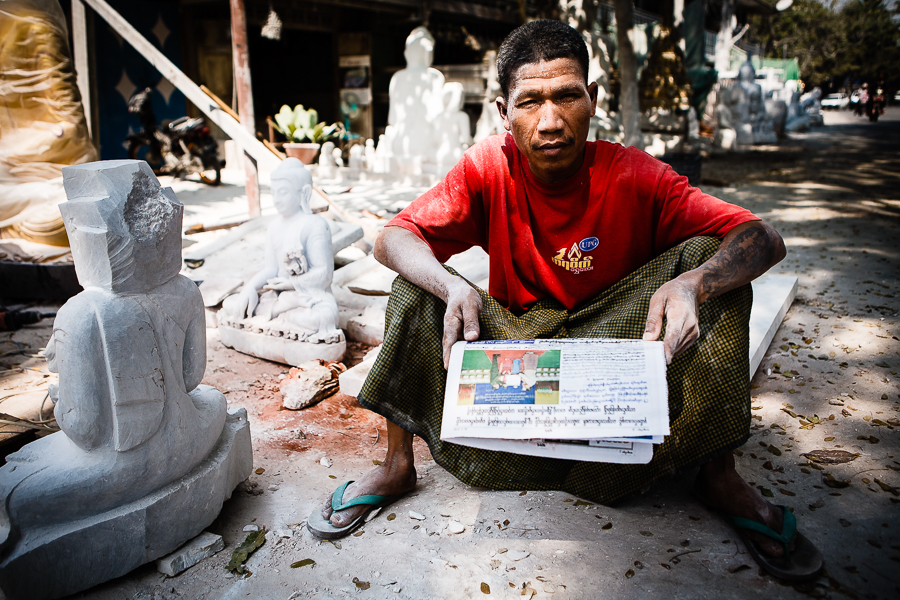
Wandering around the southern part of Mandalay’s central grid, looking for a pagoda that I never found, I came across a row of workshops where buddha statues were being made. The air was thick with dust as workmen used circular saws to cut away extraneous rock and reveal the buddha figures hidden within. Women cleaned and polished and provided the finishing touches. Half-finished statues, their bodies perfectly crafted but their heads still unformed, clustered together in the morning sun. Others, victims of some error or flaw, lay abandoned amid piles of rubble. In other workshops, craftsmen busied themselves with making gold-plated ornaments, such as the conical htis that sit on top of Burmese pagodas.




 Without an H