Gold

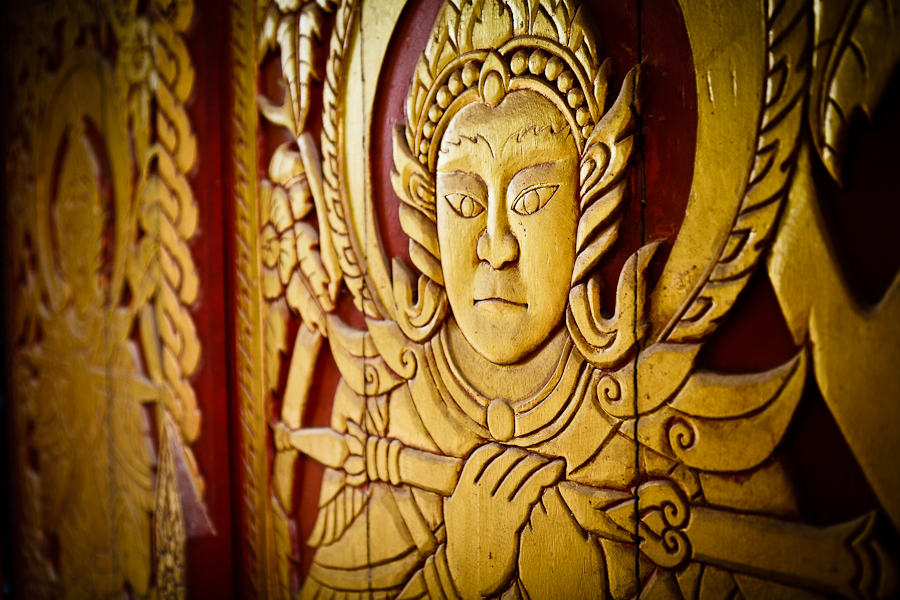
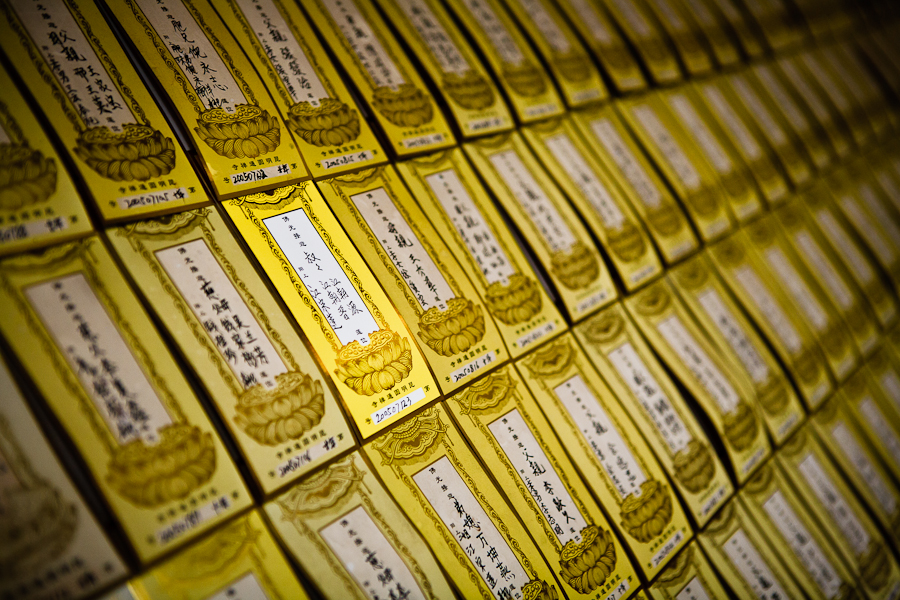
Details from some of the many temples in Luang Prabang.

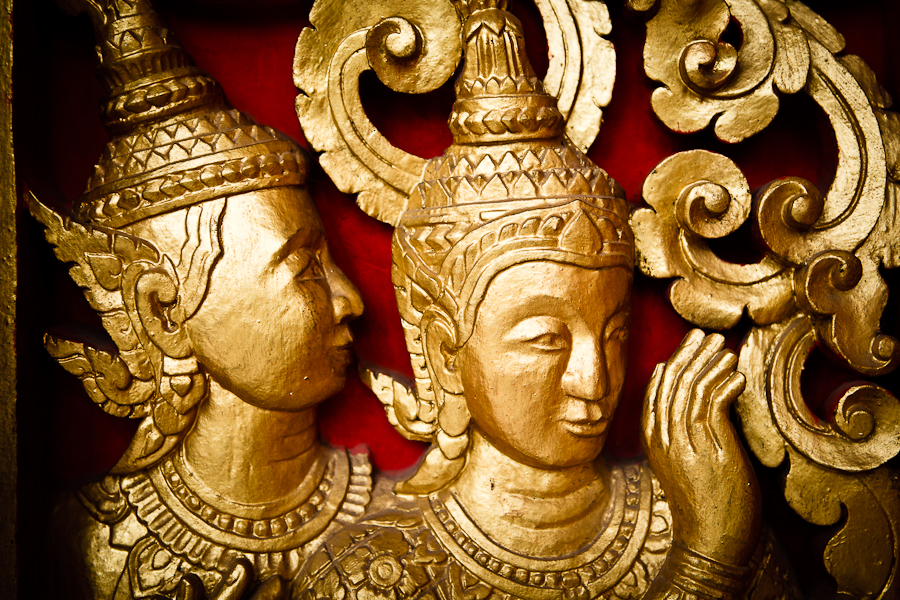
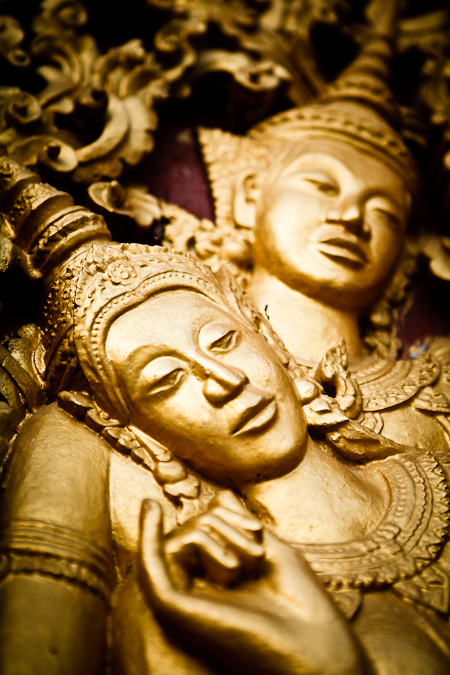

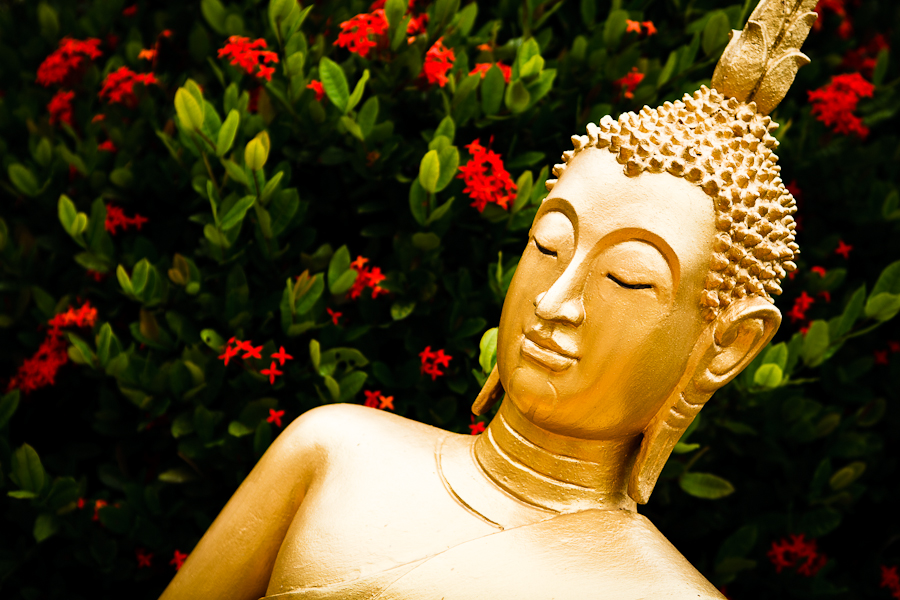
Details from some of the many temples in Luang Prabang.
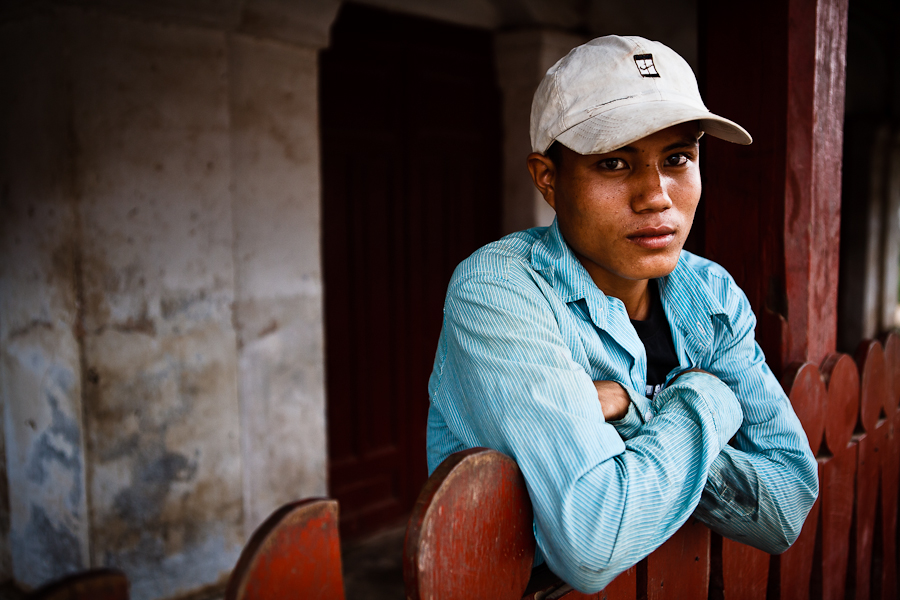
I wrote before about how the Xishuangbanna region in southernmost China felt a lot like Laos, but crossing the border into the actual Laos, you really notice a difference. On the Chinese side of the border, in Mohan, there’s austere concrete architecture and businesslike, though not unfriendly, customs officials. On the Lao side, in Boten, there’s a small shed, probably built as a temporary measure five years ago, occupied by portly, vaguely-uniformed middle-aged men, whose long lunch break is occasionally interrupted by the stamping of passports. It’s a nice introduction to the country; nothing is rushed here, and there’s no standing on ceremony.
From the border, the bus took me south to Luang Namtha, capital of the province of the same name. The town had a sleepy, off-season feel to it, but was none the worse for that. I spent about a week in the town and surrounding area, walking, cycling, napping, taking photographs. No rushing.
This post is especially for my sister Kate, whose birthday it is today. Happy birthday, Kate.


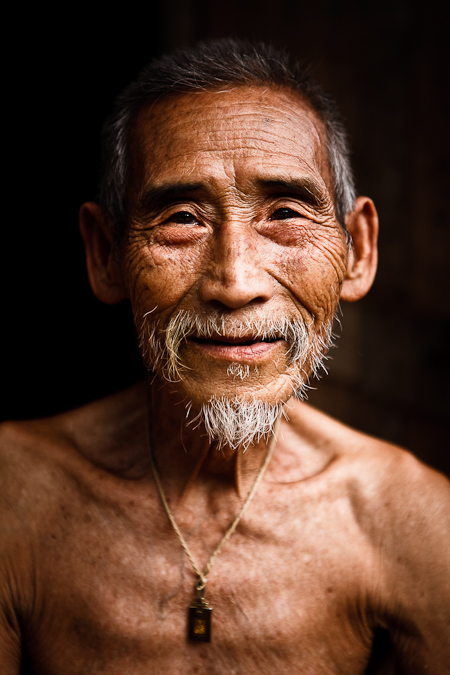
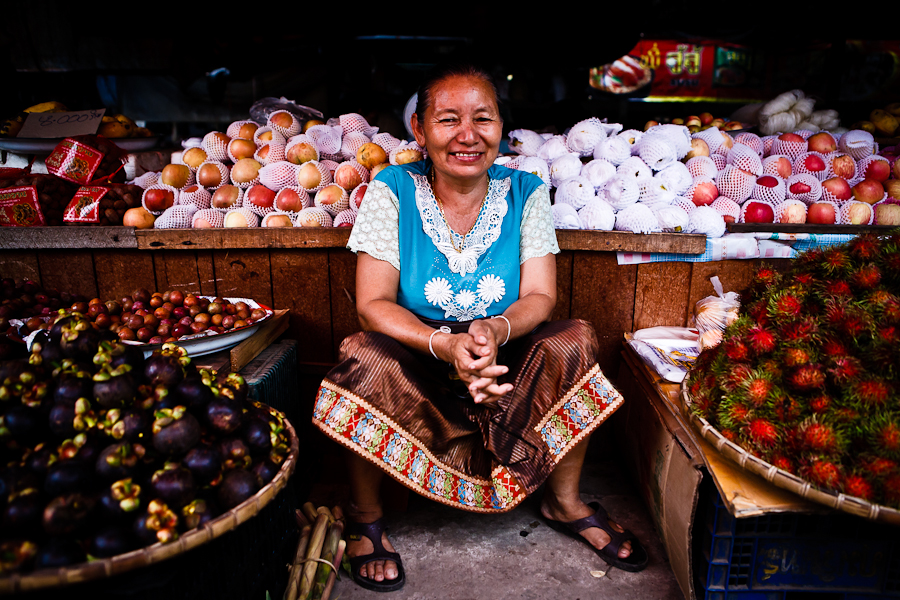
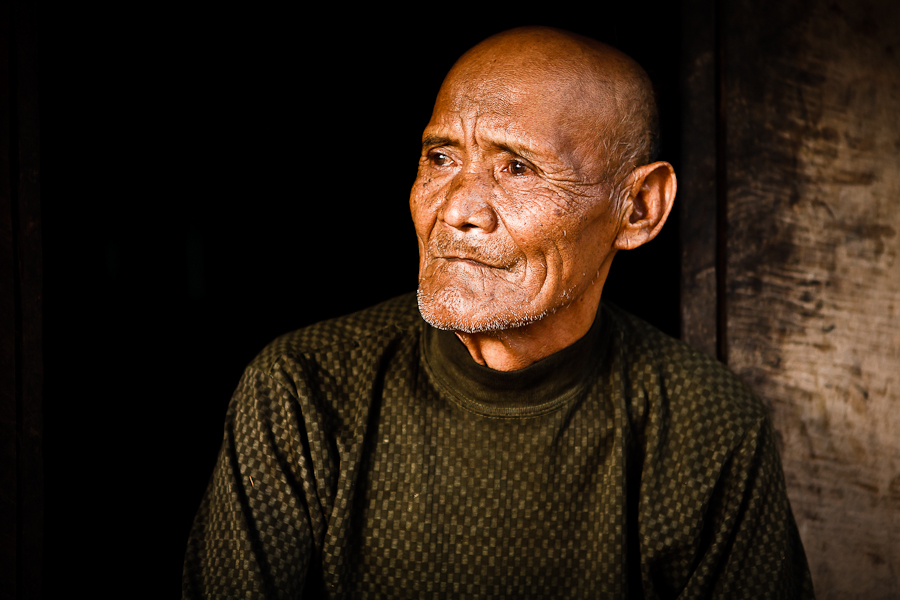


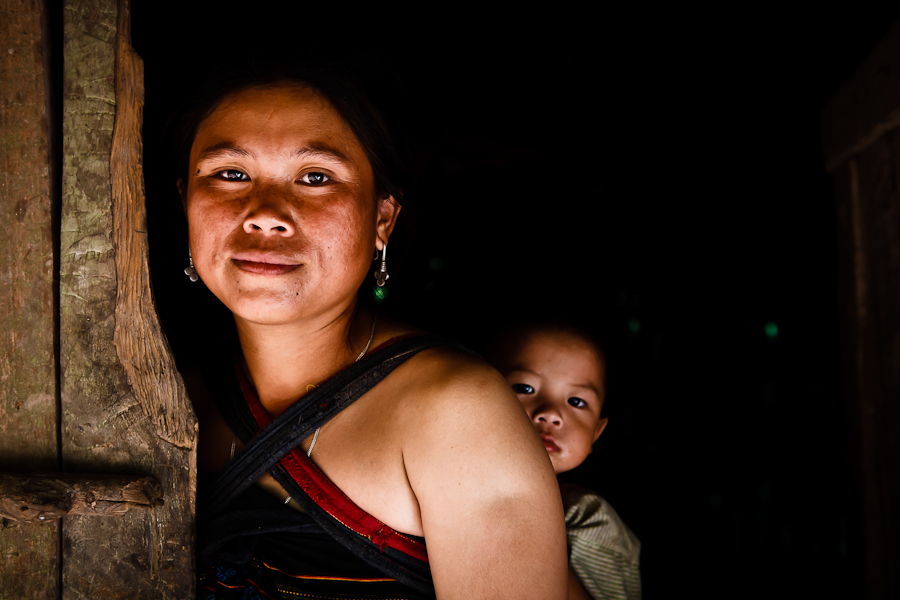
“To be lost in the forest, to be caught adrift…” (This Modern Love, Bloc Party)


Strange places, forests in Laos.

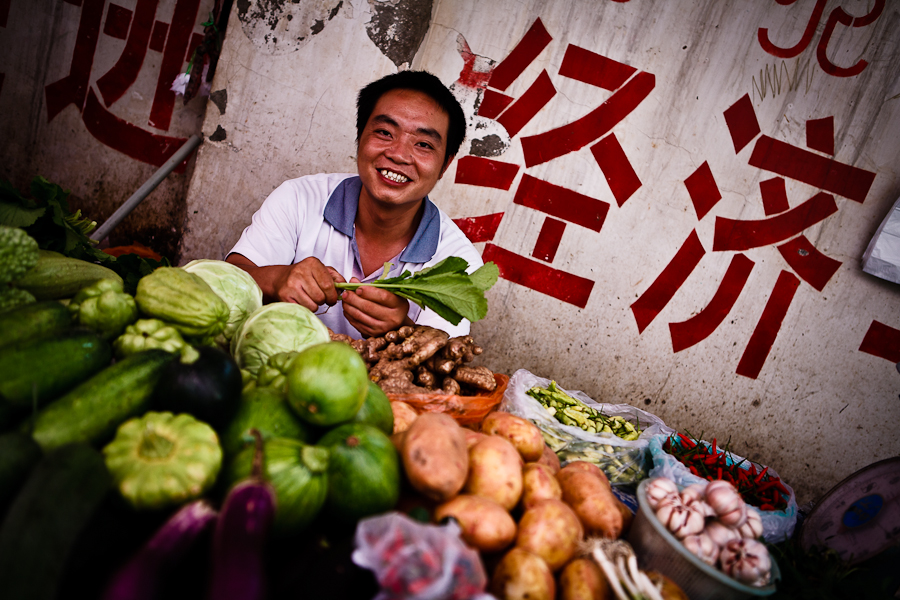
Xiding market, a couple of hours’ drive from Jinghong, near the border with Burma / Myanmar, early on a Thursday morning. It’s a family affair.
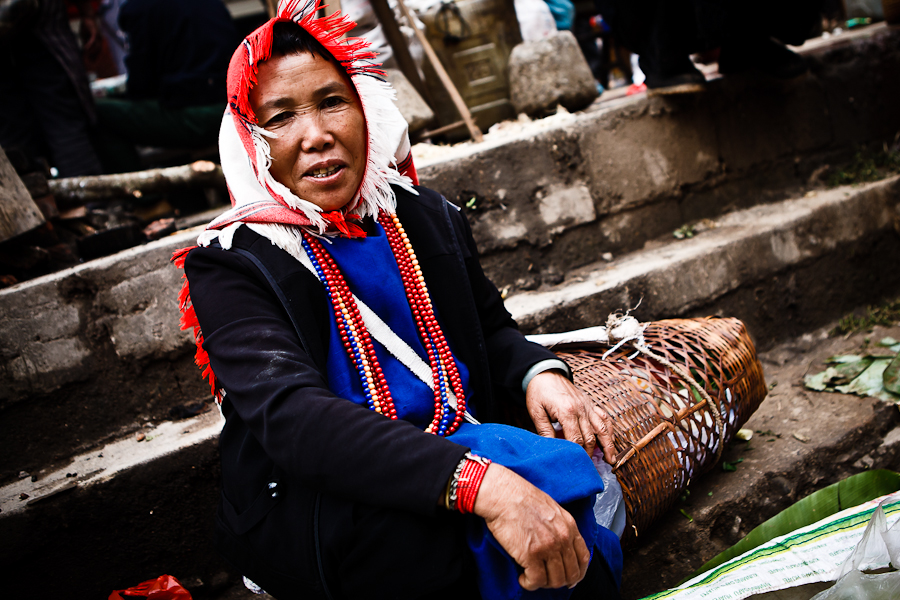
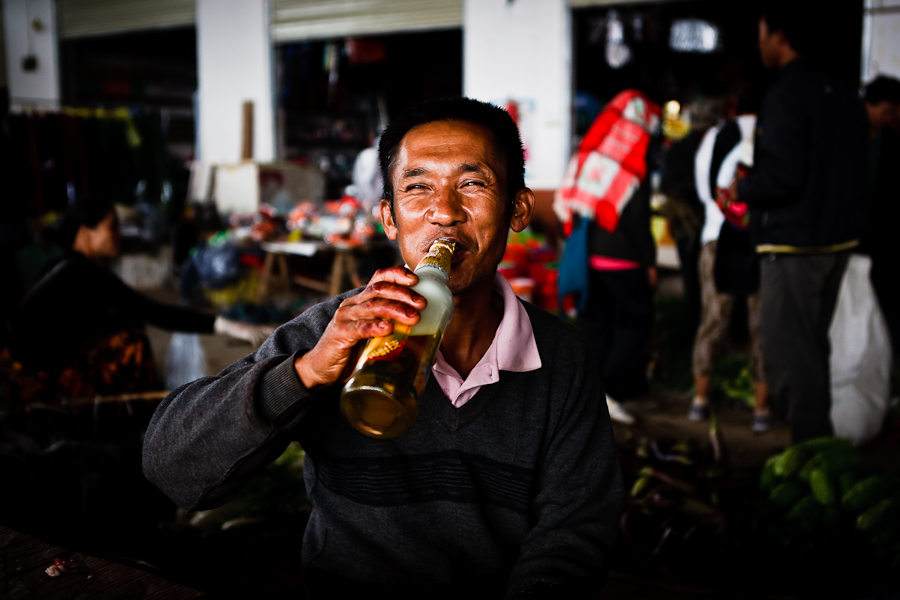
The women do the hard work, while the men concentrate on the serious business of early morning boozing.

I wish that I’d included the market trader’s hands in this shot, to give a sense of scale. These chillies were enormous.
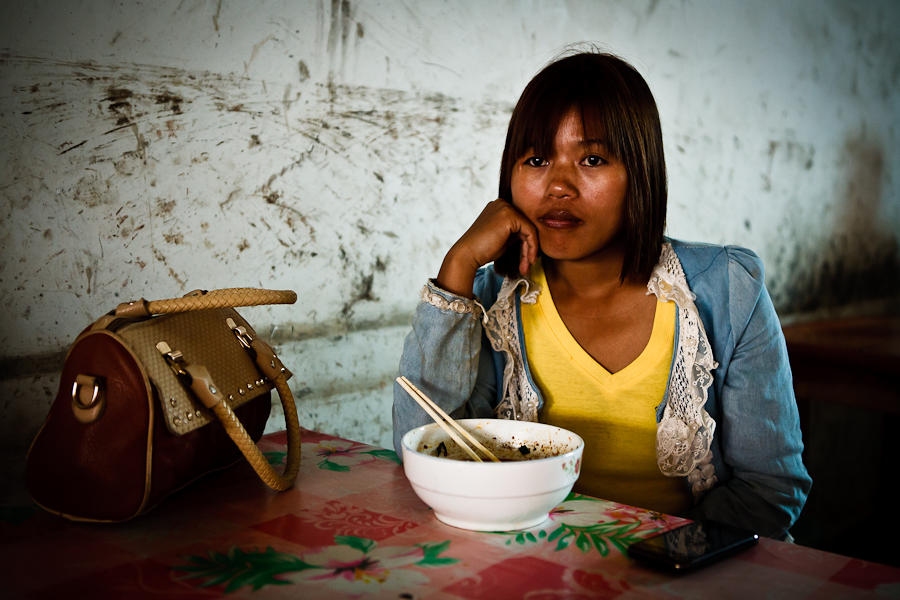

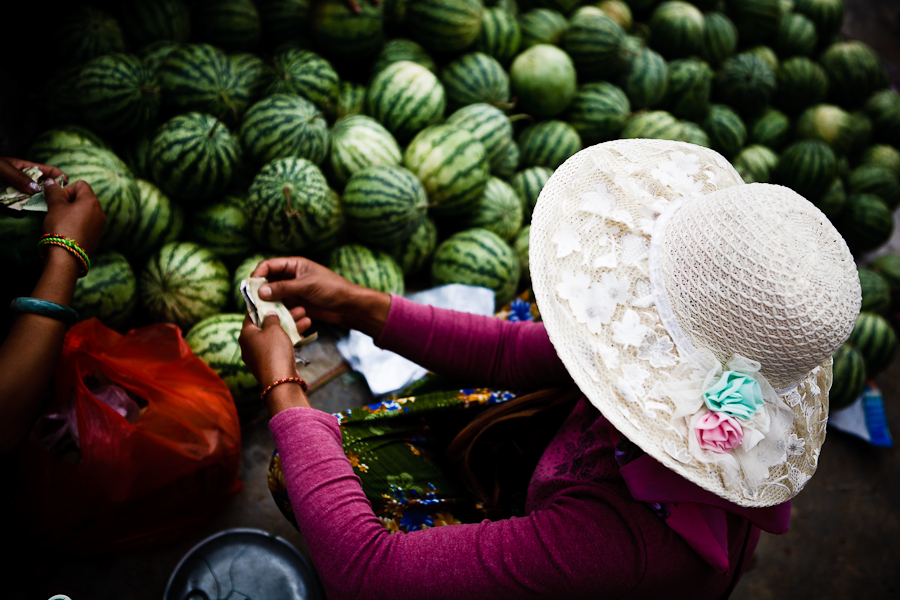
I’m too fashion-illiterate to know the name for these hats, but they’re a popular look among the market ladies of Xishuangbanna.


A couple more pictures from Xishuangbanna – looking down, and looking up.
Sometimes it seemed like China was disguising itself as other countries. Yuanyang reminded me of northern Vietnam, while in Xishuangbanna, it often seemed like I had already travelled into Laos. It’s border country. Jinghong, the region’s small main city, is only a few hours drive from both Laos and Burma. Thailand is not so far away either and exerts a strong cultural influence. Eating a Thai red curry and drinking a Beerlao on my second night in town, I had to remind myself what country I was in. It wasn’t the only time. Jinghong has a distinctly south-east Asian feel: the people are relaxed and friendly, the food is spicy, the temples wouldn’t be out of place in Luang Prabang, and elephant imagery is everywhere.
Jinghong is also where my Mekong journey really got started, as it’s where I joined the river, known in China as the Lancang. My friend Chris would argue that this is a pretty half-hearted Mekong trip, since I’m not travelling all the way down from the river’s source in Tibet in a canoe that I fashioned myself from bamboo and recycled plastic. But starting in Jinghong a) is easier and b) gives me the chance to spend plenty of time in the places where I stop, rather than rushing from one town to the next. I was able to spend about a week in the border country of Xishuangbanna, without feeling rushed or hurried. As I say, very south-east Asian.
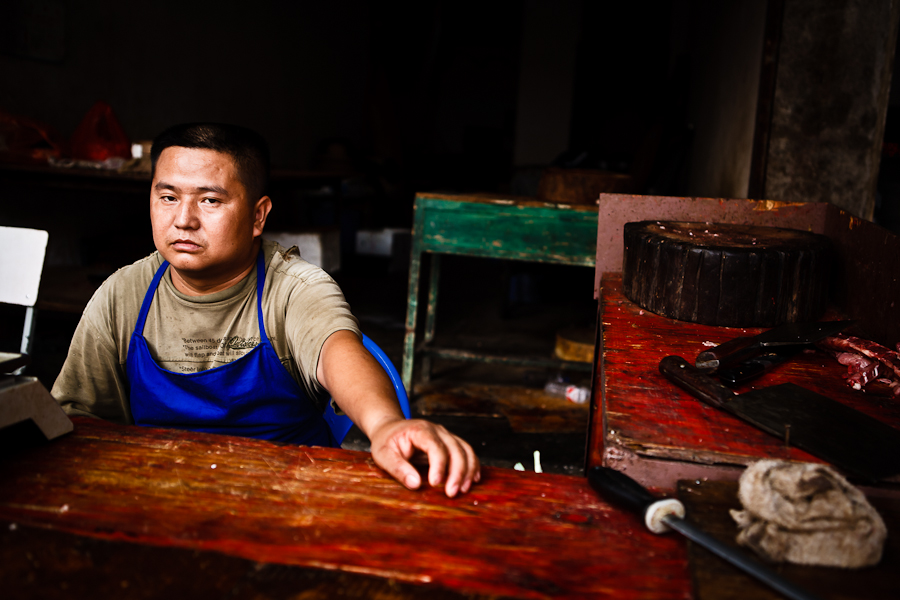
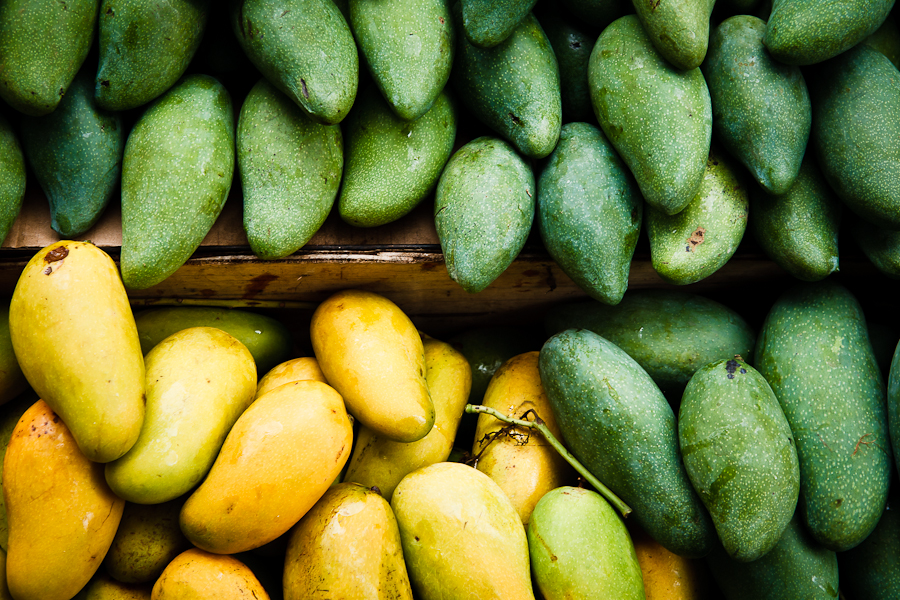
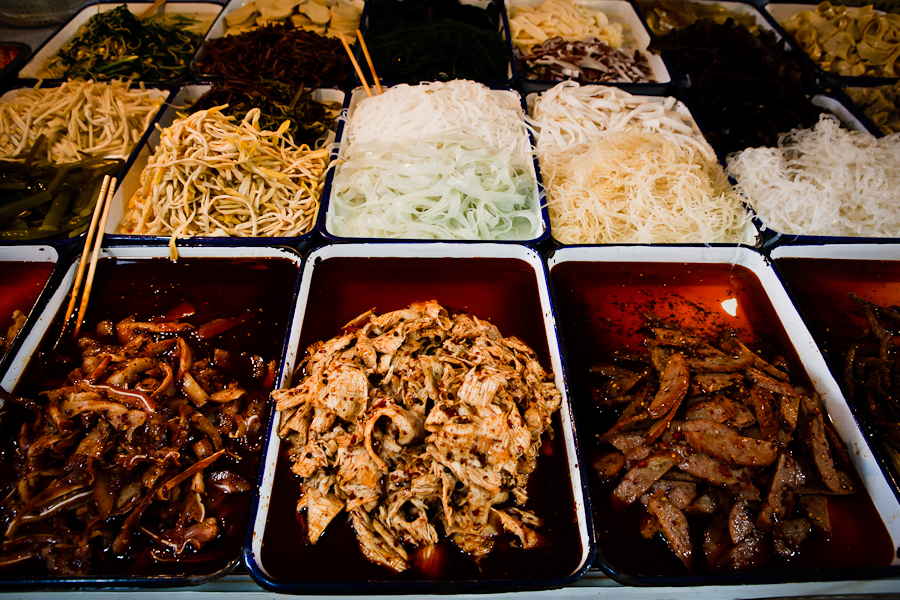
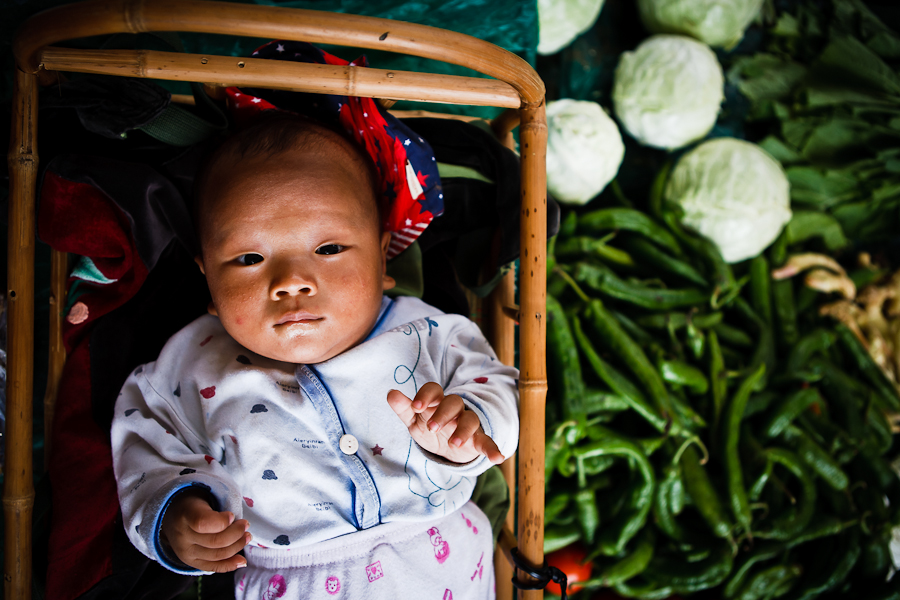
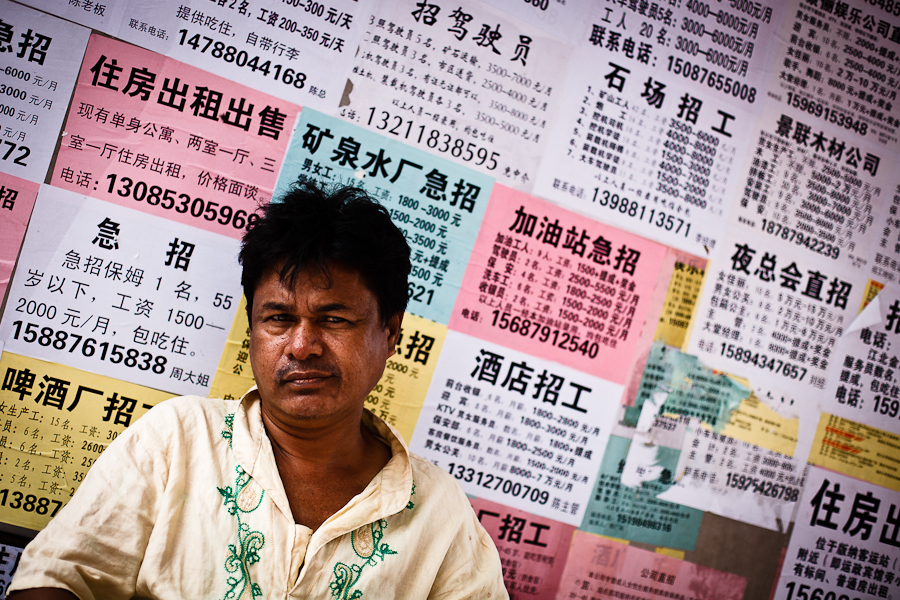
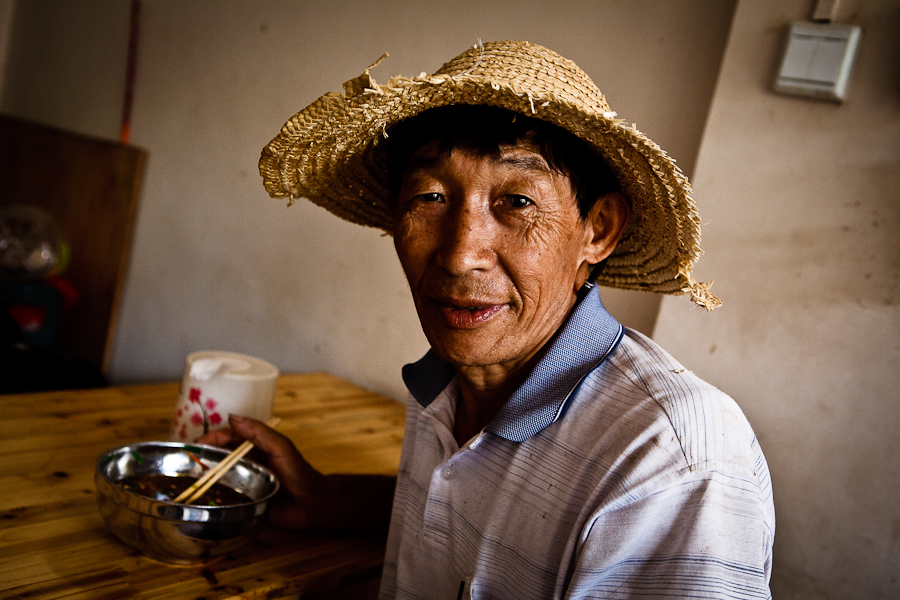
I spent a few days in Kunming, the capital of China’s Yunnan province, in May. It’s a pleasant, but not desperately interesting city. Looking back, there are a few things that stick in my mind: cool evening breezes; electric motorbikes gliding soundlessly round corners; overpasses, underpasses; shopping malls; the view of mountains behind the city’s modest skyscrapers on the drive in from the airport; more shopping malls; taxi drivers caged inside their cars; markets selling a hundred varieties of mushroom; and overall, a sense of stillness, order and calm, which I was surprised to find in a Chinese city. This is a slightly random selection of pictures of Kunming from the few days I spent there.
These China posts are actually being sent from Luang Namtha province in Laos, where I’ve been for the last week. I couldn’t access my blog in China as WordPress is blocked there, and I didn’t do anything clever with my laptop before leaving Vietnam. So the blog is lagging a little behind real life. For the next couple of months, I’ll be on my Big Mekong Trip, following the river, loosely, from southern China, through Laos and Cambodia, and finally into the Mekong delta in the south of Vietnam. Once the blog has caught up with where I actually am, you’ll be able to follow my progress here.


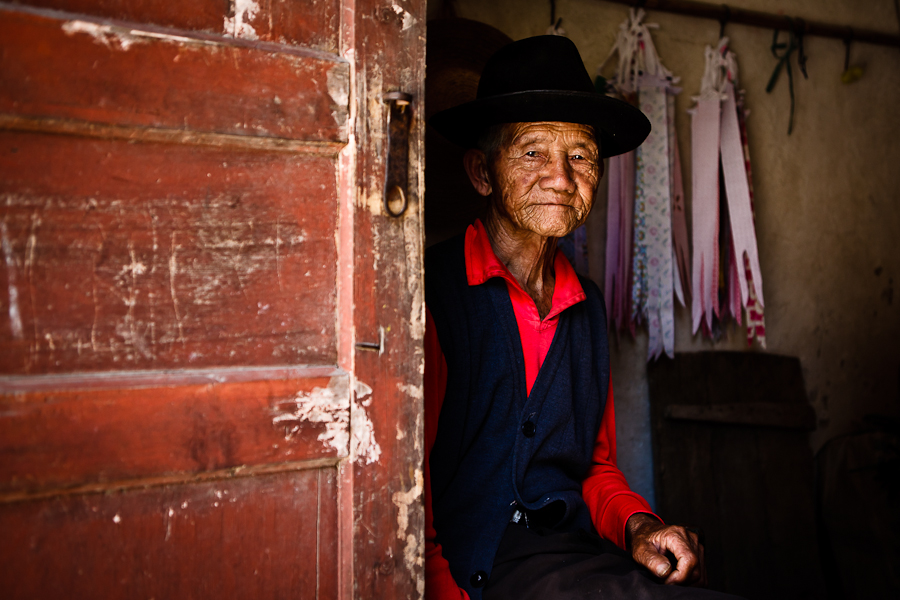
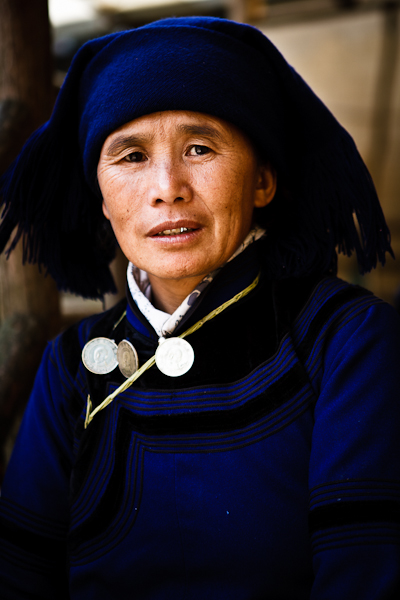
Yuanyang is best known for its landscape; the rice terraces attract legions of (mostly Chinese) tourists and photographers. It’s all very organized, with ticketed viewing stations for the best, or most popular, sunset and sunrise views. Some of the villages in the area are similarly contrived, newly built, or newly re-built, ‘heritage sites’ where women in ethnic garb wait to demand money from passing snappers. Like me, for instance. I’m not claiming to be above all the artifice, but I am aware of it, and it has an effect on my experience and perceptions. My landscape pictures aren’t any worse for being taken from a wooden platform, but I’d feel a little more smug about them if I’d taken them knee-deep in mud after a four-hour trek.
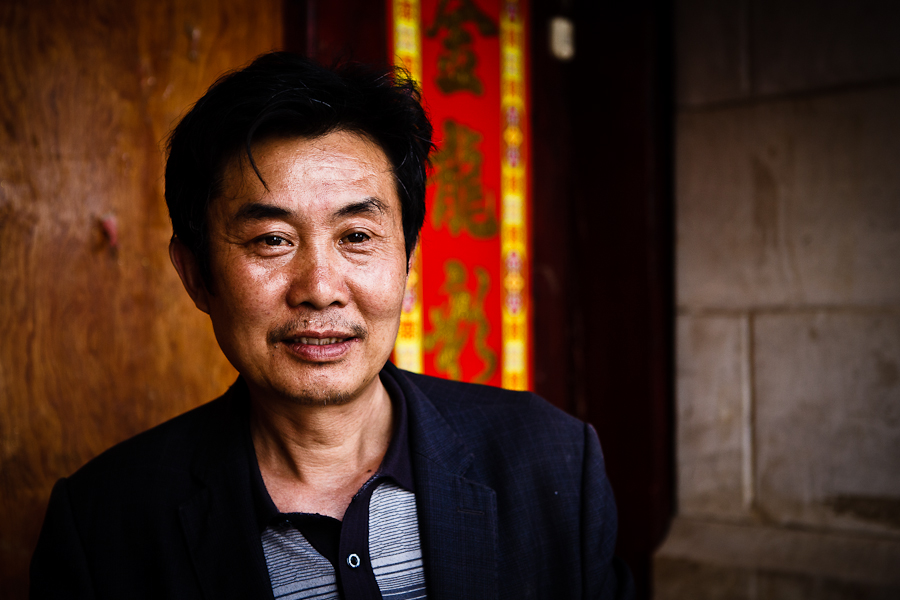
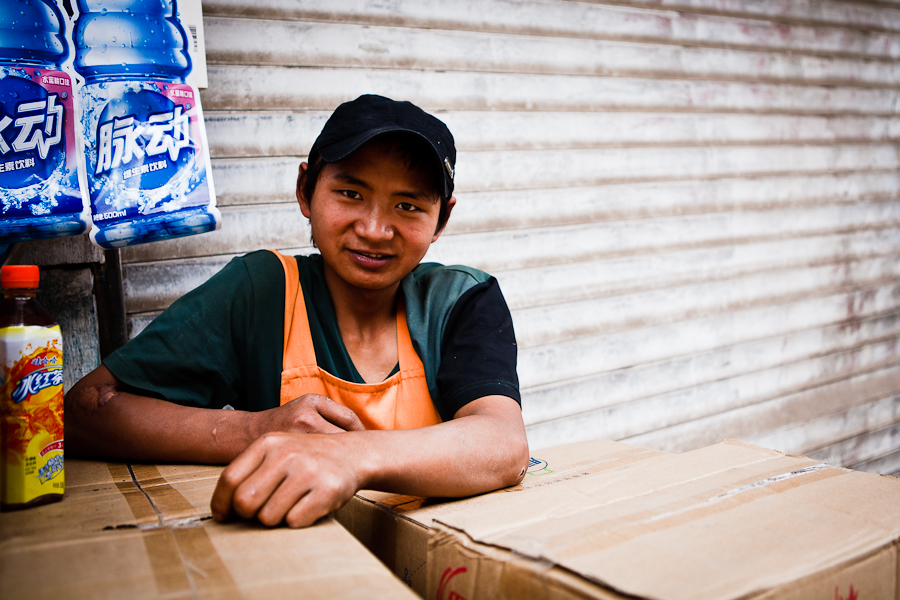
Some of my favourite portraits from Yuanyang were taken in the town of Luomadian. It’s not an especially picturesque place, nor is it particularly off the beaten track, but it seems to have been overlooked by the People’s Heritage Preservation Committee, and there were plenty of friendly people happy to indulge the tall, clumsy foreigner with his big camera, foolish smile and hopeless Chinese. While the landscape in Yuanyang is very similar to places I’ve visited in nearby northern Vietnam, the people I encountered in the town seemed to me to be very much Chinese, or at least Yunnanese, in style and character, and they lacked the resignation apparent in some of the people in the heritage villages.
I’m not on a quest for authenticity. I’ve little time for people who say, “I’m not a tourist, I’m a traveller.” But as a European in Asia, there are some things which make me feel uncomfortable, and I’m trying to acknowledge them here. Whether the existence of a certain amount of contrivance makes my photographs any better or worse is open to question. Some of the pictures in this post were taken in unassuming Luomadian, some were taken in a heritage village. Can you tell the difference? Does it matter?




I’m not a natural landscape photographer. I don’t have the patience, or the penchant for early mornings. Or a tripod. But Yuanyang, near the Vietnamese border in the far south of China, has some wonderful landscapes which it would be rude not to take pictures of. I even got up at dawn to take the one above.

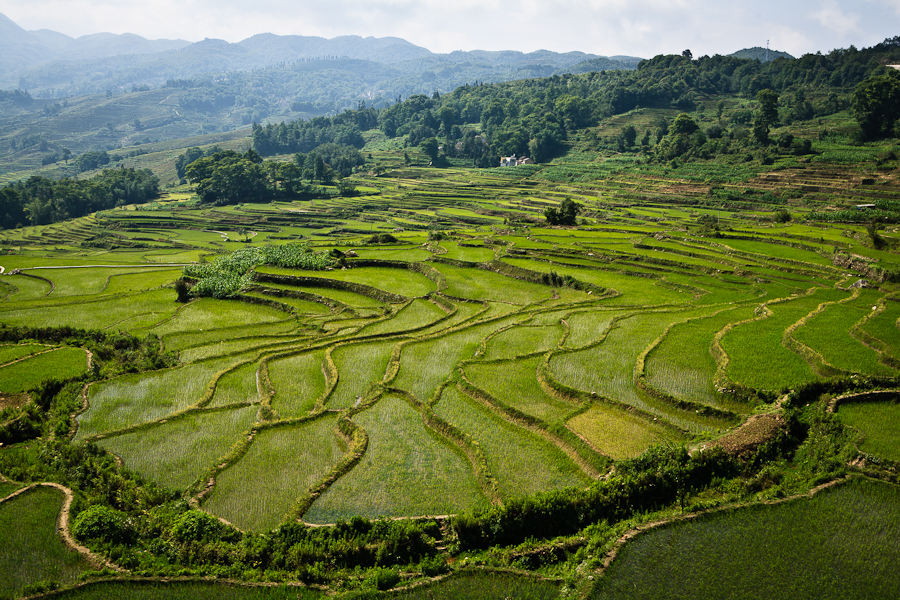
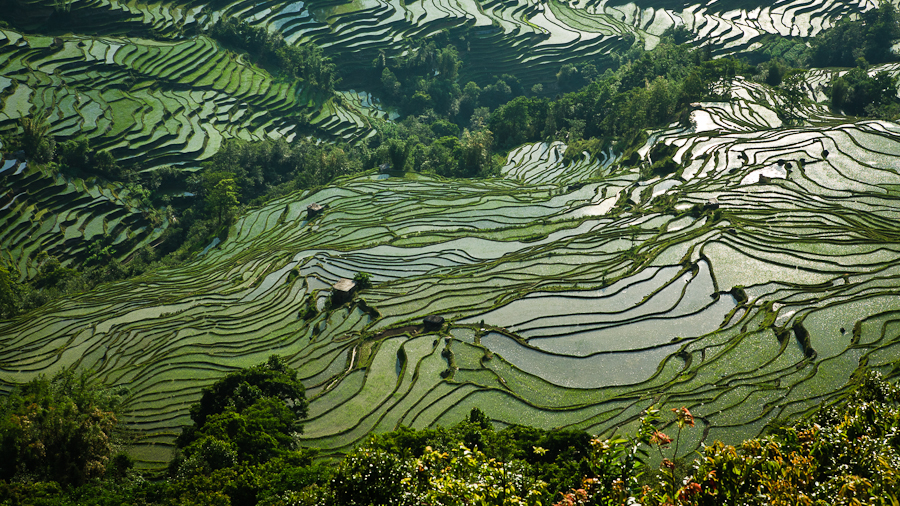

Even when I’m trying to take landscape pictures, I can’t resist including people.

 Without an H