That faded colonial look
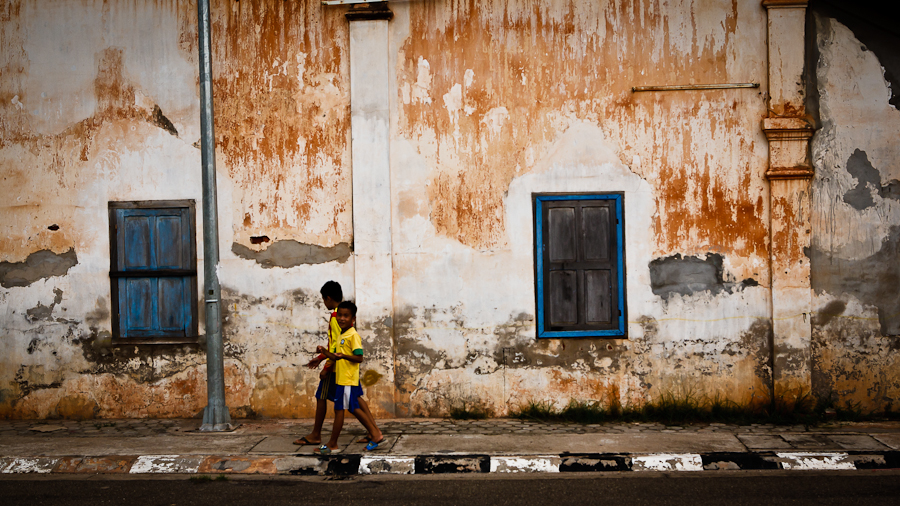
It’s hard to write about Savannakhet without using phrases like faded colonial charm and elegantly crumbling. It’s a quiet, sleepy riverside town, and I spent an enjoyable few days there doing not very much.
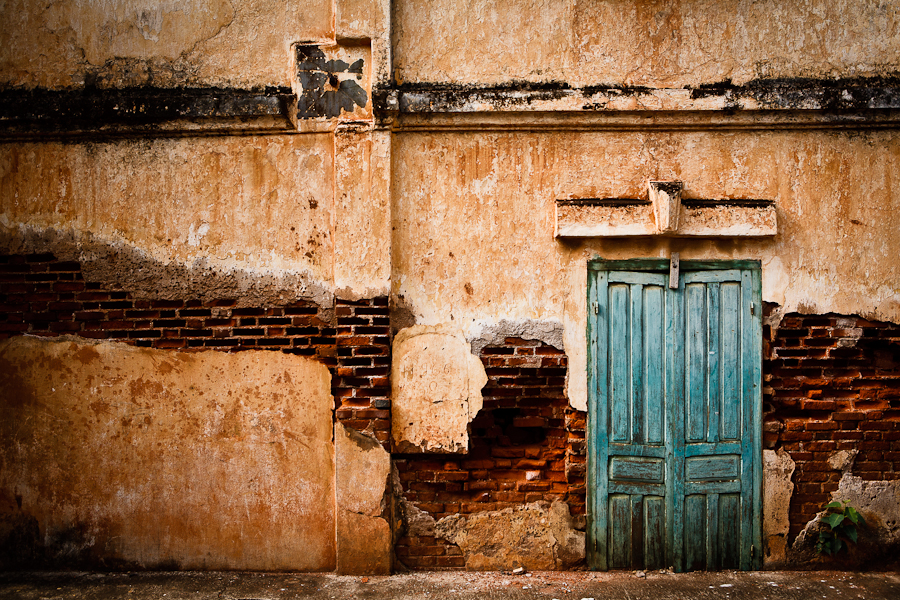


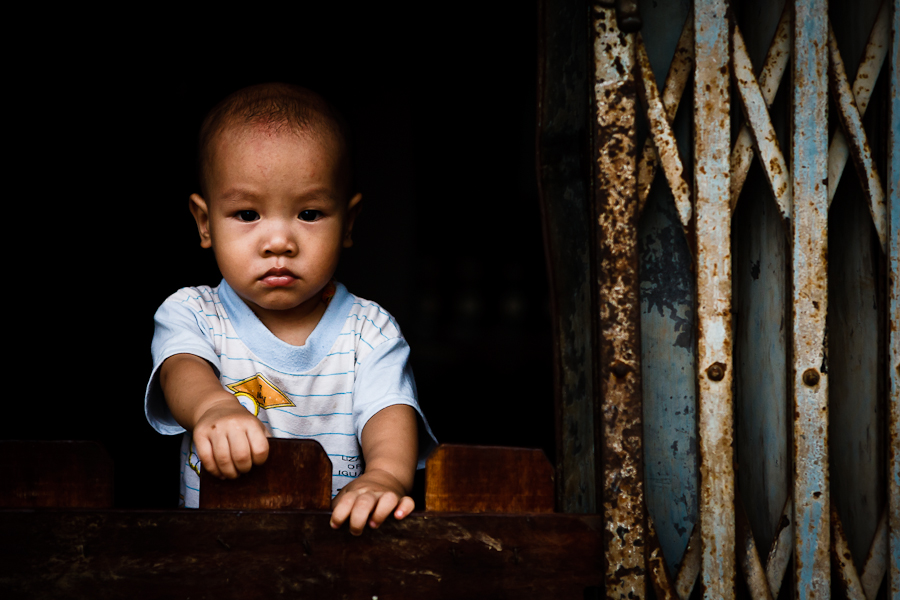


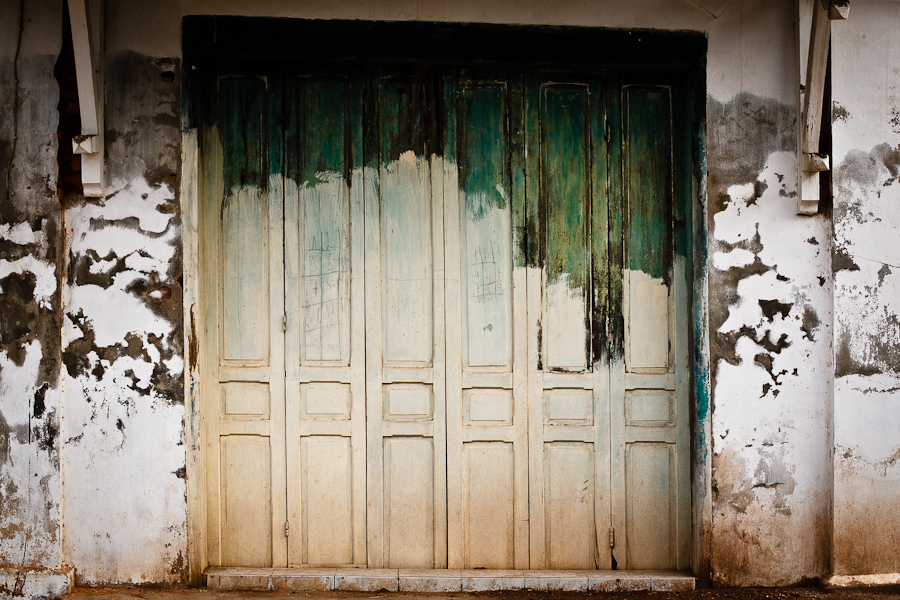


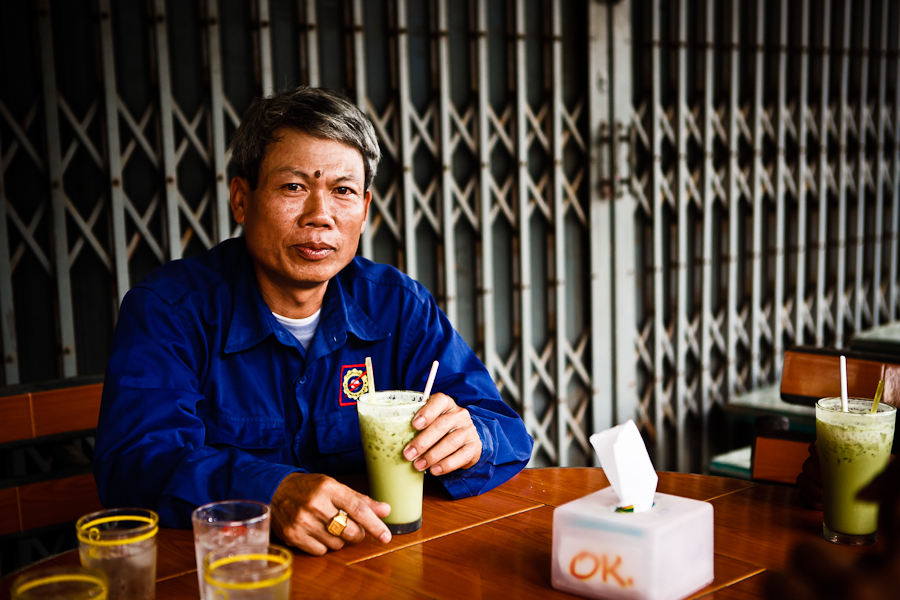

It’s hard to write about Savannakhet without using phrases like faded colonial charm and elegantly crumbling. It’s a quiet, sleepy riverside town, and I spent an enjoyable few days there doing not very much.
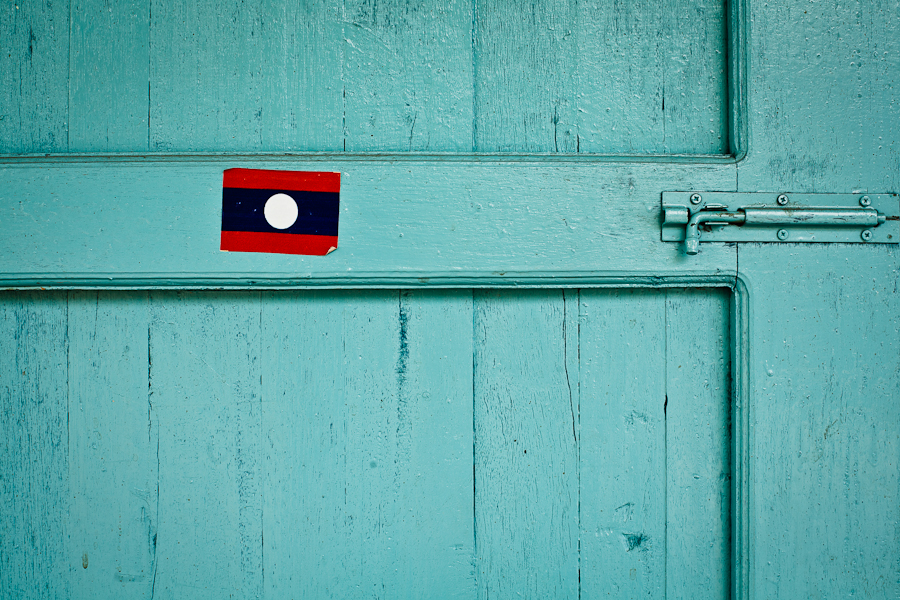
Low-key patriotism in Laos.

I thought it was about time I posted a picture of the sunset over the Mekong. This was taken in Savannakhet in southern Laos, looking over the river at Thailand.

I knew that travelling in south-east Asia in the wet season would be awkward at times, and that was certainly the case for the few days I spent in and around Vientiane. The capital city of Laos, not the most picturesque place to begin with, wasn’t done any favours by the rain. It wasn’t even dramatic-tropical-downpour rain, but persistent-drizzle-under-grey-skies rain, the kind of rain I left England to get away from.
Vientiane looks and feels very different to other places in northern Laos. The French influence is much more apparent, in the street names, food, architecture and general ambience. It hardly rivals Paris or London as one of the great capitals of the world, but it’s still a city, albeit a small, low-key one, and that makes it distinctly different to Luang Prabang or Luang Namtha.
Above and below are views of and from Patuxai, Vientiane’s Arc de Triomphe.

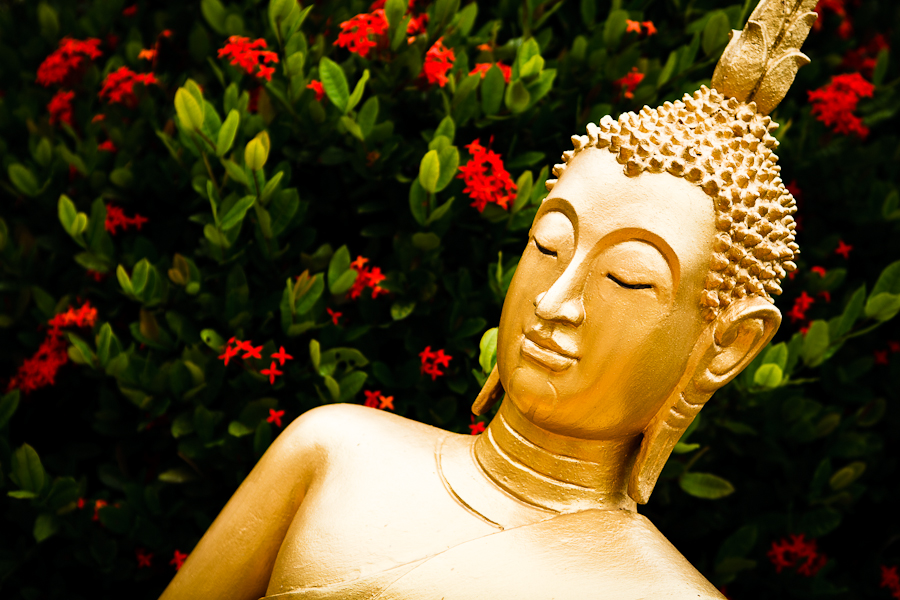
Wat Sisaket is home to hundreds of buddhas, big and small.


Khou Din market seems to have escaped the mallification, if that’s a word, which has made nearby Talat Sao market not very interesting.


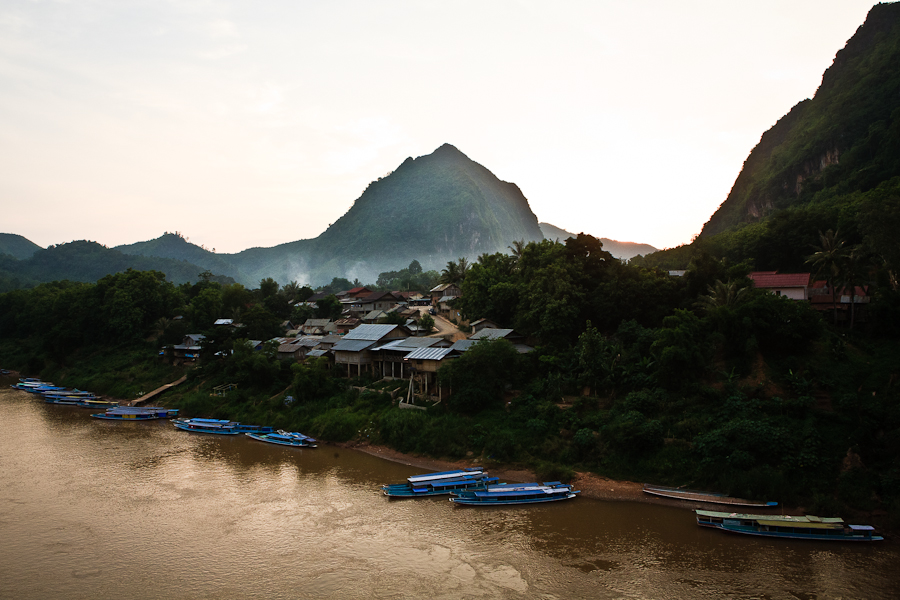
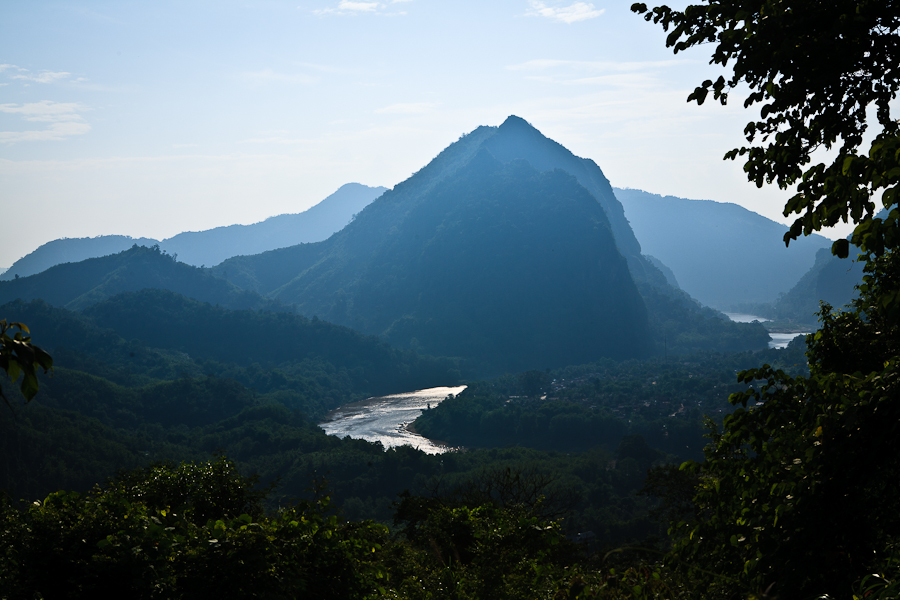
Nong Khiaw, in Luang Prabang province in northern Laos, is the kind of place that adjectives like breathtaking and stunning were invented for. A bumpy three hour bus ride from Luang Prabang town, the village is on the banks of the River Ou, surrounded by towering (there’s another one) limestone karsts. My landscape pictures don’t begin to do it justice, as I wasn’t organised enough to be in the right place at the right time, but that gives me the perfect excuse to go back another time.


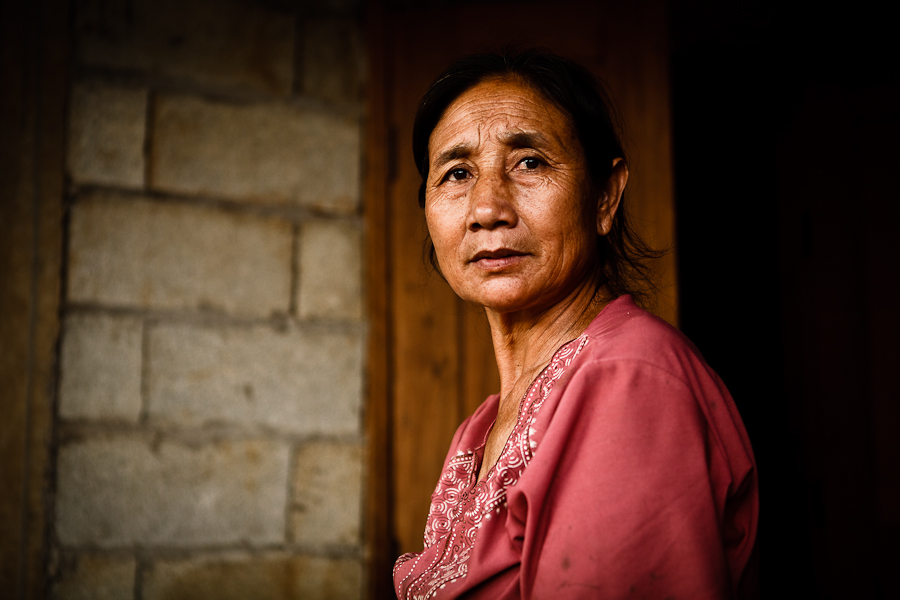

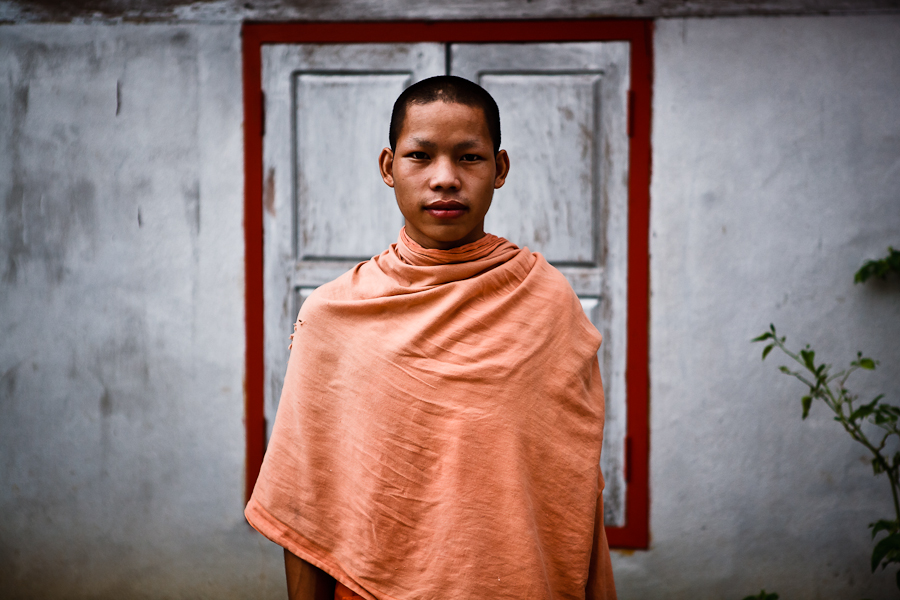
I don’t know what exactly makes Buddhist monks such compelling subjects for portrait photographs. I think maybe it’s something to do with how their shaved heads seem like an attempt to deny them their individuality, but their orange robes demand that you look at them.

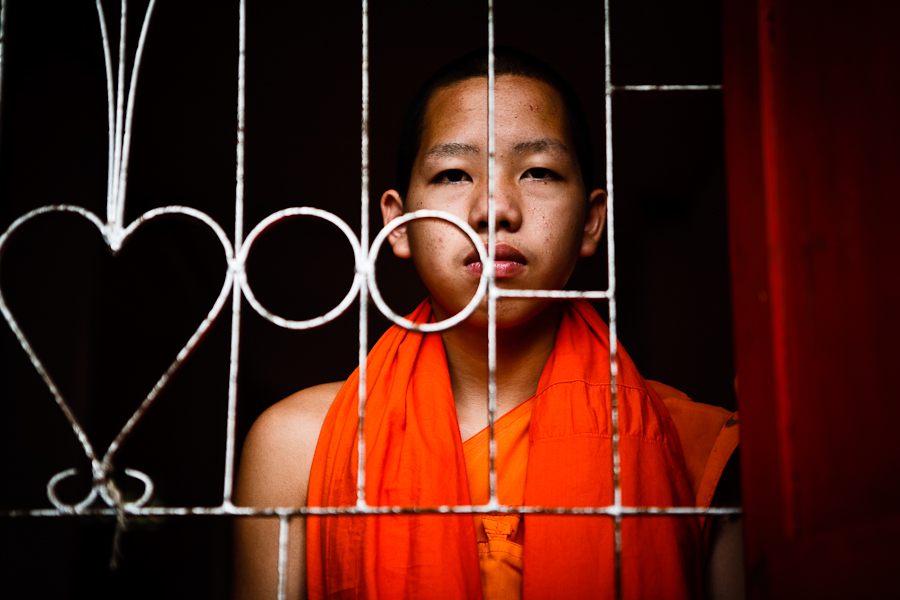


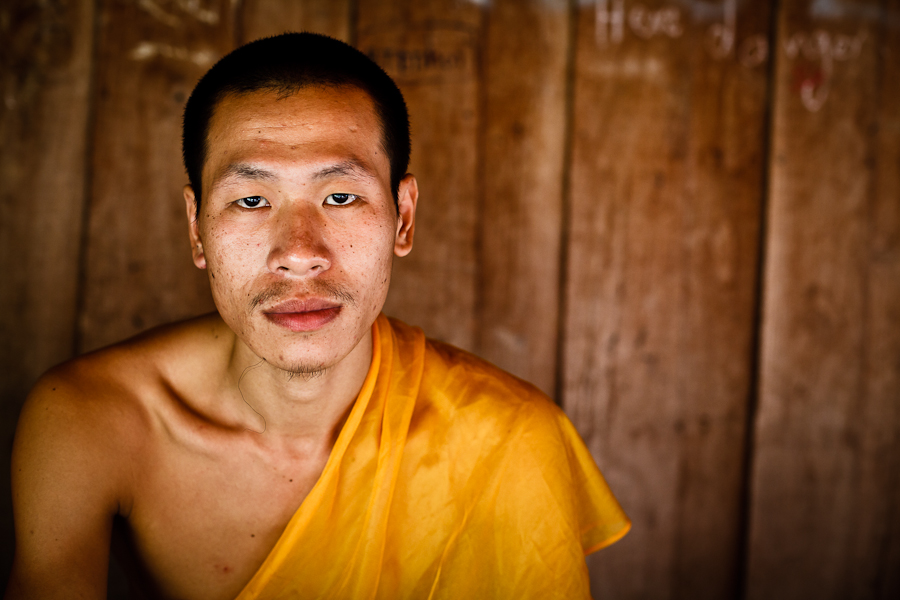
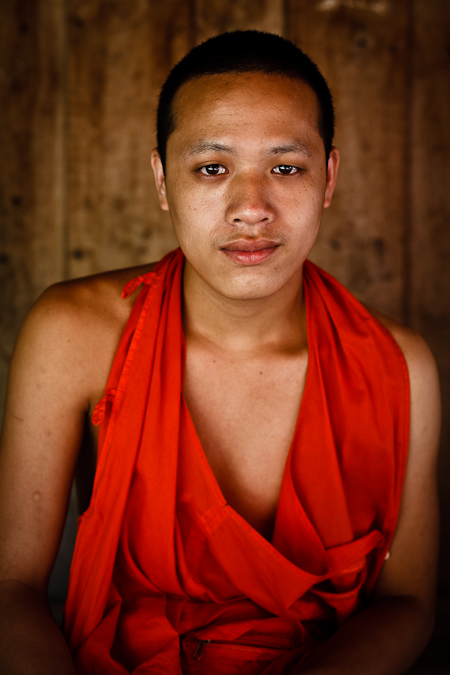

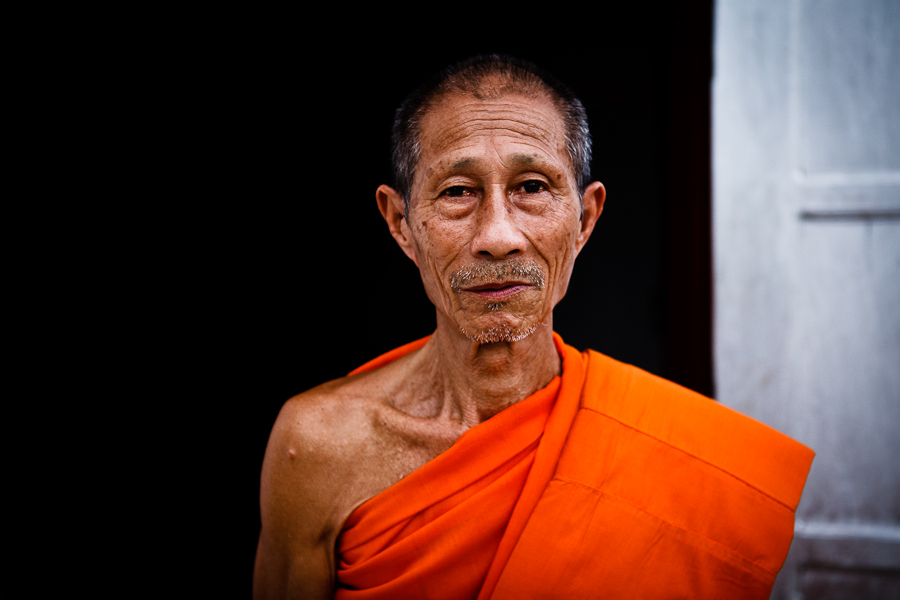
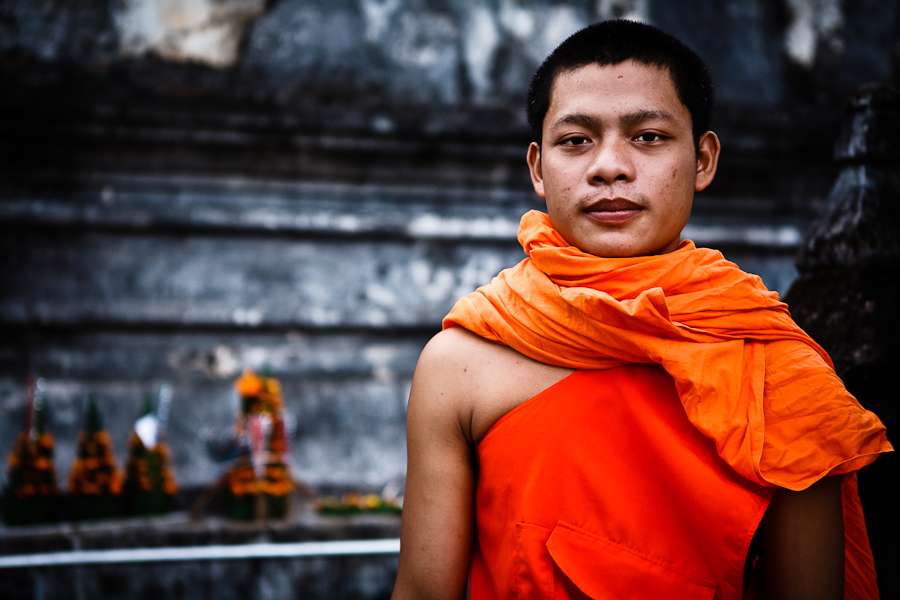

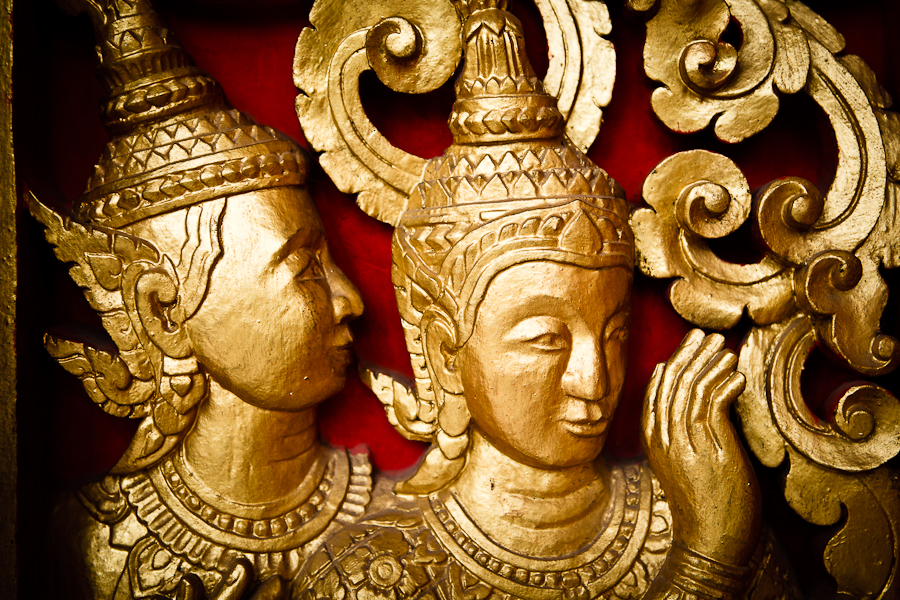
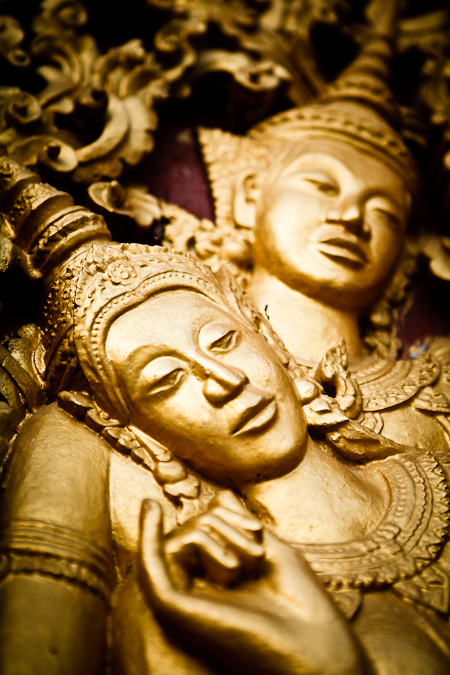
Details from some of the many temples in Luang Prabang.


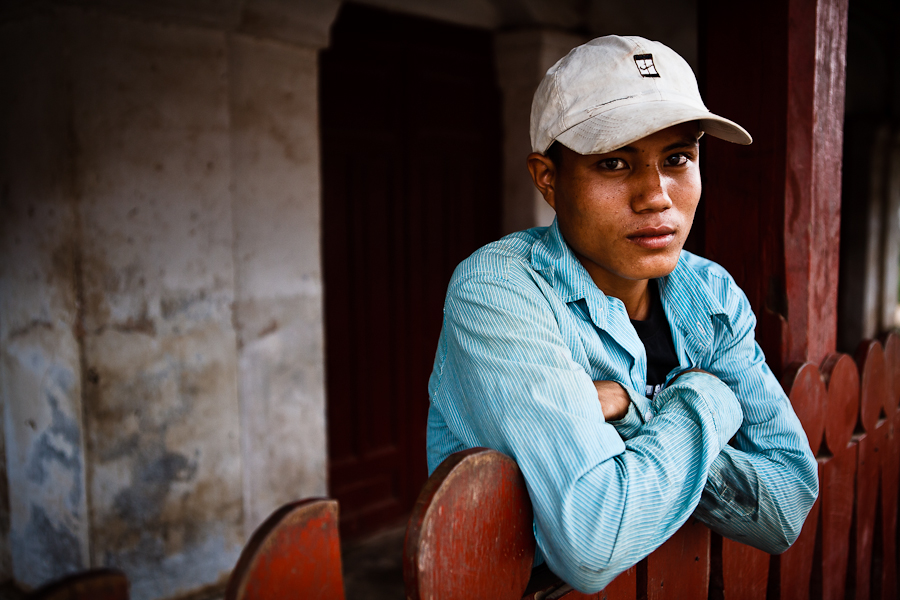
I wrote before about how the Xishuangbanna region in southernmost China felt a lot like Laos, but crossing the border into the actual Laos, you really notice a difference. On the Chinese side of the border, in Mohan, there’s austere concrete architecture and businesslike, though not unfriendly, customs officials. On the Lao side, in Boten, there’s a small shed, probably built as a temporary measure five years ago, occupied by portly, vaguely-uniformed middle-aged men, whose long lunch break is occasionally interrupted by the stamping of passports. It’s a nice introduction to the country; nothing is rushed here, and there’s no standing on ceremony.
From the border, the bus took me south to Luang Namtha, capital of the province of the same name. The town had a sleepy, off-season feel to it, but was none the worse for that. I spent about a week in the town and surrounding area, walking, cycling, napping, taking photographs. No rushing.
This post is especially for my sister Kate, whose birthday it is today. Happy birthday, Kate.




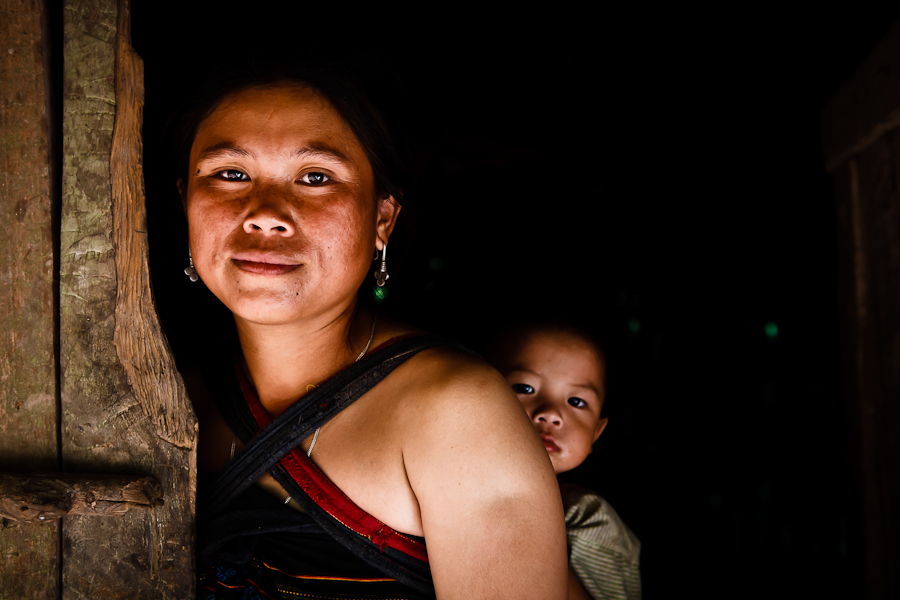
“To be lost in the forest, to be caught adrift…” (This Modern Love, Bloc Party)
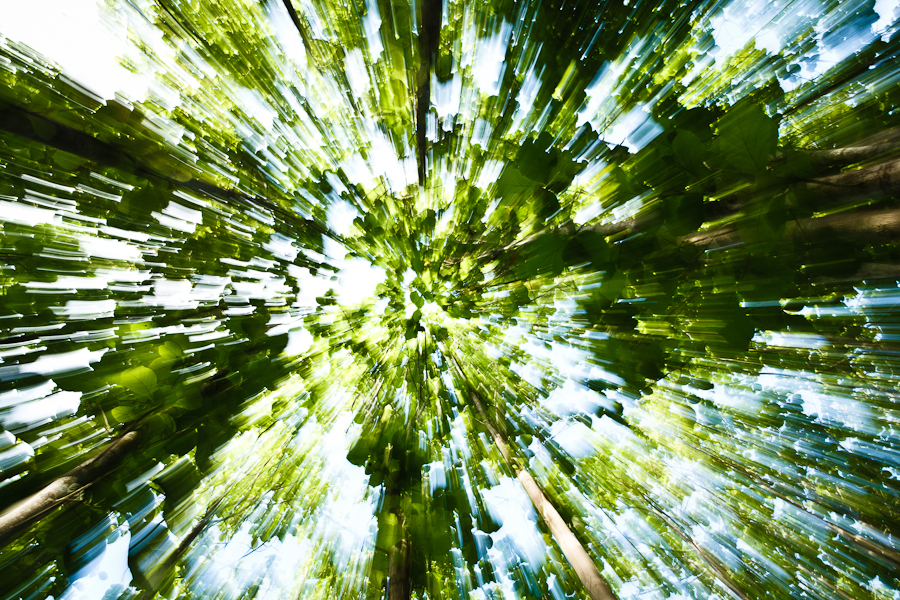

Strange places, forests in Laos.
 Without an H