Yuanyang portraits
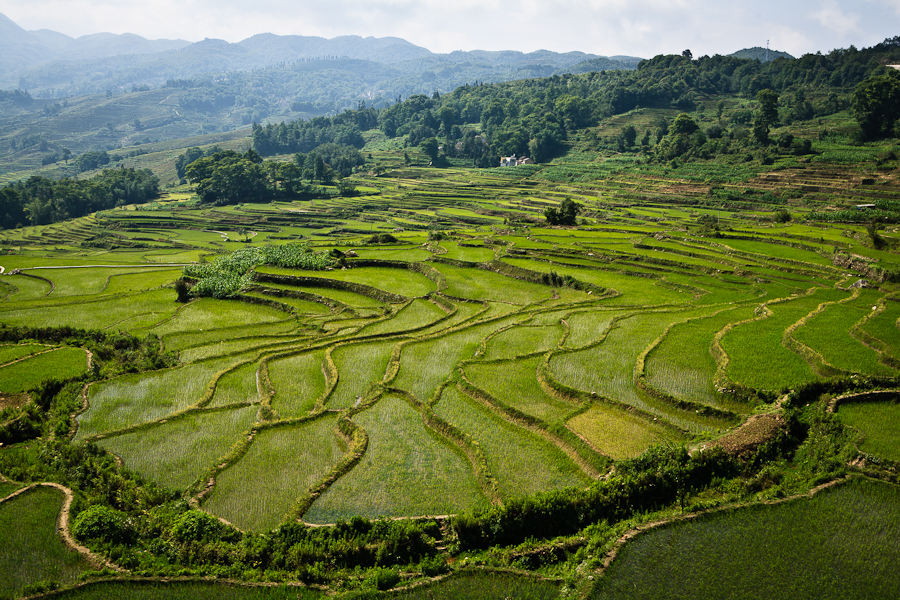
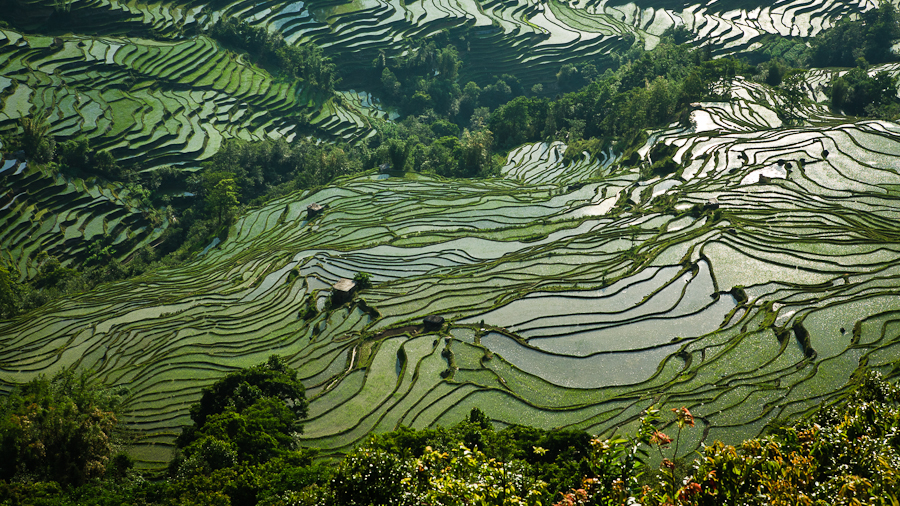
Yuanyang is best known for its landscape; the rice terraces attract legions of (mostly Chinese) tourists and photographers. It’s all very organized, with ticketed viewing stations for the best, or most popular, sunset and sunrise views. Some of the villages in the area are similarly contrived, newly built, or newly re-built, ‘heritage sites’ where women in ethnic garb wait to demand money from passing snappers. Like me, for instance. I’m not claiming to be above all the artifice, but I am aware of it, and it has an effect on my experience and perceptions. My landscape pictures aren’t any worse for being taken from a wooden platform, but I’d feel a little more smug about them if I’d taken them knee-deep in mud after a four-hour trek.
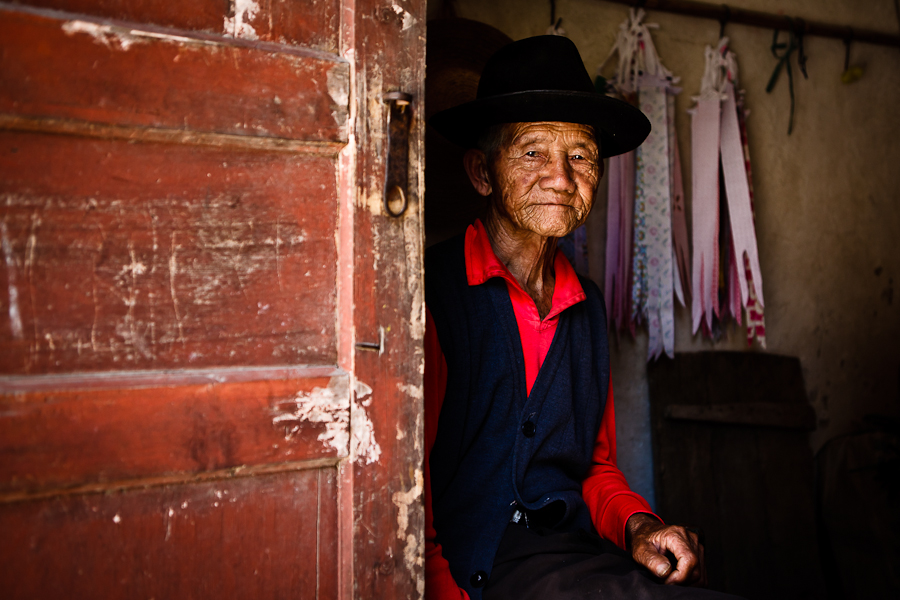
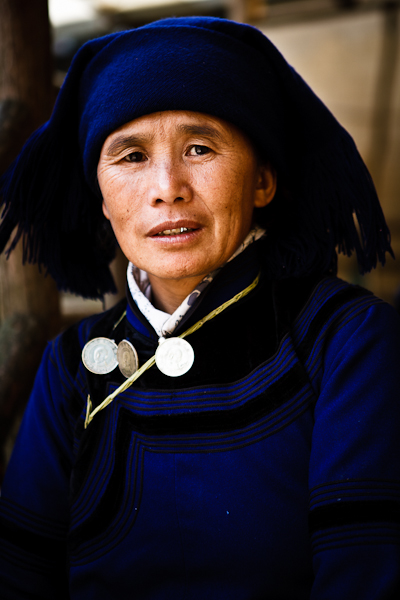
Some of my favourite portraits from Yuanyang were taken in the town of Luomadian. It’s not an especially picturesque place, nor is it particularly off the beaten track, but it seems to have been overlooked by the People’s Heritage Preservation Committee, and there were plenty of friendly people happy to indulge the tall, clumsy foreigner with his big camera, foolish smile and hopeless Chinese. While the landscape in Yuanyang is very similar to places I’ve visited in nearby northern Vietnam, the people I encountered in the town seemed to me to be very much Chinese, or at least Yunnanese, in style and character, and they lacked the resignation apparent in some of the people in the heritage villages.
I’m not on a quest for authenticity. I’ve little time for people who say, “I’m not a tourist, I’m a traveller.” But as a European in Asia, there are some things which make me feel uncomfortable, and I’m trying to acknowledge them here. Whether the existence of a certain amount of contrivance makes my photographs any better or worse is open to question. Some of the pictures in this post were taken in unassuming Luomadian, some were taken in a heritage village. Can you tell the difference? Does it matter?






 Without an H